- New

SOLD OUT
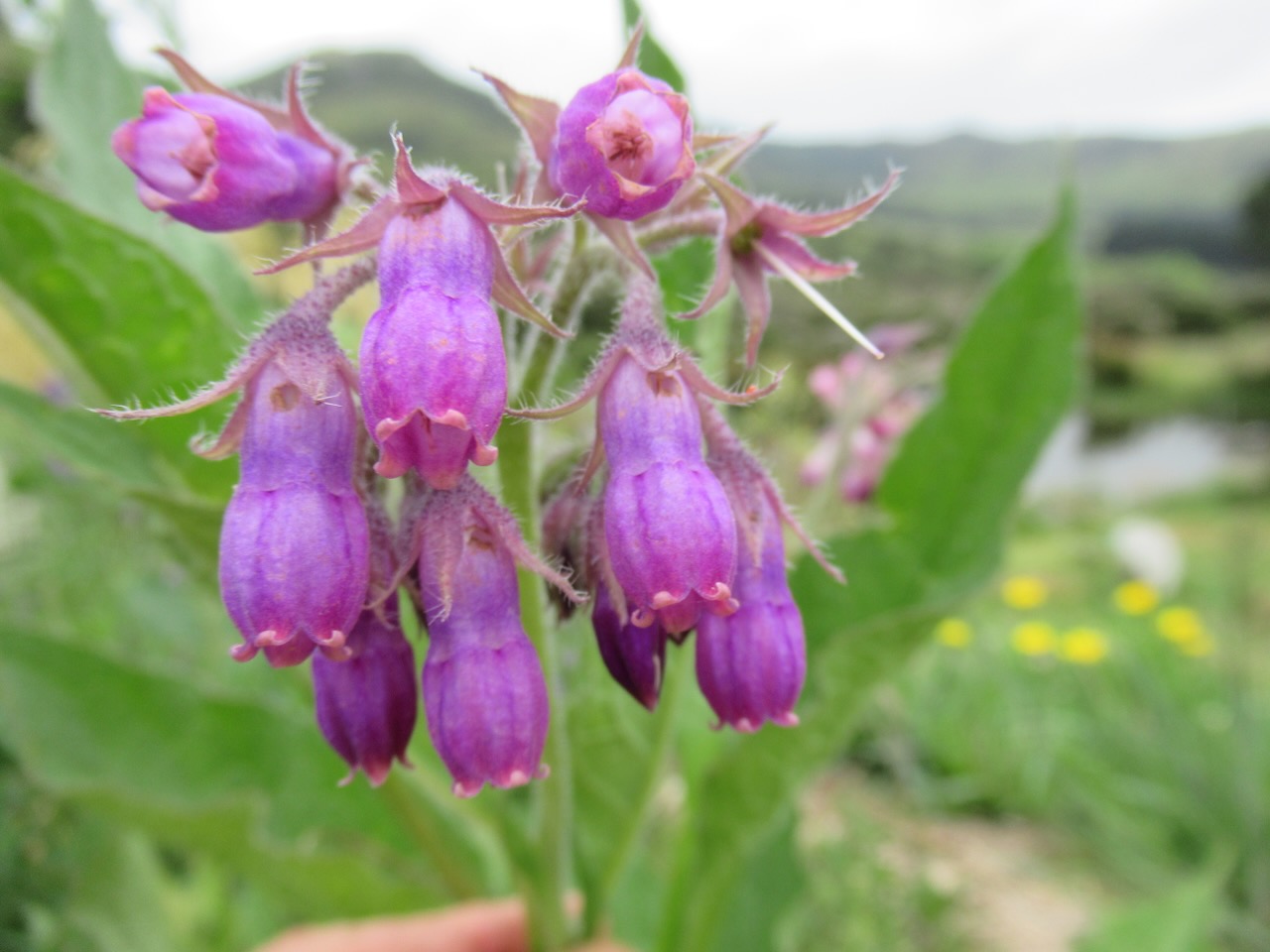
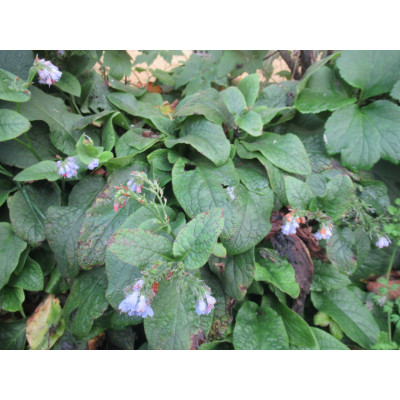
Medicinal Comfrey (Symphytum officinale)
Family: Boraginaceae
Common names: Comfrey, Common Comfrey, Knitbone
Medicinal Comfrey is a deep-rooted, hardy perennial herb renowned for its powerful healing properties and exceptional ability to build soil fertility. Traditionally known as “knitbone,” it has long been used to support tissue repair, bruising, sprains, and wound healing. Fast-growing and highly productive, Comfrey is an invaluable medicinal herb as well as a nutrient-rich mulch plant for the garden.
Below you’ll find growing instructions, medicinal uses, and herbal preparation ideas.
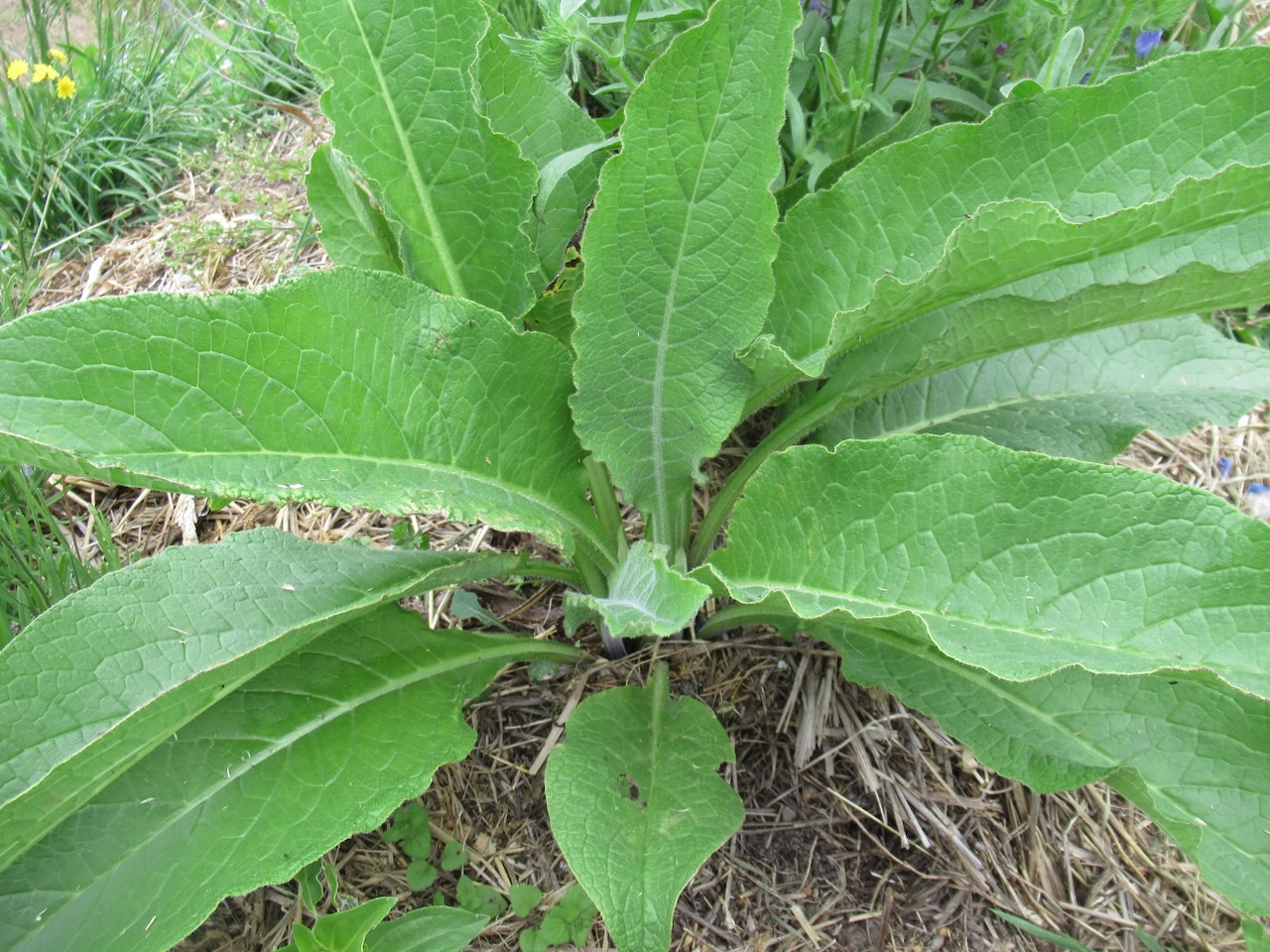
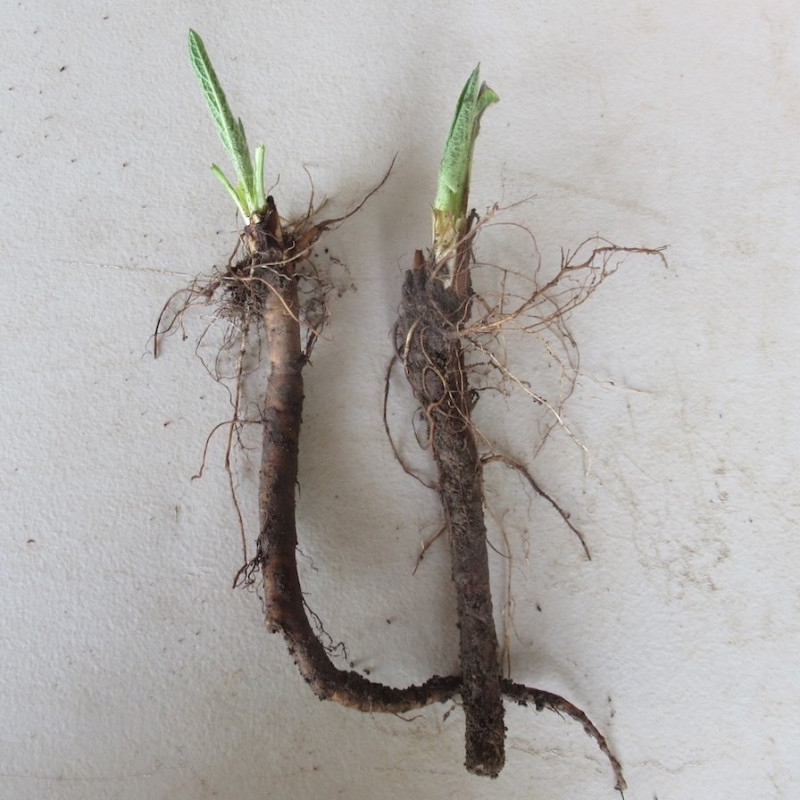
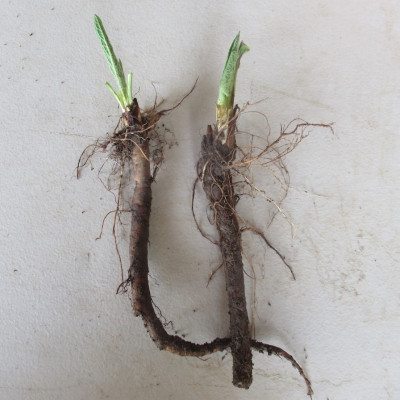
You will receive one dormant crown with a growing tip.
 Security policy
Secure credit card, bank transfer or POLi payment!
 Delivery policy
Proudly support NZ Post/CourierPost!
 Return policy
We exchange or refund if you are not happy!

Guarantee safe & secure checkout
Organically grown at KoruKai Herb Farm, New Zealand, without the use of pesticides, herbicides, or other agrochemicals.
This type of comfrey is the true, wild comfrey, best suited for medicinal purposes. It can spread by seeds, so removing the flower stalk on a regular basis is advised. We have grown it for 3 years now and it has not spread since we cut off the flower stalk before it sets seeds.
Please see our Russian Comfrey and Dwarf Comfrey (below) for varieties that do not spread.
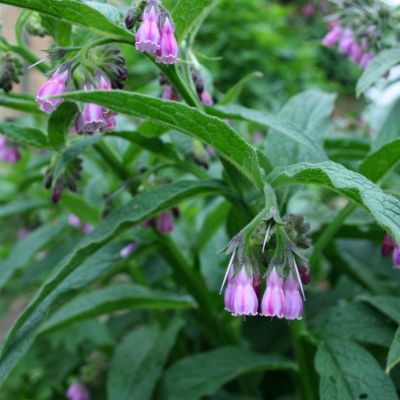
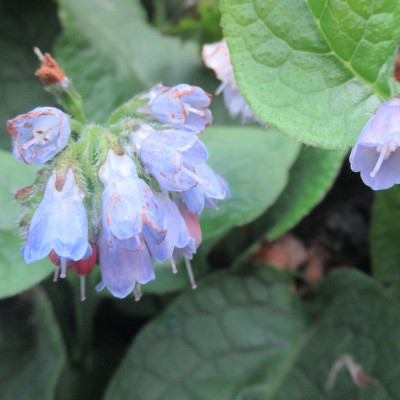
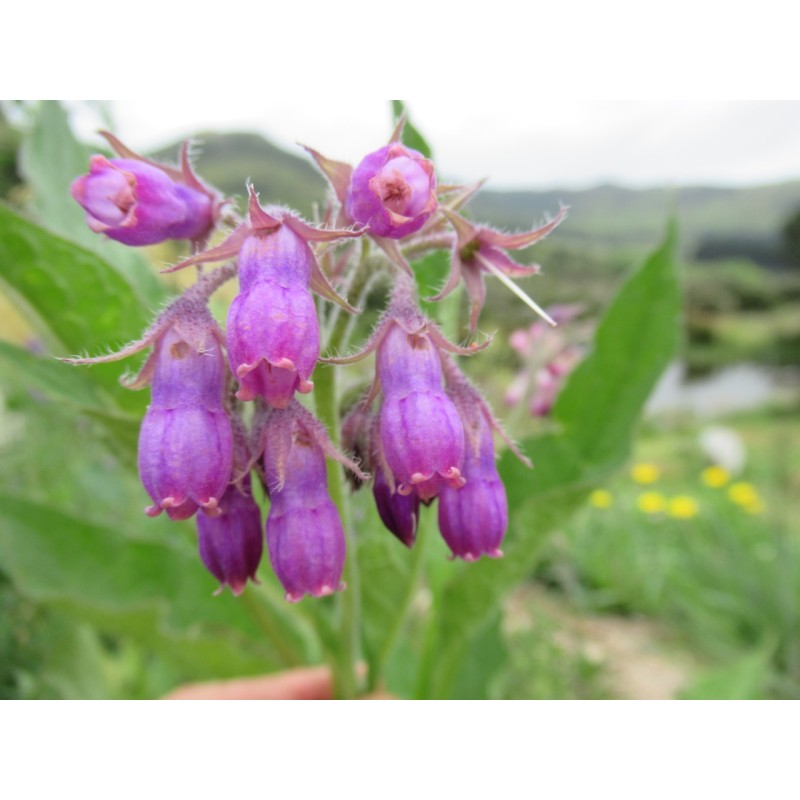
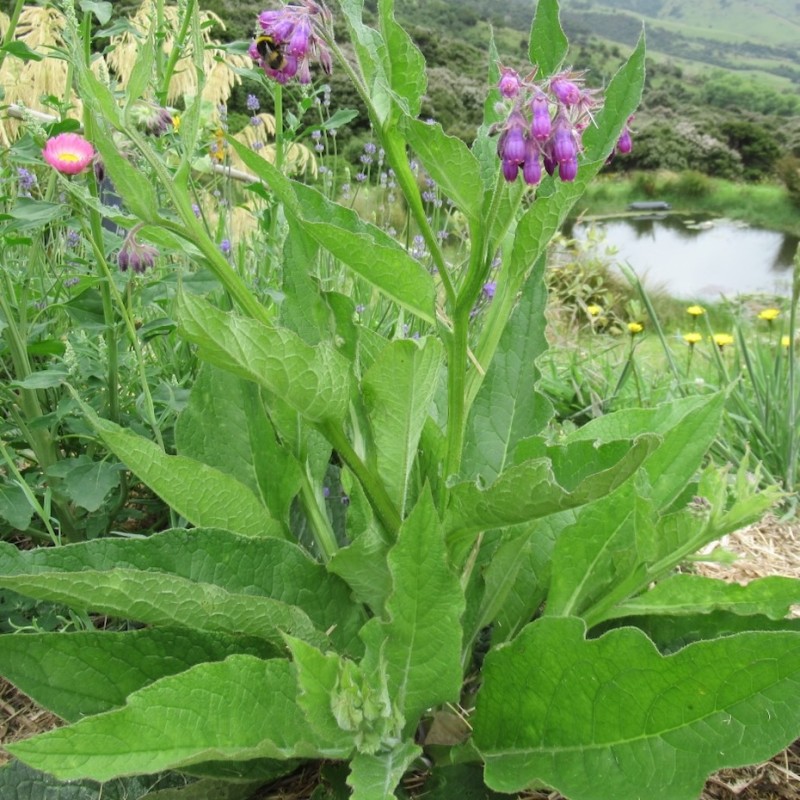
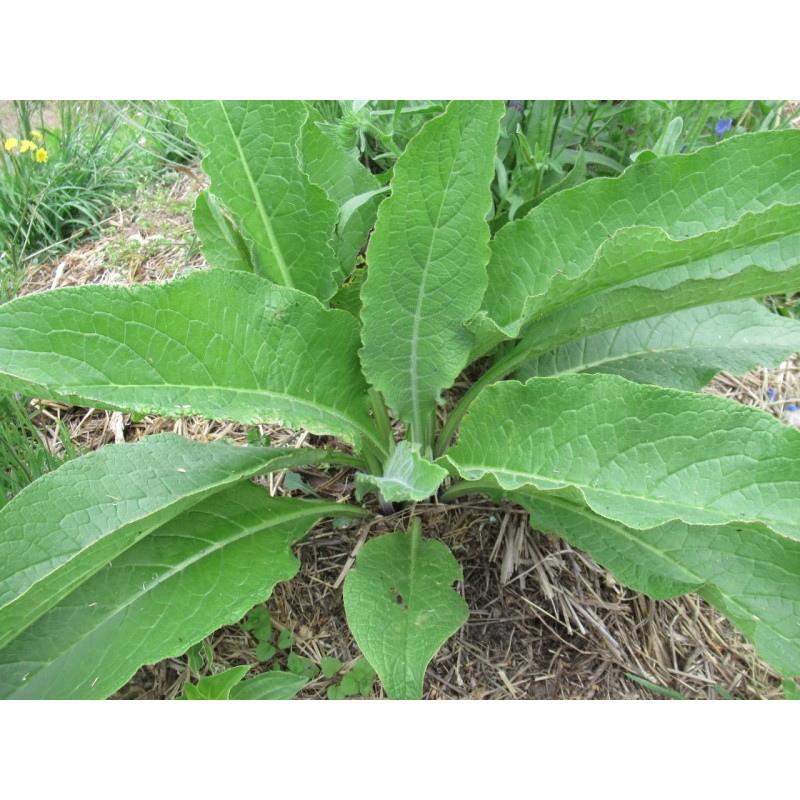
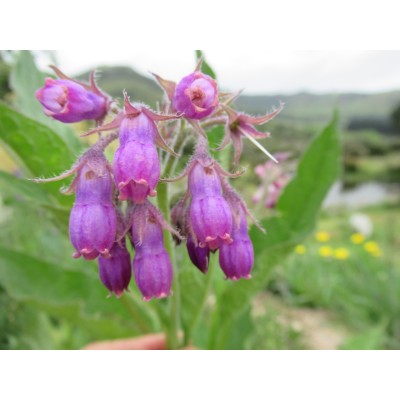
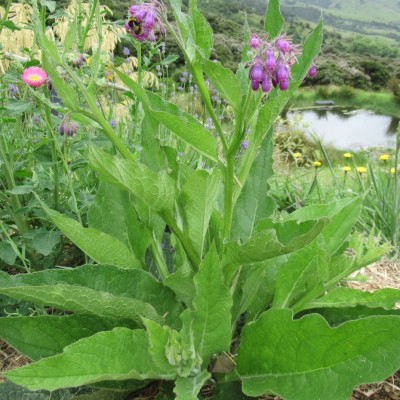
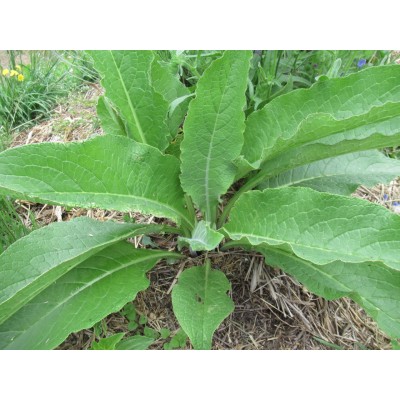
Medicinal Comfrey is a vigorous perennial herb with large broad leaves, deep-reaching roots, and clusters of bell-shaped purple flowers. For centuries it has been one of the most valued herbs for external healing, earning the traditional name “knitbone” for its ability to support the repair of bones, tissues, and skin.
Beyond its medicinal uses, Comfrey is one of the most useful plants in regenerative gardening. Its deep roots mine minerals from the subsoil, making its leaves rich in nutrients that can be used as mulch, compost activator, or liquid fertiliser. It is a true multifunctional plant—valuable in both the medicine chest and the garden.
You will receive one dormant comfrey crown similar to one in the image below.

Ingredients: live plant material to plant into your garden
A deeply restorative herbal salve with arnica and comfrey designed to support recovery from bruises, sprains, strains, and muscle fatigue. Traditionally used to ease soreness, support tissue repair, and comfort overworked or injured areas.
An essential addition to any natural first aid kit—especially after injury, surgery, or intense physical activity.
Available in a 25g glass jar.
For open wounds please see our Skin Healing Salve.
Russian Comfrey Crowns (Symphytum × uplandicum)
Russian comfrey is a highly valuable perennial for food forests, orchards, and organic garden systems. Known for its vigorous growth, deep root system, and ability to accumulate nutrients, it is widely used as a dynamic accumulator, compost ingredient, mulch plant, and natural garden fertiliser.
This hardy, low-maintenance plant produces abundant foliage that can be repeatedly harvested throughout the growing season and returned to the soil to support healthy plant growth. Once established, it forms a productive clump that returns year after year.
Each order includes 1 strong crown cutting with a growing tip. Plant directly into your garden over winter and it will emerge strongly in spring. Growing instructions and uses can be found below.
Evergreen Dwarf Comfrey (Symphytum grandiflorum)
Family: Boraginaceae
Common names: Dwarf Comfrey, Creeping Comfrey
Evergreen Dwarf Comfrey is a low-growing, spreading perennial valued for its lush evergreen foliage, early nectar-rich flowers, and exceptional usefulness as a living mulch and groundcover. Unlike Medicinal Comfrey, this smaller species is primarily grown for its ecological and soil-building benefits, helping to suppress weeds, protect soil, and feed beneficial insects. Hardy, resilient, and easy to grow, it is an excellent addition to food forests, orchards, and regenerative gardens.
Due to its smaller size and more compact growth than regular comfrey it is ideal for smaller gardens, urban environments and small food forests. It makes an excellent border plant and ground cover and does well planted around fruit trees.
Can be grown throughout New Zealand. Frost tolerant.
Below you’ll find growing instructions, uses, and harvesting ideas.
Order is for 1 plant, bare rooted.
Lemon Balm (Melissa officinalis)
Family: Lamiaceae
Common names: Lemon Balm, Balm Gentle
Lemon Balm is a vigorous, easy-to-grow perennial herb from the mint family, loved for its fresh citrus fragrance, soothing medicinal properties, and delicious flavour. Adaptable and generous, it thrives in a wide range of soil conditions and produces abundant growth throughout the season. With regular harvesting, we typically enjoy 3–4 cuts each year.
Lemon Balm dies down in winter. You will receive a dormant plant.
Below you’ll find growing instructions, medicinal uses, and herbal preparation ideas.
Multiplying Leek (Allium ampeloprasum var. porrum)
Family: Amaryllidaceae
Multiplying Leeks are one of our favourite perennial vegetables at KoruKai Herb Farm. Exceptionally easy to grow, hardy, and highly productive, they require very little care while providing a reliable harvest throughout winter and well into spring—just when annual leeks are finishing for the season.
Unlike ordinary leeks, these perennial leeks multiply naturally by forming clumps of new plants each year. Individual stems grow to around thumb thickness, with a mild, sweet leek flavour that is perfect for soups, stews, stir-fries, quiches, and countless other dishes. Harvest what you need and leave the remaining plants to continue multiplying, creating an increasingly abundant patch year after year.
Your order includes a healthy starter clump of 3–4 young multiplying leeks, ready to establish quickly in your garden. Planting instructions and growing tips are provided below.
Yacon (Smallanthus sonchifolius)
Family: Asteraceae
Order includes 1 crown (see sample images below).
Yacon, meaning “water root” in the Inca language, has been treasured for centuries in the Andes as a refreshing, thirst-quenching food for travellers. This vigorous perennial, related to the daisy family, produces crisp, juicy tubers with a uniquely sweet flavour—often described as a blend of fresh apple, watermelon, and pear.
Traditionally grown from Colombia to northern Argentina, Yacon is prized for its delicious edible roots, which can be eaten fresh or processed into the increasingly popular Yacon syrup. Its sweet juice can be concentrated into syrup, while the crunchy tubers make a refreshing and nutritious addition to the kitchen garden.
Sorrel (Rumex acetosa)
Family: Polygonaceae
Common names: Sorrel, Garden Sorrel, Lemon Sorrel
Sorrel is a hardy, long-lived perennial vegetable prized for its vibrant green leaves and distinctive fresh, lemony flavour. One of the first edible greens to emerge in spring, it provides an abundant harvest over many months and is delicious in salads, soups, sauces, omelettes, quiches, and pesto. Easy to grow and remarkably productive, Sorrel quickly forms generous clumps that can be divided every few years to create new plants.
Your Sorrel is supplied as a dormant root division during winter, with little or no foliage visible at the time of purchase. Simply plant it into the garden or a pot, and as the soil warms in spring it will send up vigorous new shoots.
During the first season, harvest lightly to allow the plant to establish a strong root system, and remove flower stalks as they appear to encourage continuous leaf production. After around a year, the clump can be lifted and divided to propagate additional plants and keep it growing vigorously for many years.
Horseradish (Armoracia rusticana)
Horseradish is a hardy, fast-growing perennial root crop valued for its powerful, pungent roots used in traditional culinary and herbal preparations. Once established, it produces vigorous leafy growth above ground and a deep, spreading root system below, forming a long-lived and highly productive plant.
Freshly harvested roots are grated or crushed to release their signature heat and aroma, traditionally used to make sauces, condiments, and medicinal preparations. A little goes a long way, making horseradish a rewarding and self-sustaining addition to the edible garden.
Each order includes 1 dormant, bare-root horseradish plant with a healthy growing tip (see example images below), ready to establish quickly and shoot strongly in spring.
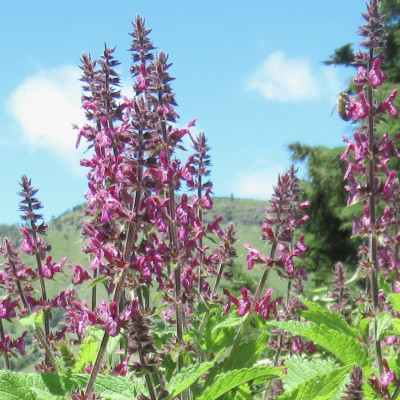
Woundwort (Stachys sylvatica)
Family: Lamiaceae
Woundwort is a hardy woodland perennial from the mint family with a long history of use as a traditional first-aid herb. For centuries it has been valued for supporting the healing of cuts, wounds, bruises, and skin irritations, earning its common name through generations of herbal use. In summer, it produces elegant spikes of deep purple flowers that are highly attractive to bees and other beneficial pollinators, while its lush green foliage makes an excellent addition to woodland gardens and food forests.
Your order includes 3 dormant plants with healthy growing tips, ready to establish quickly and send up vigorous new growth in spring. Please see the photos and growing information below.
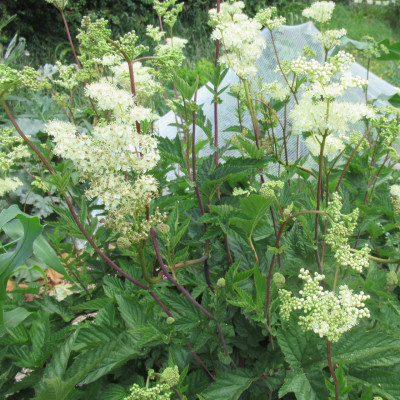
Meadowsweet (Filipendula ulmaria)
Family: Rosaceae
Common names: Meadowsweet, Mead Wort
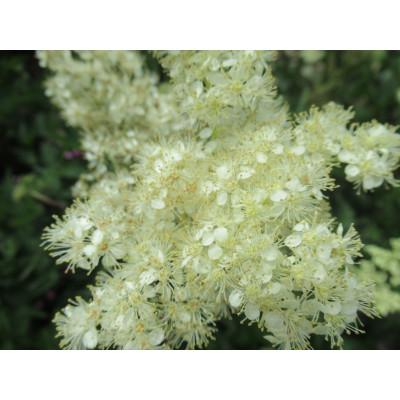
A beautiful, hardy perennial herb treasured for both its elegant creamy-white flower heads and its long history of traditional herbal use. Meadowsweet thrives in moist soils and produces masses of sweetly scented flowers that attract bees and other beneficial insects throughout summer.
Order is for 1 healthy dormant crown, carefully divided during winter dormancy. Meadowsweet divides exceptionally well, giving us an excellent re-establishment rate. Simply plant it into your garden upon arrival and enjoy many years of abundant growth.
Growing instructions, harvesting tips, and traditional herbal uses are provided below.
Perennial Stinging Nettle (Urtica dioica)
Family: Urticaceae
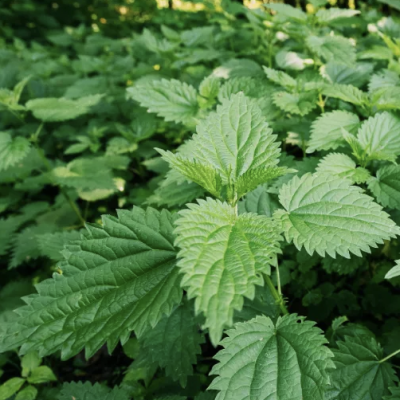
Stinging Nettle is one of the world's most valued medicinal and edible perennial herbs. Highly nutritious, vigorous, and remarkably versatile, it has been used for centuries as a nourishing food, traditional herbal medicine, natural fertiliser, compost activator, and livestock tonic. Once established, it forms productive patches that provide abundant harvests of tender spring shoots year after year.
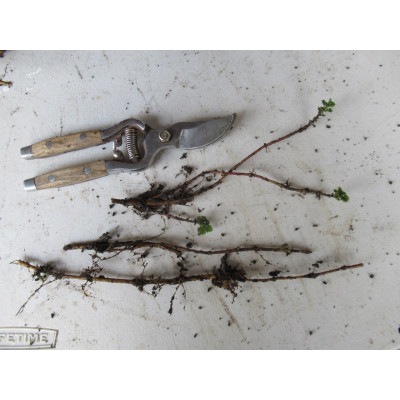
Your order includes 3 dormant rhizomes (approximately 20 cm long each), ready to establish quickly and send up vigorous new growth in spring. Planting instructions, harvesting advice, medicinal uses, and processing information are provided below.
Family: Apiaceae
Lovage is a hardy, long-lived perennial herb treasured for its rich, celery-like flavour and remarkable productivity. Every part of the plant is useful—the leaves add depth to soups, stews and salads, the stems can be enjoyed like celery, the seeds are used as a spice, and the roots have a long history of culinary and traditional herbal use.
Order is for 1 dormant crown with healthy growing buds. Simply plant it into your garden upon arrival and watch it burst into vigorous new growth in spring. Growing instructions, harvesting tips, and traditional uses are provided below.
Family: Asteraceae
Common names: Meadow Arnica, Arnica
Meadow Arnica is a hardy, spreading perennial prized for its vibrant golden-yellow flowers and long history of traditional herbal use. Unlike the European mountain arnica, this North American species is easier to grow in the home garden, forming attractive clumps that return year after year and provide abundant flowers for making infused oils, salves, balms, and liniments.
Easy to establish and cold hardy, Meadow Arnica thrives in full sun to partial shade in well-drained, compost-rich soil. It spreads gradually by underground rhizomes, making it an excellent addition to medicinal herb gardens and pollinator plantings.
Each order includes three dormant rhizomes with growing buds, ready to plant. Growing instructions, harvesting advice, and traditional herbal uses can be found below.
White Ginger (Hedychium coronarium)
Family: Zingiberaceae
White Ginger, also known as Butterfly Ginger or Himalayan Ginger, is a striking perennial from the ginger family grown for its lush tropical foliage and highly fragrant white flowers. The blooms resemble delicate butterflies in flight and release a rich, sweet perfume often compared to gardenias, making it one of the most aromatic ornamental gingers.
Despite sometimes being mislabelled in trade (including in New Zealand), White Ginger is distinct from culinary galangal species. While its rhizomes are edible and carry a mild, ginger-like flavour, it is primarily grown as an ornamental and fragrant garden plant.
This vigorous plant produces large clumps of upright stems and spreads gradually via underground rhizomes, forming a bold, tropical presence in the garden. It thrives in moist to boggy soils and performs best in full sun to partial shade, especially where soil moisture is consistently high.
Your order includes one healthy plant, ready to establish and grow into a lush flowering clump. Growing instructions and care details are provided below.
Because we only dig this plant every 2 years, we will not have it available in 2026, but we will have heaps in 2027.
Available again in July 2027. Sign up below to join the waiting list.
Elecampane Crowns (Inula helenium)
Elecampane is a striking medicinal perennial traditionally valued for supporting respiratory health and herbal wellness practices.*
Each order includes 1 healthy elecampane crown with active growing tip(s) (see images below). Simply plant into your garden over winter and watch it emerge vigorously in spring. Under good growing conditions, a single plant can often be lifted and divided the following winter, producing approximately 3–6 new plants within a year.
Evergreen Dwarf Comfrey (Symphytum grandiflorum)
Family: Boraginaceae
Common names: Dwarf Comfrey, Creeping Comfrey
Evergreen Dwarf Comfrey is a low-growing, spreading perennial valued for its lush evergreen foliage, early nectar-rich flowers, and exceptional usefulness as a living mulch and groundcover. Unlike Medicinal Comfrey, this smaller species is primarily grown for its ecological and soil-building benefits, helping to suppress weeds, protect soil, and feed beneficial insects. Hardy, resilient, and easy to grow, it is an excellent addition to food forests, orchards, and regenerative gardens.
Due to its smaller size and more compact growth than regular comfrey it is ideal for smaller gardens, urban environments and small food forests. It makes an excellent border plant and ground cover and does well planted around fruit trees.
Can be grown throughout New Zealand. Frost tolerant.
Below you’ll find growing instructions, uses, and harvesting ideas.
Order is for 1 plant, bare rooted.
Chinese Artichoke / Crosnes (Stachys affinis)
Family: Lamiaceae
Chinese Artichokes, also known as Crosnes, are a delicious and unusual perennial root vegetable grown for their crisp, spiralled white tubers. Easy to grow and highly productive, they return year after year, producing abundant harvests from late autumn through winter.
The distinctive tubers resemble tiny grubs but are a gourmet delicacy with a wonderfully unique texture. Eaten raw, they are crisp, juicy, and slightly sweet, with a flavour reminiscent of water chestnuts. Cooked, they become tender, creamy, and subtly nutty, somewhere between a young potato, kūmara, and Jerusalem artichoke. In France, where they are known as Crosnes, they are traditionally braised in butter and fresh herbs—a simple preparation that beautifully highlights their delicate flavour.
Your order includes a starter pack of approximately five healthy tubers, ready for planting. Once established, the plants gradually multiply underground, providing increasingly generous harvests each year.
Chinese Artichokes are hardy, frost tolerant, and winter dormant, making them an excellent perennial vegetable for New Zealand gardens. Growing instructions, harvesting advice, and culinary tips are provided below.
Currently unavailable for 2026. Due to an unusually cool and marginal growing season, our turmeric crop produced very little rhizome division this year. As a result, we will not have plants available for sale in 2026.
Expected availability: July 2027. Please sign up below to join the waiting list and be notified when plants become available again.
Turmeric (Curcuma longa)
Family: Zingiberaceae
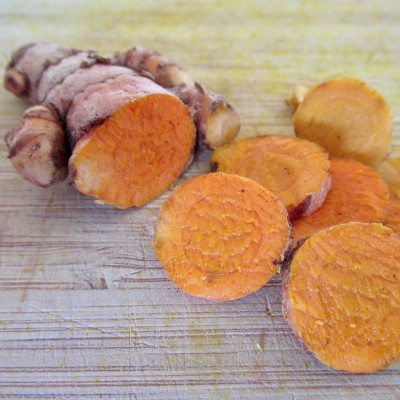
Turmeric is one of the world's most celebrated medicinal and culinary plants, prized for its vibrant golden rhizomes and long history of use in traditional herbal medicine. A close relative of ginger, it thrives in warm conditions and produces lush tropical foliage as well as highly valued underground rhizomes rich in curcuminoids—the compounds responsible for turmeric's distinctive colour and many of its researched health benefits.*
Widely used in curries, teas, tonics, and herbal preparations, turmeric has become a cornerstone of both traditional and modern wellness practices. Research continues to investigate its role in supporting healthy inflammatory responses, antioxidant activity, and overall wellbeing.
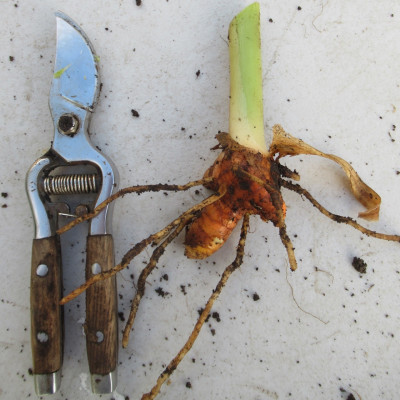
When available, each order includes one healthy turmeric crown, ready to establish and produce a new clump of rhizomes. Growing instructions, harvesting information, and culinary uses are provided below.
Family: Lamiaceae
Skullcap is a hardy perennial herb renowned for its calming and restorative properties. Native to North America, it produces masses of delicate blue-violet flowers in summer that are highly attractive to bees and other beneficial insects. It is one of the most valued herbs for supporting the nervous system and makes an excellent addition to any medicinal herb garden.*
Easy to grow and long-lived, Skullcap thrives in moist, fertile soil in full sun to partial shade. Once established, it returns year after year and provides abundant leafy growth for harvesting.
Your order includes three dormant rhizomes with growing buds, ready to plant. Growing instructions, harvesting advice, drying methods, and traditional medicinal uses can be found below.