


Family: Apiaceae
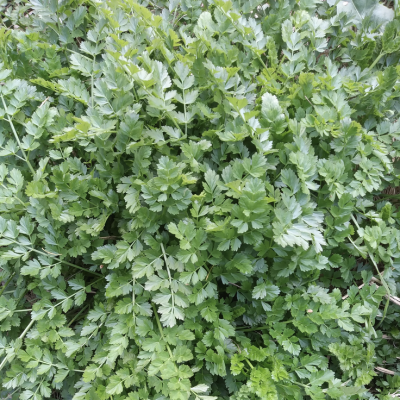
Lovage is a hardy, long-lived perennial herb treasured for its rich, celery-like flavour and remarkable productivity. Every part of the plant is useful—the leaves add depth to soups, stews and salads, the stems can be enjoyed like celery, the seeds are used as a spice, and the roots have a long history of culinary and traditional herbal use.
Order is for 1 dormant crown with healthy growing buds. Simply plant it into your garden upon arrival and watch it burst into vigorous new growth in spring. Growing instructions, harvesting tips, and traditional uses are provided below.
 Security policy
Secure credit card, bank transfer or POLi payment!
 Delivery policy
Proudly support NZ Post/CourierPost!
 Return policy
We exchange or refund if you are not happy!

Guarantee safe & secure checkout
Organically grown at KoruKai Herb Farm, New Zealand, without synthetic fertilisers, pesticides, or herbicides.
Lovage is one of Europe's oldest culinary herbs and has been grown in monastery, cottage, and kitchen gardens for centuries. A member of the Apiaceae family alongside carrot, celery, parsley and fennel, it is a hardy perennial that returns reliably each spring, producing abundant aromatic foliage for many years.
Every part of the plant is useful. The leaves, stems, roots and seeds all have a rich, savoury flavour reminiscent of celery, making lovage an indispensable herb in the kitchen.
Growing up in Germany, my grandmother always called it "Maggi-Kraut" (Maggi Herb) because its distinctive aroma closely resembles the famous Maggi seasoning traditionally used in soups and broths. It remains one of our favourite perennial vegetables at KoruKai Herb Farm, where it grows happily in our food forest and provides fresh harvests for much of the year.
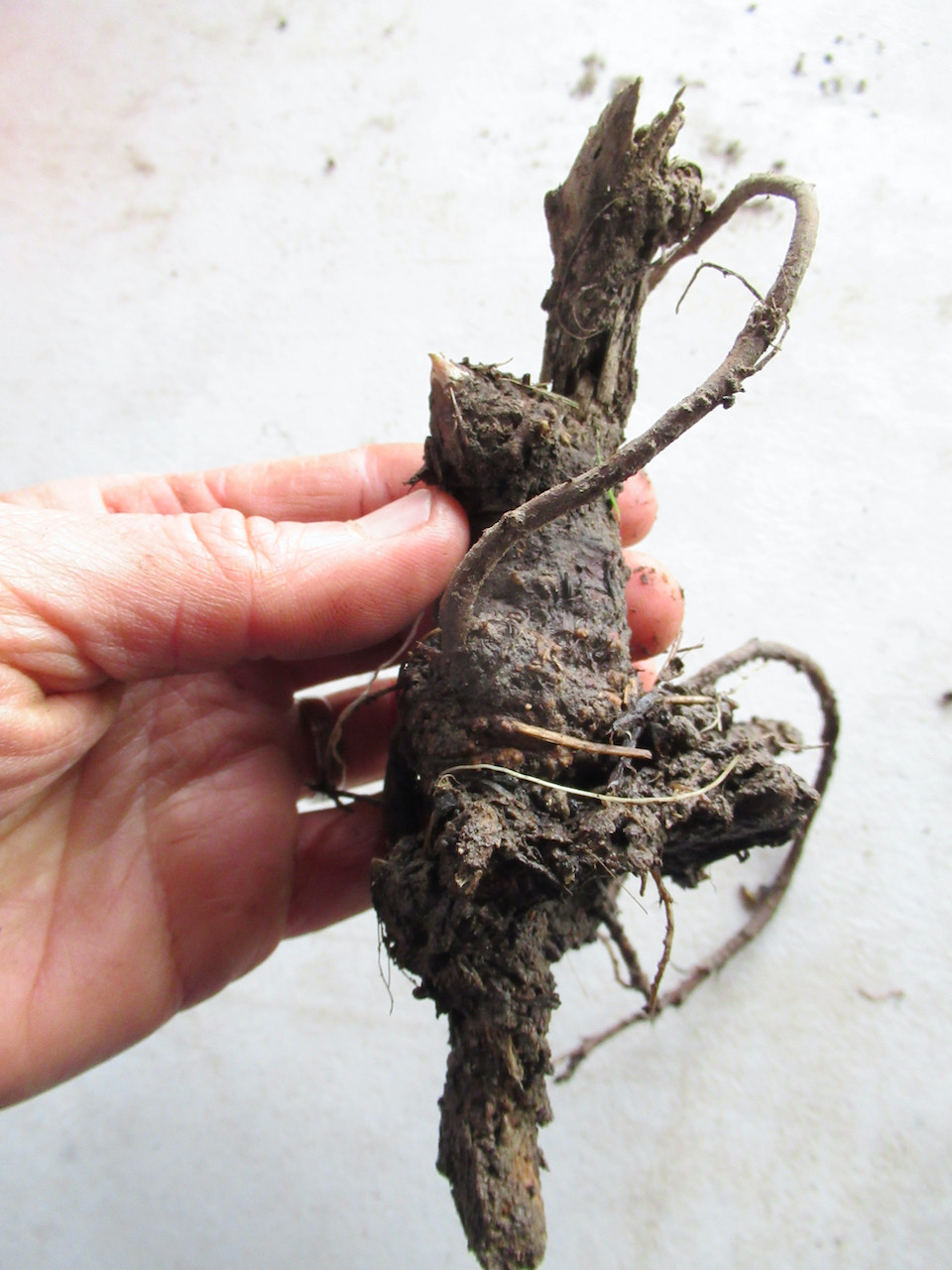
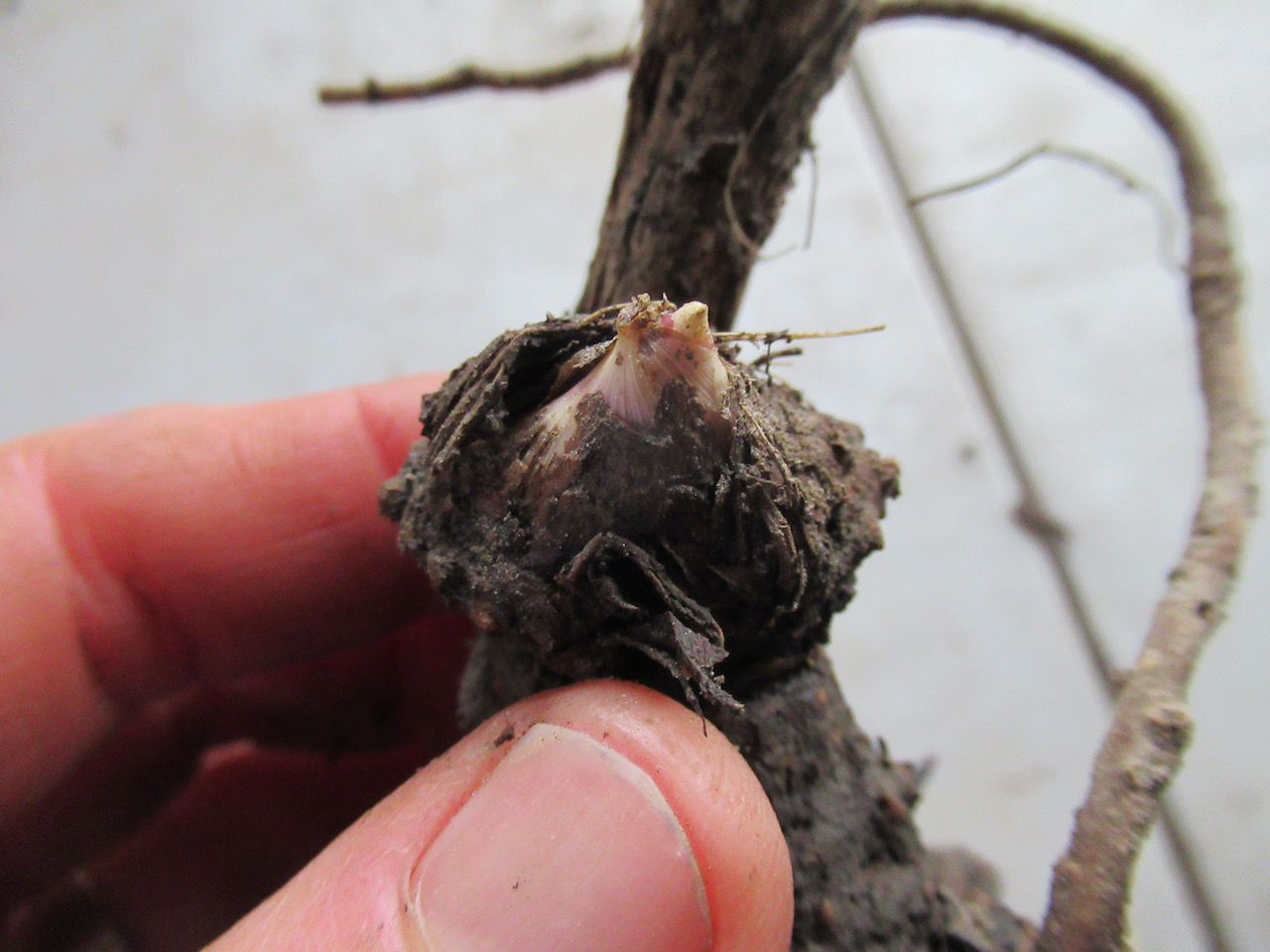
Your order contains one healthy dormant crown. Plant it with the growing bud just beneath the soil surface and it will emerge vigorously in spring.
See image below with an example crown and growing bud.
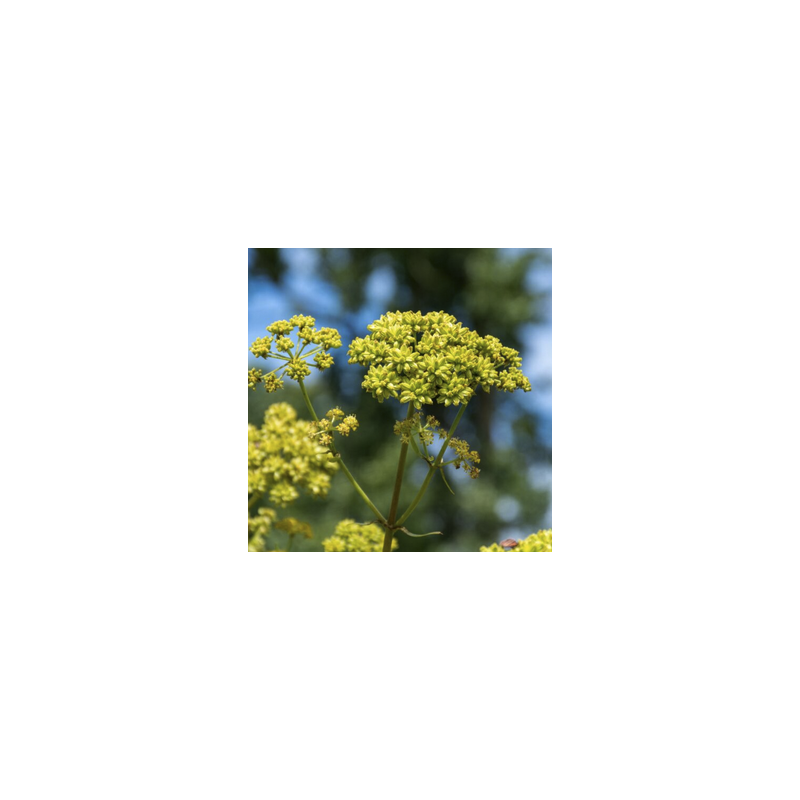
Lovage is an exceptionally hardy, long-lived perennial that is remarkably easy to grow. It thrives in full sun to partial shade and prefers fertile, moisture-retentive, well-drained soil rich in organic matter. Once established, plants require very little maintenance and can remain productive in the same location for many years. Mature plants commonly reach 1.5–2 metres tall, producing impressive umbels of yellow flowers in summer that attract bees, hoverflies and other beneficial insects.
At KoruKai Herb Farm we grow lovage successfully in our food forest, where it competes well with neighbouring plants and benefits from an annual mulch of compost and organic matter.
Lovage readily self-seeds if flower heads are left to mature, although seedlings are easy to identify and remove where not wanted. We have never found it to be invasive.
Regular harvesting or cutting back some stems throughout the season encourages fresh, tender new growth.
Choose a permanent position in your herb garden, vegetable garden, orchard or food forest.
Before planting:
Water regularly during the first summer while the plant establishes. Once mature, lovage becomes quite drought tolerant but performs best with consistent moisture and an annual application of compost and mulch.
Harvest leaves and stems regularly throughout spring, summer and autumn to encourage continuous production of fresh new growth. The flavour is at its best while the leaves are young and tender, before flowering begins. Cut stems close to the base of the plant using secateurs or a sharp knife. Allow some flower heads to mature if you wish to collect the aromatic seeds. Harvest them once they have turned brown and dry in late summer. Place the seed heads into a paper bag and gently rub them between your fingers to release the seeds.
After 2–3 years, the roots are also ready to harvest. Lift part of the root system during winter dormancy, wash thoroughly, peel, and use fresh or dry for later use. The remaining crown can be replanted to continue growing.
For winter use, harvest healthy stems before flowering and dry them in a warm, shaded, well-ventilated place or in a dehydrator at 35–40°C until the leaves become crisp.
Strip the dried leaves from the stems and store them in airtight glass jars or paper bags in a cool, dark place. The quicker the leaves are dried, the more flavour they retain.
Lovage is one of those herbs that quickly becomes indispensable once you start growing it.
The leaves add a rich, savoury flavour to:
The hollow stems can be used much like celery or lightly sautéed in butter. The seeds make an excellent seasoning for breads, soups, roasted vegetables and meat dishes, while the peeled roots can be grated into salads, cooked as a vegetable, or dried for tea.
With its exceptional flavour, ease of growing, and abundant harvests year after year, lovage is one of the most rewarding perennial herbs you can add to a kitchen garden or food forest.
Ingredients: live plant material to plant into your garden
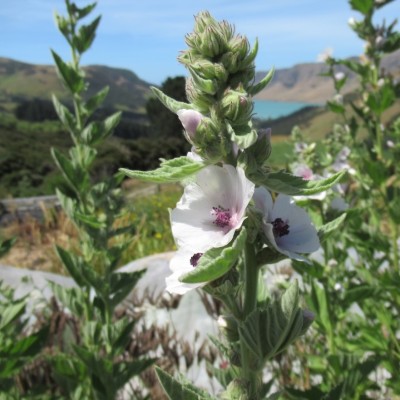
Marshmallow Crowns (Althaea officinalis)
Available again in July 2026. Sign up below to join the waiting list.
Marshmallow is a traditional medicinal herb valued for its soothing properties. The leaves and roots have historically been used to support inflammation and irritation of the respiratory, digestive, and urinary systems, including dry coughs, stomach irritation, and urinary tract discomfort.*
Each order includes 1 healthy marshmallow crown cutting with a growing tip. Simply plant into your garden over winter and watch it emerge vigorously in spring. Examples of growing tips are shown below.
Organically grown at KoruKai Herb Farm without synthetic fertilisers, pesticides, or herbicides.
Rosemary (Salvia rosmarinus)
Family: Lamiaceae
Rosemary is a beautiful evergreen Mediterranean herb, treasured for its fragrant, needle-like leaves, stunning blue flowers, and wide range of culinary and medicinal uses. Hardy, drought tolerant, and long-lived, it makes an attractive addition to herb gardens, food forests, edible hedges, and pollinator plantings.
Flowering from late winter through spring, Rosemary provides an important early nectar source for honeybees and other beneficial insects when few other plants are in bloom. Its aromatic foliage is indispensable in the kitchen, pairing beautifully with roasted vegetables, potatoes, breads, lamb, poultry, and many Mediterranean dishes.
Your order includes one healthy bare-rooted seedling, ready to establish quickly in your garden or a large container. Growing instructions, harvesting advice, and traditional medicinal uses are provided below.
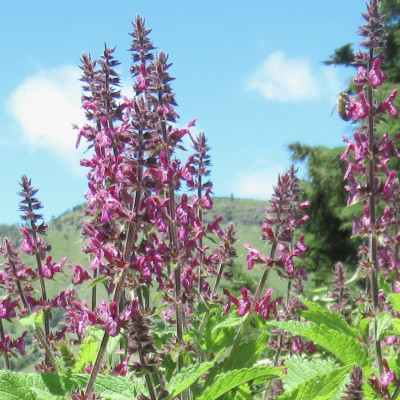
Woundwort (Stachys sylvatica)
Family: Lamiaceae
Woundwort is a hardy woodland perennial from the mint family with a long history of use as a traditional first-aid herb. For centuries it has been valued for supporting the healing of cuts, wounds, bruises, and skin irritations, earning its common name through generations of herbal use. In summer, it produces elegant spikes of deep purple flowers that are highly attractive to bees and other beneficial pollinators, while its lush green foliage makes an excellent addition to woodland gardens and food forests.
Your order includes 3 dormant plants with healthy growing tips, ready to establish quickly and send up vigorous new growth in spring. Please see the photos and growing information below.
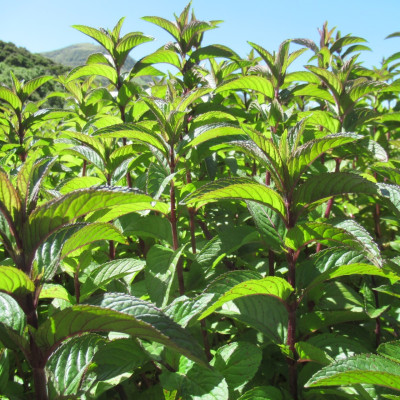
True Peppermint Dormant Bare Root Cuttings (Mentha × piperita)
Available again in July 2026. Sign up below to join the waiting list.
A true, high-quality peppermint selected for its strong, clean flavour and reliable vigour - distinct from common garden mints often sold under the same name. This is the same commercial strain grown at KoruKai Herb Farm and is rarely available through retail outlets.
Plants are supplied as dormant bare-root cuttings with active growing tips, shipped nationwide during winter dormancy for easy establishment.
Frost tolerant and highly productive once established.
Peppermint dormant plant (see image below) is suitable for a 20cm planter or pot and will have growing shoots in place.
Available again in July 2026. Sign up below to go onto the waiting list.
Yacon (Smallanthus sonchifolius)
Family: Asteraceae
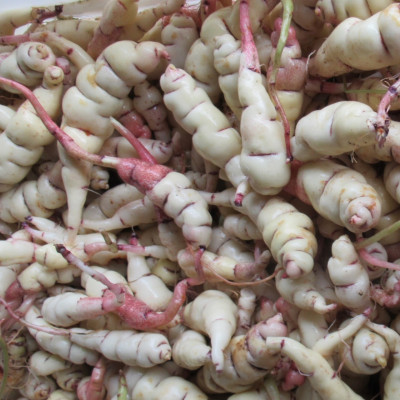
Order includes 1 crown (see sample images below).
Yacon, meaning “water root” in the Inca language, has been treasured for centuries in the Andes as a refreshing, thirst-quenching food for travellers. This vigorous perennial, related to the daisy family, produces crisp, juicy tubers with a uniquely sweet flavour—often described as a blend of fresh apple, watermelon, and pear.
Traditionally grown from Colombia to northern Argentina, Yacon is prized for its delicious edible roots, which can be eaten fresh or processed into the increasingly popular Yacon syrup. Its sweet juice can be concentrated into syrup, while the crunchy tubers make a refreshing and nutritious addition to the kitchen garden.
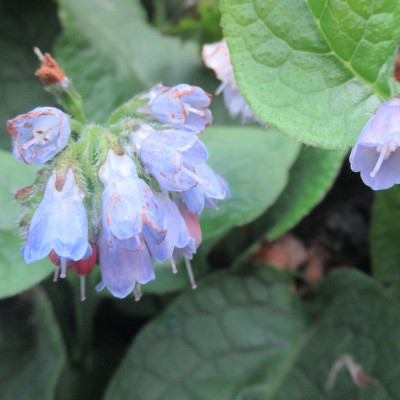
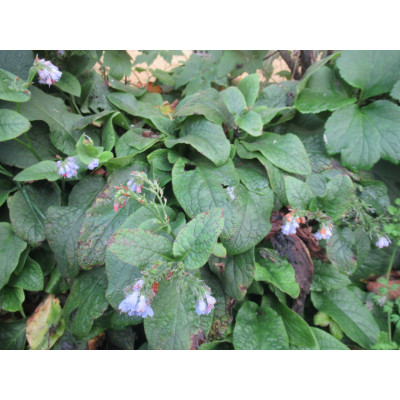
Evergreen Dwarf Comfrey (Symphytum grandiflorum)
Family: Boraginaceae
Common names: Dwarf Comfrey, Creeping Comfrey
Evergreen Dwarf Comfrey is a low-growing, spreading perennial valued for its lush evergreen foliage, early nectar-rich flowers, and exceptional usefulness as a living mulch and groundcover. Unlike Medicinal Comfrey, this smaller species is primarily grown for its ecological and soil-building benefits, helping to suppress weeds, protect soil, and feed beneficial insects. Hardy, resilient, and easy to grow, it is an excellent addition to food forests, orchards, and regenerative gardens.
Due to its smaller size and more compact growth than regular comfrey it is ideal for smaller gardens, urban environments and small food forests. It makes an excellent border plant and ground cover and does well planted around fruit trees.
Can be grown throughout New Zealand. Frost tolerant.
Below you’ll find growing instructions, uses, and harvesting ideas.
Order is for 1 plant, bare rooted.
Available again in July 2026. Sign up below to go onto the waiting list.
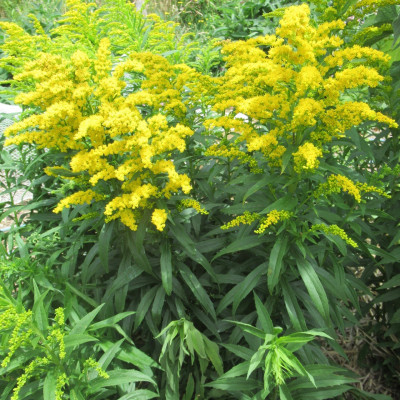
Solidago virgaurea
Family: Asteraceae
Common names: Goldenrod, European Goldenrod, Woundwort, true Goldenrod
Goldenrod is a members of the daisy family and has vivid yellow flower heads that are made up of many, small, daisy-like flowers. It was traditionally used to heal wounds, and a yellow dye was produced from the flowers. Its a stunning plant in meadows, wild flower gardens and herb gardens.
Plant is shipped during its winter dormancy. It will be a bare rooted, dormant crown without any leaves or stalks, but with growing buds already in place (see image below). Simply plant into your garden over winter and watch it emerge in spring. Growing tips are below.
Multiplying Spring Onions (Allium schoenoprasum)
Family: Amaryllidaceae
Easy-care Multiplying Spring Onions, also known as Giant Chives, are one of the most productive perennial vegetables you can grow. Hardy, reliable, and long-lived, they form ever-expanding clumps that return year after year with almost no maintenance.
Enjoy a continuous harvest of crisp, mild-flavoured spring onions from September through to May. Simply harvest the largest stems as needed while leaving the smaller ones to continue growing. Each year the clumps become larger and more productive, providing an increasingly abundant supply without the need for repeated sowing, transplanting, or thinning.
Ideal for kitchen gardens, raised beds, food forests, and permaculture systems, Multiplying Spring Onions are frost hardy, easy to divide, and excellent for sharing with friends or expanding your own planting.
Your order includes a healthy starter clump, ready to establish quickly and provide years of reliable harvests. Planting instructions, growing tips, and harvesting advice are provided below.
Available again in July 2026. Sign up below to go onto the waiting list.
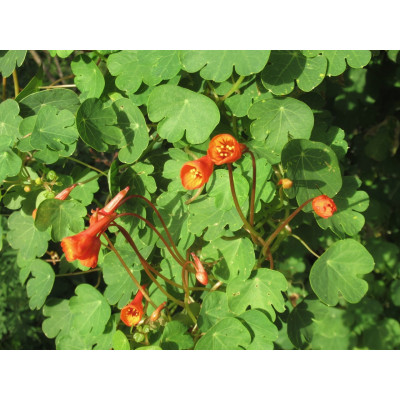
Mashua (Tropaeolum tuberosum)
Mashua (pronounced Mah-shwuh) is an Andean tuber. A relative of the garden nasturtium, Mashua is one of the highest-yielding, and easiest-to-grow of the Andean tubers, and most resistant to cold. It also repels many insects, nematodes, and other pathogens, thus making it a valuable plant to intercrop with other species. The tubers about the size of small potatoes or big yams.
Mashua is high-yielding, even under conditions of almost no management. Even the leaves are edible!
You will receive 2 medium tubers or 1 large one (see image below).
Simply plant into your garden as soon as you receive it and watch it emerge in spring. Growing tips are below.
Available again in July 2026. Sign up below to go onto the waiting list.
Meadow Arnica (Arnica chamissonis)
Common names: arnica, meadow arnica
Creeping alpine herbaceous perennial.
This plant have been grown organically at KoruKai Herb Farm, Banks Peninsula. Free from synthetic fertiliser, pesticides and herbicides.
You will get 3 dormant root pieces. Please find growing information and a picture below.
Earth Chestnut (Bunium bulbocastanum)
Family: Apiaceae
Common names: Earth Chestnut, Pignut, Great Pignut, Earthnut
Earth Chestnut is a fascinating and productive perennial root vegetable, prized for its sweet, chestnut-flavoured tubers. Every part of the plant is edible—the small underground tubers can be eaten raw or cooked like potatoes, the delicate fern-like leaves have a fresh parsley-like flavour, and the aromatic seeds can be used as a substitute for cumin. A hardy and long-lived addition to the edible garden, Earth Chestnut is ideal for gardeners interested in unusual perennial food crops.
You will receive a healthy seedling with roots and young shoots (see images below). Plant it into its permanent position as soon as it arrives, and it will establish over winter before producing fresh growth in spring. Growing instructions, harvesting tips, and culinary uses are provided below.
Available again from July 2026 — sign up below to join the waiting list.
Jerusalem Artichoke (Helianthus tuberosus), also known as sunchoke or sunroot, is a hardy edible sunflower grown for its delicious, nutritious tubers.
Our Jerusalem artichokes are grown naturally at KoruKai Herb Farm without synthetic fertilisers, pesticides, or herbicides.
Each order contains 3 tubers. Choose either 3 small or 3 large tubers using the options below.
Growing instructions can be found here and below.
Motherwort (Leonurus cardiaca)
Family: Lamiaceae
Common names: Motherwort, Lion’s Tail
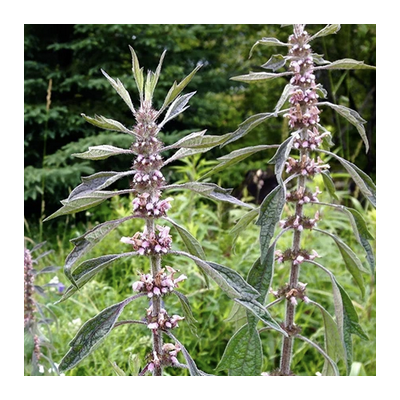
Motherwort is a hardy, easy-to-grow perennial herb from the mint family, valued for its calming effects on the nervous system and its long traditional use in supporting the heart and women’s health. With its tall leafy stems, soft pink flowers, and abundant summer growth, Motherwort is both medicinally powerful and highly attractive to bees and other pollinators.
Below you’ll find growing instructions, medicinal uses, and herbal preparation ideas.
Motherwort dies down in winter. You will receive a dormant plant.
Perennial Stinging Nettle (Urtica dioica)
Family: Urticaceae
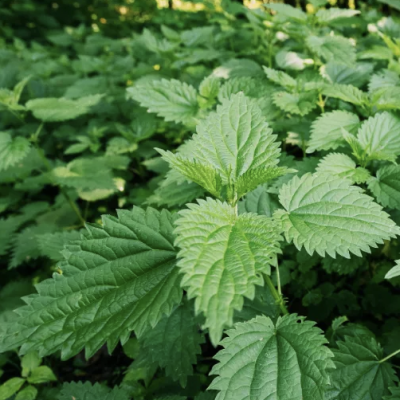
Stinging Nettle is one of the world's most valued medicinal and edible perennial herbs. Highly nutritious, vigorous, and remarkably versatile, it has been used for centuries as a nourishing food, traditional herbal medicine, natural fertiliser, compost activator, and livestock tonic. Once established, it forms productive patches that provide abundant harvests of tender spring shoots year after year.
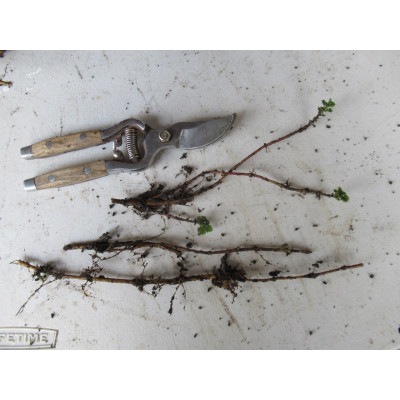
Your order includes 3 dormant rhizomes (approximately 20 cm long each), ready to establish quickly and send up vigorous new growth in spring. Planting instructions, harvesting advice, medicinal uses, and processing information are provided below.
Chinese Artichoke / Crosnes (Stachys affinis)
Family: Lamiaceae
Chinese Artichokes, also known as Crosnes, are a delicious and unusual perennial root vegetable grown for their crisp, spiralled white tubers. Easy to grow and highly productive, they return year after year, producing abundant harvests from late autumn through winter.
The distinctive tubers resemble tiny grubs but are a gourmet delicacy with a wonderfully unique texture. Eaten raw, they are crisp, juicy, and slightly sweet, with a flavour reminiscent of water chestnuts. Cooked, they become tender, creamy, and subtly nutty, somewhere between a young potato, kūmara, and Jerusalem artichoke. In France, where they are known as Crosnes, they are traditionally braised in butter and fresh herbs—a simple preparation that beautifully highlights their delicate flavour.
Your order includes a starter pack of approximately five healthy tubers, ready for planting. Once established, the plants gradually multiply underground, providing increasingly generous harvests each year.
Chinese Artichokes are hardy, frost tolerant, and winter dormant, making them an excellent perennial vegetable for New Zealand gardens. Growing instructions, harvesting advice, and culinary tips are provided below.
Wormwood (Artemisia absinthium)
Family: Asteraceae
Common names: Wormwood, Absinthe Wormwood, Green Ginger
Wormwood is a hardy, aromatic perennial herb prized for its striking silvery foliage, intense bitterness, and powerful medicinal properties. Traditionally used as a digestive tonic and vermifuge, it is one of the classic bitter herbs of Western herbal medicine. Easy to grow and drought tolerant once established, Wormwood thrives in poor soils and makes a beautiful structural plant in the herb garden.
Wormwood dies down in winter. You will receive a dormant crown with established shoots.
Below you’ll find growing instructions, medicinal uses, and herbal preparation ideas.