


Because we only dig this plant every 2 years, we will not have it available in 2026, but we will have heaps in 2027.
Available again in July 2027. Sign up below to join the waiting list.
Elecampane Crowns (Inula helenium)
Elecampane is a striking medicinal perennial traditionally valued for supporting respiratory health and herbal wellness practices.*
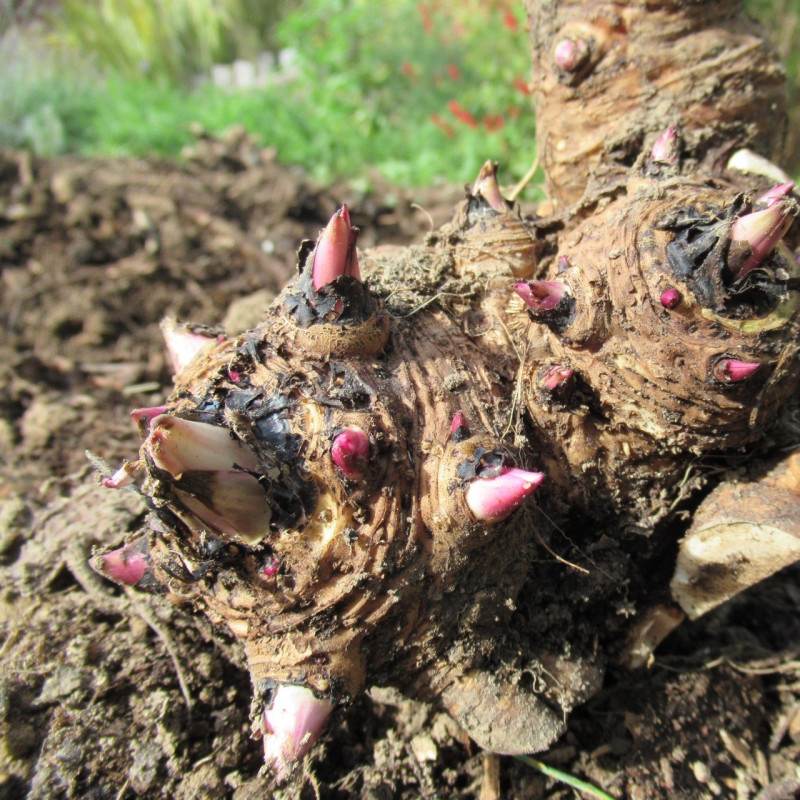
Each order includes 1 healthy elecampane crown with active growing tip(s) (see images below). Simply plant into your garden over winter and watch it emerge vigorously in spring. Under good growing conditions, a single plant can often be lifted and divided the following winter, producing approximately 3–6 new plants within a year.
 Security policy
Secure credit card, bank transfer or POLi payment!
 Delivery policy
Proudly support NZ Post/CourierPost!
 Return policy
We exchange or refund if you are not happy!

Guarantee safe & secure checkout
Organically grown at KoruKai Herb Farm without synthetic fertilisers, pesticides, or herbicides.
Elecampane is a deeply warming and aromatic medicinal herb traditionally used to support the respiratory system, particularly during the colder months. The roots are valued for helping to clear dense, sticky mucus from the bronchial passages while gently supporting easier breathing and relieving persistent coughs. Traditionally, elecampane has been used in herbal cough syrups, warming teas, tinctures, and oxymels.
At KoruKai Herb Farm elecampane is one of our essential winter herbs. We rely on it throughout the colder months to help support the bronchial system and soothe irritating coughs naturally.
Its warming, stimulating nature also makes it a useful herb for supporting circulation and digestion during damp, cold weather.
You will receive one dormant elecampane crown similar to the one below with visible growing shoot wrapped in wet newspaper ready for planting.
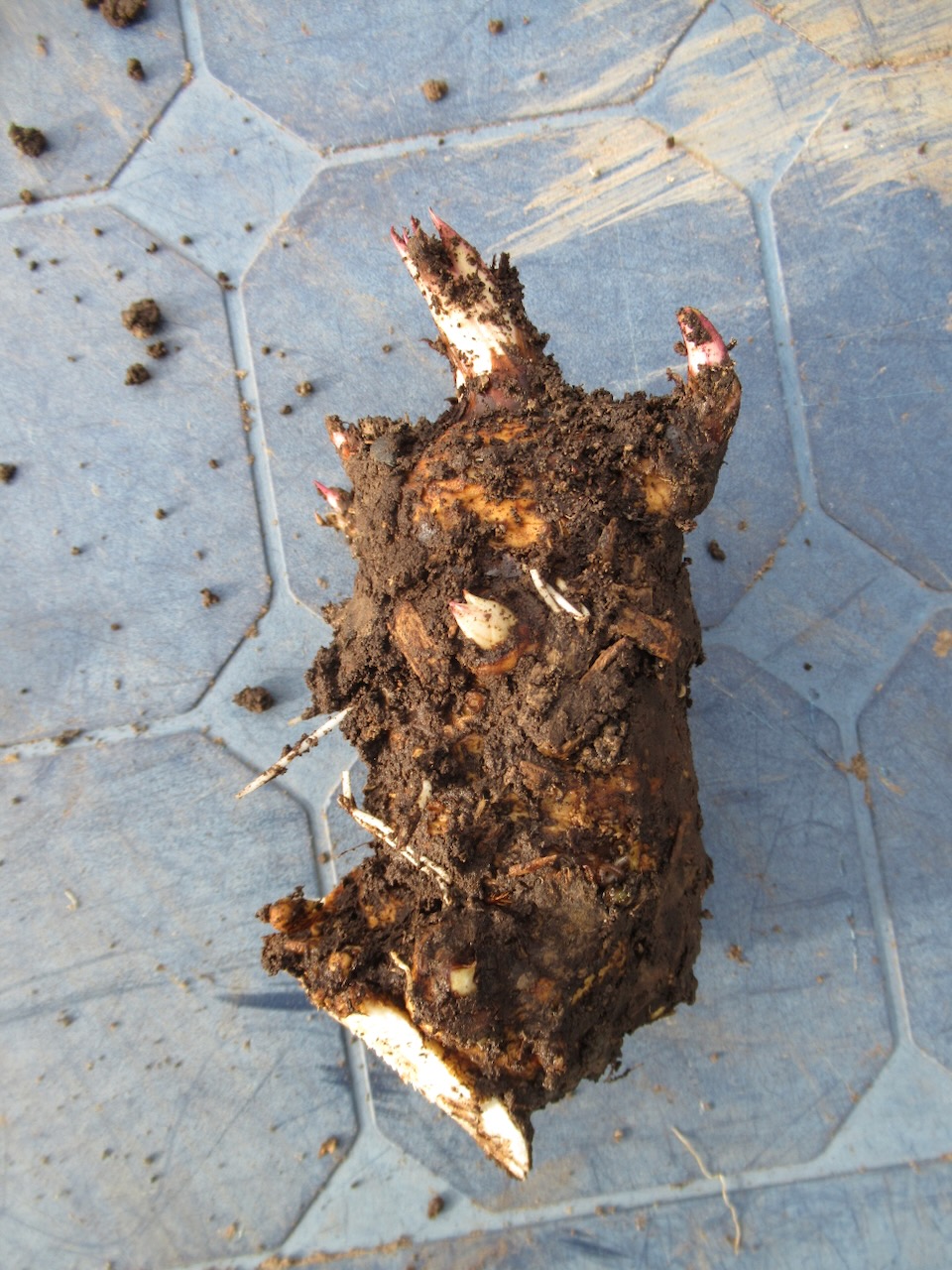
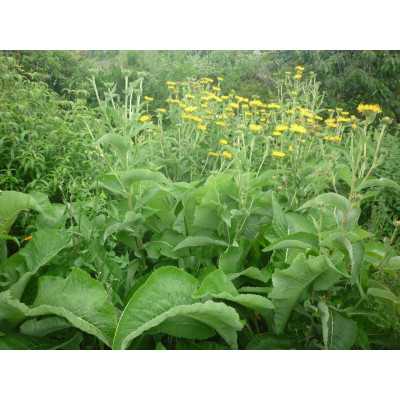
Image below: Elecampane is a great garden plant.
.jpg)
Elecampane (Inula helenium)
Elecampane is a deeply warming and strengthening herb traditionally used to support the respiratory system, particularly during the cold and damp months of winter. The aromatic roots are valued for helping to clear dense, sticky mucus from the bronchial passages while easing coughs and supporting healthy lung function. Traditionally, elecampane has been prepared as warming cough syrups, decoctions, tinctures, and oxymels.
At KoruKai Herb Farm elecampane is one of our indispensable winter herbs. We rely on it every year to help support the bronchial system and soothe persistent coughs naturally.
Elecampane grows best in full sun to partial shade in fertile, loamy, well-drained soil. Deep, loose soil encourages larger root development, making bed preparation especially worthwhile if growing in heavier clay soils. Adding generous amounts of compost and organic matter greatly improves soil structure and drainage. A thick mulch of autumn leaves or other organic material helps retain moisture and protect soil life throughout the year.
Elecampane is a striking perennial with tall stems and large sunflower-like blooms. Plants generally require two years to fully mature and produce substantial medicinal roots. Prepare the garden bed well by incorporating compost and breaking up compacted soil. Plant the crown with the growing shoot(s) facing upward and lightly covered with soil. Space plants approximately 45cm apart and mulch generously with woodchips, autumn leaves, or organic straw. Plants typically emerge between September and October, reach peak growth in January, and begin dying back in April and May. Elecampane produces an abundant harvest of large, fleshy roots, and usually 1–2 mature plants are sufficient to supply a household with medicine for the year.
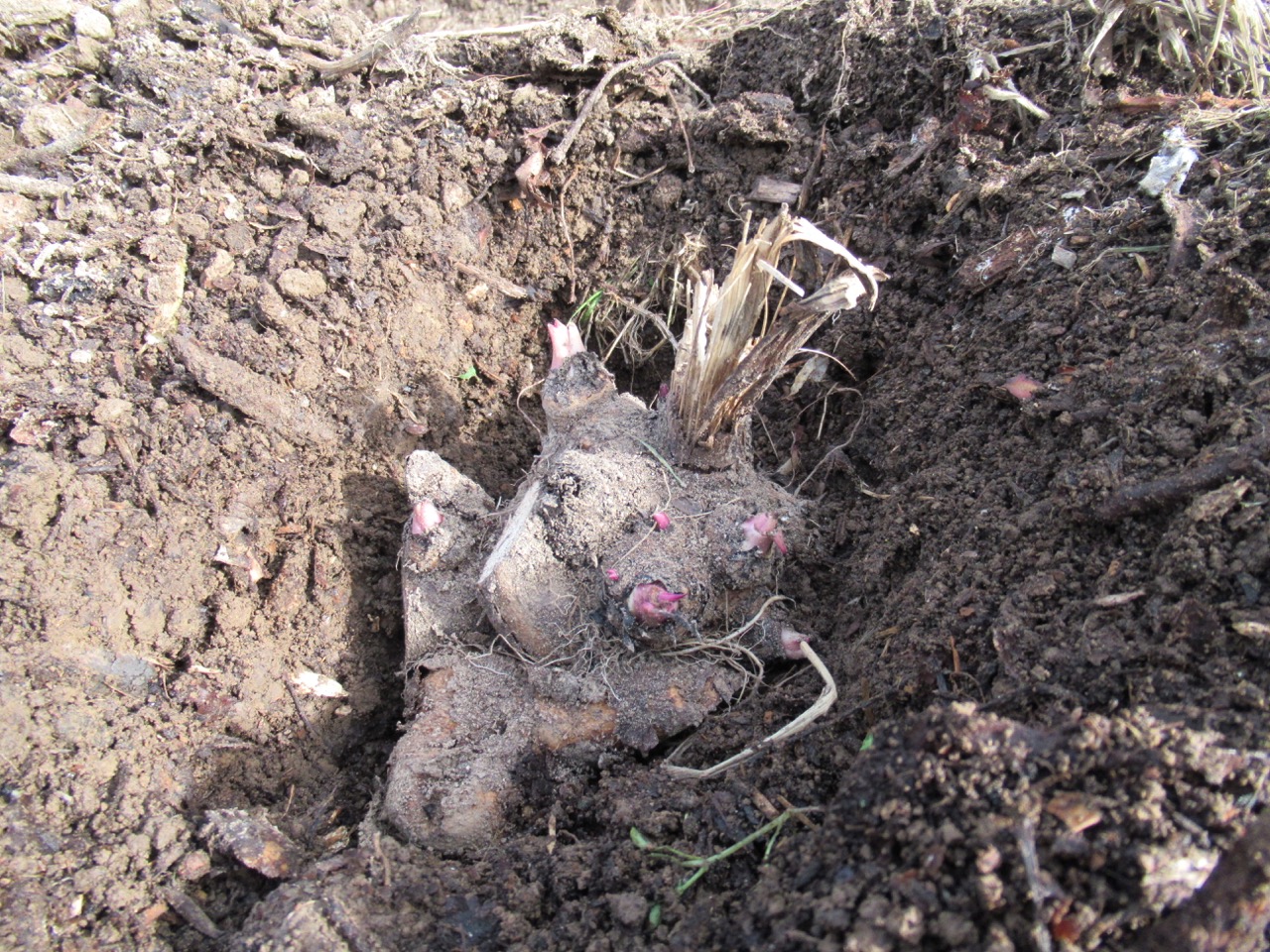
Roots are best harvested during dormancy after the second or third growing season when the foliage has completely died back and turned brown. Crown divisions can often provide a worthwhile harvest by their second year. The roots are large, fleshy, and deeply branching, often reaching depths of up to 60cm. To harvest, loosen the soil thoroughly around the plant using a fork or trenching spade before lifting the entire crown. At our farm we maintain separate beds on rotation, harvesting one bed each year while the next crop matures. This allows for an annual harvest of fresh roots while giving plants sufficient time to fully develop.
Soil often becomes compacted around the central crown where roots branch outward, so quartering the root crown before washing can make cleaning much easier. Wash roots thoroughly, then slice into smaller pieces before drying. Elecampane roots are relatively soft and easy to chop.
Dry roots at approximately 37–40°C with good airflow for 3–4 days, or until fully dry. Once dried, store roots whole in paper bags in a cool, dry place and mill only as needed for herbal preparations.
For internal use. Elecampane roots are commonly prepared as cough syrups, decoctions, tinctures, and oxymels. Dried roots are often soaked overnight before simmering into a decoction. Fresh roots can also be used immediately after harvest to prepare syrups for winter use, while a portion of the crop can be dried and stored for use later in the year when fresh roots are unavailable.
*This information is provided for educational purposes only and is not intended to diagnose, treat, cure, or prevent disease. Always consult a qualified and registered herbal practitioner before using medicinal herbs therapeutically.
Ingredients: live plant material to plant into your garden
Been sleeping over winter. But now has 3 huge leaves on it. So doing well.
I like having medicinal plants scattered throughout the garden, and this one lives in our 'beneficial insect bed'. Flowers might not be the prettiest, but the insects don't care. We purchased elecampane in 2021 and I'm currently waiting to see it come up for its second season. The original crown was large - bigger than a fist - and grew well in its first season. Glad to have this one around.
Although these were dormant when I purchased them, they are now growing happily in my garden. They look very healthy. Am looking forward to the pleasure of seeing the flowers and then harvesting them.<br /> Thankyou for packing and posting so efficiently.<br />
Last year I purchased an Elecampane Crown from you which grew really well.
Family: Asteraceae
Echinacea is one of the world's best-known medicinal herbs, traditionally valued for supporting a healthy immune system and helping the body respond to seasonal illness.*
These healthy 2–3 year old crowns are well established and ready to produce vigorous new growth and beautiful purple daisy-like flowers each summer. Simply plant into your garden upon arrival and enjoy this hardy perennial for many years to come.
Growing instructions, harvesting tips, and traditional herbal uses are provided below.
Family: Lamiaceae
Skullcap is a hardy perennial herb renowned for its calming and restorative properties. Native to North America, it produces masses of delicate blue-violet flowers in summer that are highly attractive to bees and other beneficial insects. It is one of the most valued herbs for supporting the nervous system and makes an excellent addition to any medicinal herb garden.*
Easy to grow and long-lived, Skullcap thrives in moist, fertile soil in full sun to partial shade. Once established, it returns year after year and provides abundant leafy growth for harvesting.
Your order includes three dormant rhizomes with growing buds, ready to plant. Growing instructions, harvesting advice, drying methods, and traditional medicinal uses can be found below.
White Ginger (Hedychium coronarium)
Family: Zingiberaceae
White Ginger, also known as Butterfly Ginger or Himalayan Ginger, is a striking perennial from the ginger family grown for its lush tropical foliage and highly fragrant white flowers. The blooms resemble delicate butterflies in flight and release a rich, sweet perfume often compared to gardenias, making it one of the most aromatic ornamental gingers.
Despite sometimes being mislabelled in trade (including in New Zealand), White Ginger is distinct from culinary galangal species. While its rhizomes are edible and carry a mild, ginger-like flavour, it is primarily grown as an ornamental and fragrant garden plant.
This vigorous plant produces large clumps of upright stems and spreads gradually via underground rhizomes, forming a bold, tropical presence in the garden. It thrives in moist to boggy soils and performs best in full sun to partial shade, especially where soil moisture is consistently high.
Your order includes one healthy plant, ready to establish and grow into a lush flowering clump. Growing instructions and care details are provided below.
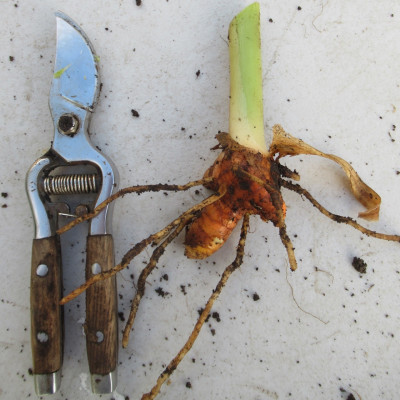
Currently unavailable for 2026. Due to an unusually cool and marginal growing season, our turmeric crop produced very little rhizome division this year. As a result, we will not have plants available for sale in 2026.
Expected availability: July 2027. Please sign up below to join the waiting list and be notified when plants become available again.
Turmeric (Curcuma longa)
Family: Zingiberaceae
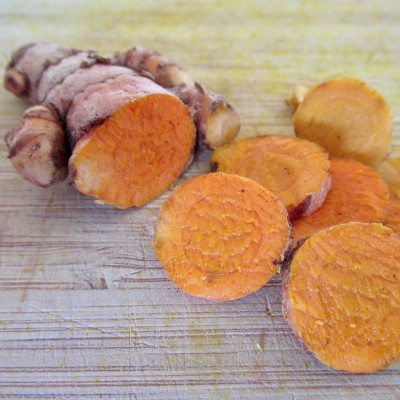
Turmeric is one of the world's most celebrated medicinal and culinary plants, prized for its vibrant golden rhizomes and long history of use in traditional herbal medicine. A close relative of ginger, it thrives in warm conditions and produces lush tropical foliage as well as highly valued underground rhizomes rich in curcuminoids—the compounds responsible for turmeric's distinctive colour and many of its researched health benefits.*
Widely used in curries, teas, tonics, and herbal preparations, turmeric has become a cornerstone of both traditional and modern wellness practices. Research continues to investigate its role in supporting healthy inflammatory responses, antioxidant activity, and overall wellbeing.
When available, each order includes one healthy turmeric crown, ready to establish and produce a new clump of rhizomes. Growing instructions, harvesting information, and culinary uses are provided below.
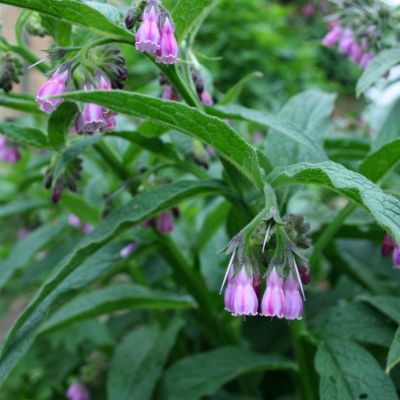
Russian Comfrey Crowns (Symphytum × uplandicum)
Russian comfrey is a highly valuable perennial for food forests, orchards, and organic garden systems. Known for its vigorous growth, deep root system, and ability to accumulate nutrients, it is widely used as a dynamic accumulator, compost ingredient, mulch plant, and natural garden fertiliser.
This hardy, low-maintenance plant produces abundant foliage that can be repeatedly harvested throughout the growing season and returned to the soil to support healthy plant growth. Once established, it forms a productive clump that returns year after year.
Each order includes 1 strong crown cutting with a growing tip. Plant directly into your garden over winter and it will emerge strongly in spring. Growing instructions and uses can be found below.
Chinese Artichoke / Crosnes (Stachys affinis)
Family: Lamiaceae
Chinese Artichokes, also known as Crosnes, are a delicious and unusual perennial root vegetable grown for their crisp, spiralled white tubers. Easy to grow and highly productive, they return year after year, producing abundant harvests from late autumn through winter.
The distinctive tubers resemble tiny grubs but are a gourmet delicacy with a wonderfully unique texture. Eaten raw, they are crisp, juicy, and slightly sweet, with a flavour reminiscent of water chestnuts. Cooked, they become tender, creamy, and subtly nutty, somewhere between a young potato, kūmara, and Jerusalem artichoke. In France, where they are known as Crosnes, they are traditionally braised in butter and fresh herbs—a simple preparation that beautifully highlights their delicate flavour.
Your order includes a starter pack of approximately five healthy tubers, ready for planting. Once established, the plants gradually multiply underground, providing increasingly generous harvests each year.
Chinese Artichokes are hardy, frost tolerant, and winter dormant, making them an excellent perennial vegetable for New Zealand gardens. Growing instructions, harvesting advice, and culinary tips are provided below.
True Peppermint Rhizomes (Mentha × piperita)
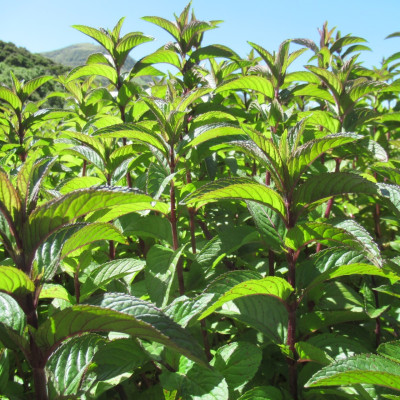
A true, high-quality peppermint selected for its strong, clean flavour and reliable vigour - distinct from common garden mints often sold under the same name. This is the same commercial strain grown at KoruKai Herb Farm and is rarely available through retail outlets.
Plants are supplied as dormant rhizomes with active growing tips, shipped nationwide during winter dormancy for easy establishment.
Frost tolerant and highly productive once established.
Peppermint dormant plant (see image below) is suitable for a 20 cm planter or pot and will have growing shoots in place.
Lemon Balm (Melissa officinalis)
Family: Lamiaceae
Common names: Lemon Balm, Balm Gentle
Lemon Balm is a vigorous, easy-to-grow perennial herb from the mint family, loved for its fresh citrus fragrance, soothing medicinal properties, and delicious flavour. Adaptable and generous, it thrives in a wide range of soil conditions and produces abundant growth throughout the season. With regular harvesting, we typically enjoy 3–4 cuts each year.
Lemon Balm dies down in winter. You will receive a dormant plant.
Below you’ll find growing instructions, medicinal uses, and herbal preparation ideas.
Rosemary (Salvia rosmarinus)
Family: Lamiaceae
Rosemary is a beautiful evergreen Mediterranean herb, treasured for its fragrant, needle-like leaves, stunning blue flowers, and wide range of culinary and medicinal uses. Hardy, drought tolerant, and long-lived, it makes an attractive addition to herb gardens, food forests, edible hedges, and pollinator plantings.
Flowering from late winter through spring, Rosemary provides an important early nectar source for honeybees and other beneficial insects when few other plants are in bloom. Its aromatic foliage is indispensable in the kitchen, pairing beautifully with roasted vegetables, potatoes, breads, lamb, poultry, and many Mediterranean dishes.
Your order includes one healthy bare-rooted seedling, ready to establish quickly in your garden or a large container. Growing instructions, harvesting advice, and traditional medicinal uses are provided below.
Earth Chestnut (Bunium bulbocastanum)
Family: Apiaceae
Common names: Earth Chestnut, Pignut, Great Pignut, Earthnut
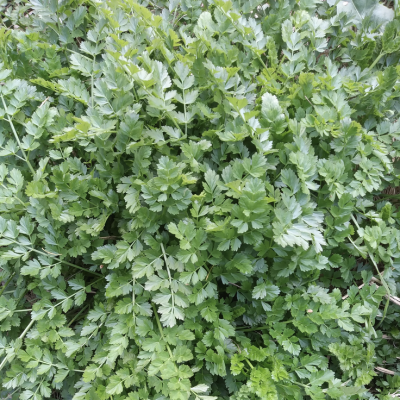
Earth Chestnut is a fascinating and productive perennial root vegetable, prized for its sweet, chestnut-flavoured tubers. Every part of the plant is edible—the small underground tubers can be eaten raw or cooked like potatoes, the delicate fern-like leaves have a fresh parsley-like flavour, and the aromatic seeds can be used as a substitute for cumin. A hardy and long-lived addition to the edible garden, Earth Chestnut is ideal for gardeners interested in unusual perennial food crops.
You will receive a healthy seedling with roots and young shoots (see images below). Plant it into its permanent position as soon as it arrives, and it will establish over winter before producing fresh growth in spring. Growing instructions, harvesting tips, and culinary uses are provided below.
Valerian Crowns (Valeriana officinalis)
Valerian is a well-known medicinal herb traditionally used to support restful sleep and help with insomnia.*
Each order includes 1 healthy valerian crown cutting with a growing tip. Plant directly into your garden over winter and it will emerge again in spring. See photos below for examples of the growing tips.
Organically grown at KoruKai Herb Farm without synthetic fertilisers, pesticides, or herbicides.
Lady’s Mantle (Alchemilla vulgaris)
Family: Rosaceae
Common names: Lady’s Mantle
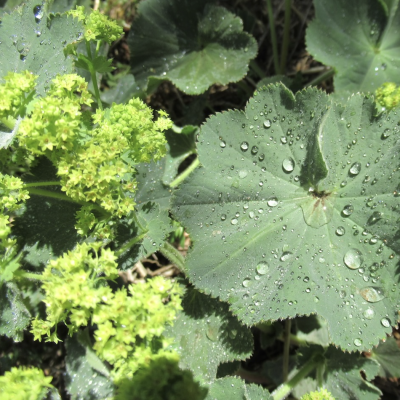
Lady’s Mantle is a beautiful, hardy perennial herb cherished for its soft scalloped leaves, delicate chartreuse flowers, and long history of use in women’s herbal medicine. Known for its astringent and toning qualities, it is especially valued for supporting menstrual health, digestion, and wound healing. Easy to grow and highly ornamental, it thrives in a wide range of garden conditions and makes an elegant addition to the herb garden.
Below you’ll find growing instructions, medicinal uses, and herbal preparation ideas.
Lady's Mantle dies down in winter. You will receive a dormant plant without leaves, but with growing shoots in place.
Woundwort (Stachys sylvatica)
Family: Lamiaceae
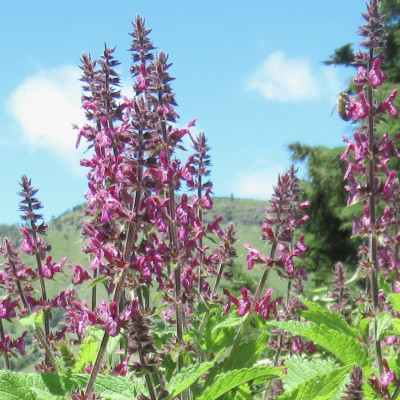
Woundwort is a hardy woodland perennial from the mint family with a long history of use as a traditional first-aid herb. For centuries it has been valued for supporting the healing of cuts, wounds, bruises, and skin irritations, earning its common name through generations of herbal use. In summer, it produces elegant spikes of deep purple flowers that are highly attractive to bees and other beneficial pollinators, while its lush green foliage makes an excellent addition to woodland gardens and food forests.
Your order includes 3 dormant plants with healthy growing tips, ready to establish quickly and send up vigorous new growth in spring. Please see the photos and growing information below.
Skirret (Sium sisarum)
Skirret is a traditional European perennial root vegetable that was widely grown from medieval times through to the 19th century, valued for its sweet, clustered roots. Often referred to in old texts as a “sugar root,” it produces slender, finger-like roots that are sweeter and more aromatic than carrots when cooked.
The flavour is gently sweet, nutty, and floral, with a soft, creamy texture when roasted, boiled, or pan-fried. At KoruKai Herb Farm, we especially enjoy it simply sautéed in butter, where its natural sweetness really shines.
Skirret forms a clump of multiple edible roots from a single crown, making it a productive and rewarding perennial vegetable for the home garden. Once established, plants improve in yield each year as the root system expands.
Your order includes a healthy seedling with developing storage roots and shoots (see sample image below). Plant it directly into the garden on arrival and it will establish quickly, re-emerging strongly in spring.
Growing instructions and care details are provided below.
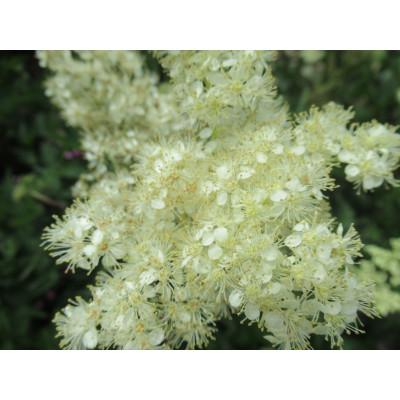
Meadowsweet (Filipendula ulmaria)
Family: Rosaceae
Common names: Meadowsweet, Mead Wort
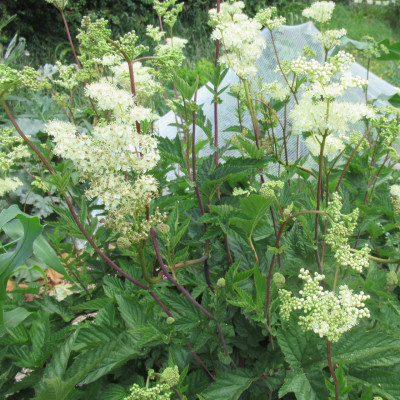
A beautiful, hardy perennial herb treasured for both its elegant creamy-white flower heads and its long history of traditional herbal use. Meadowsweet thrives in moist soils and produces masses of sweetly scented flowers that attract bees and other beneficial insects throughout summer.
Order is for 1 healthy dormant crown, carefully divided during winter dormancy. Meadowsweet divides exceptionally well, giving us an excellent re-establishment rate. Simply plant it into your garden upon arrival and enjoy many years of abundant growth.
Growing instructions, harvesting tips, and traditional herbal uses are provided below.
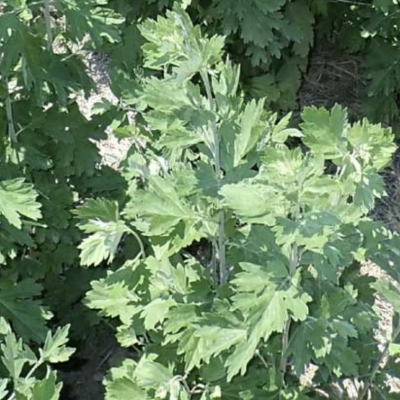
Yomogi (Artemisia princeps)
Family: Asteraceae
Yomogi, also known as Japanese Mugwort, is one of Japan's most treasured perennial herbs, valued for centuries as both a nourishing spring vegetable and an important medicinal plant. The tender young shoots have a pleasant, aromatic flavour and are traditionally used in herbal teas, soups, tempura, and the famous green yomogi mochi (rice cakes).
Easy to grow, hardy, and highly productive, Yomogi spreads by underground rhizomes to form lush clumps that return year after year. It thrives in full sun to partial shade and is well suited to gardens throughout New Zealand.
Yomogi dies down in winter. Your order includes one healthy bare-rooted plant with growing shoots, ready to establish quickly in your garden once temperatures warm up.
Growing instructions, harvesting advice, culinary uses, and traditional medicinal information are provided below.