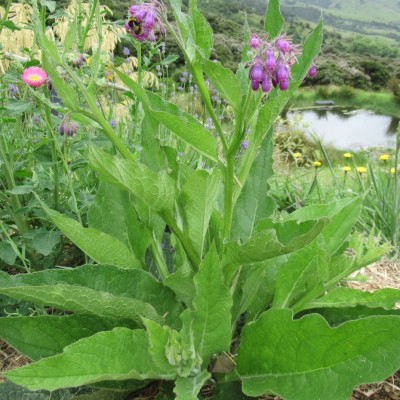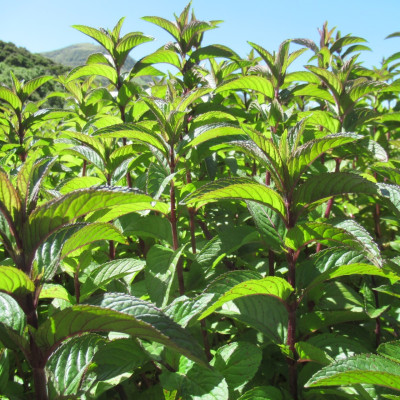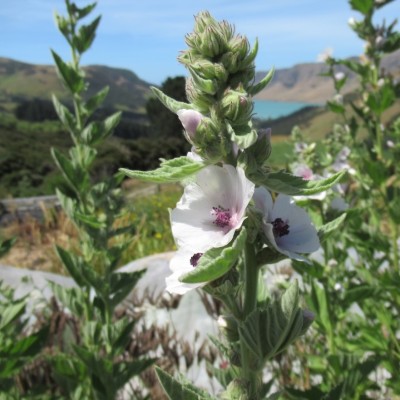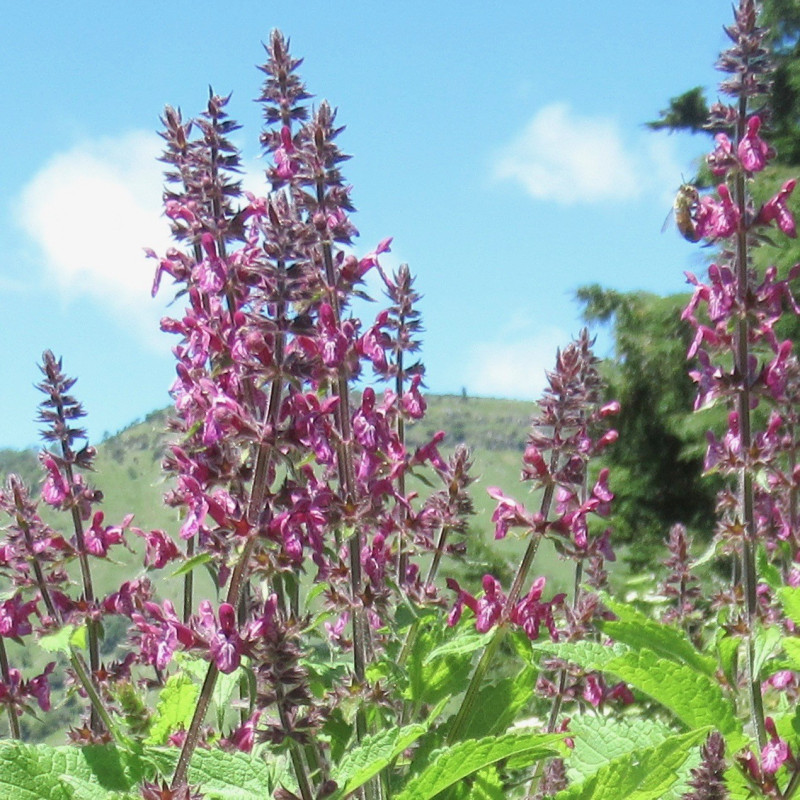


Woundwort (Stachys sylvatica)
Family: Lamiaceae
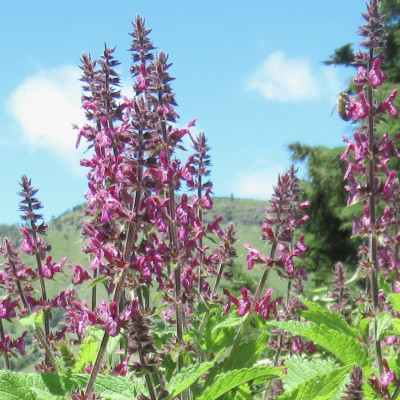
Woundwort is a hardy woodland perennial from the mint family with a long history of use as a traditional first-aid herb. For centuries it has been valued for supporting the healing of cuts, wounds, bruises, and skin irritations, earning its common name through generations of herbal use. In summer, it produces elegant spikes of deep purple flowers that are highly attractive to bees and other beneficial pollinators, while its lush green foliage makes an excellent addition to woodland gardens and food forests.
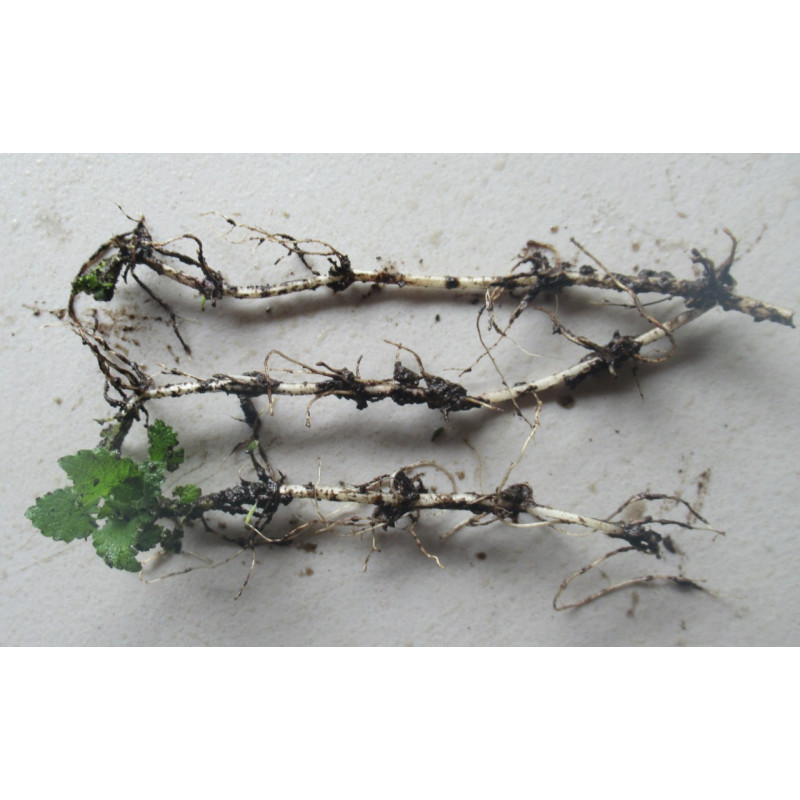
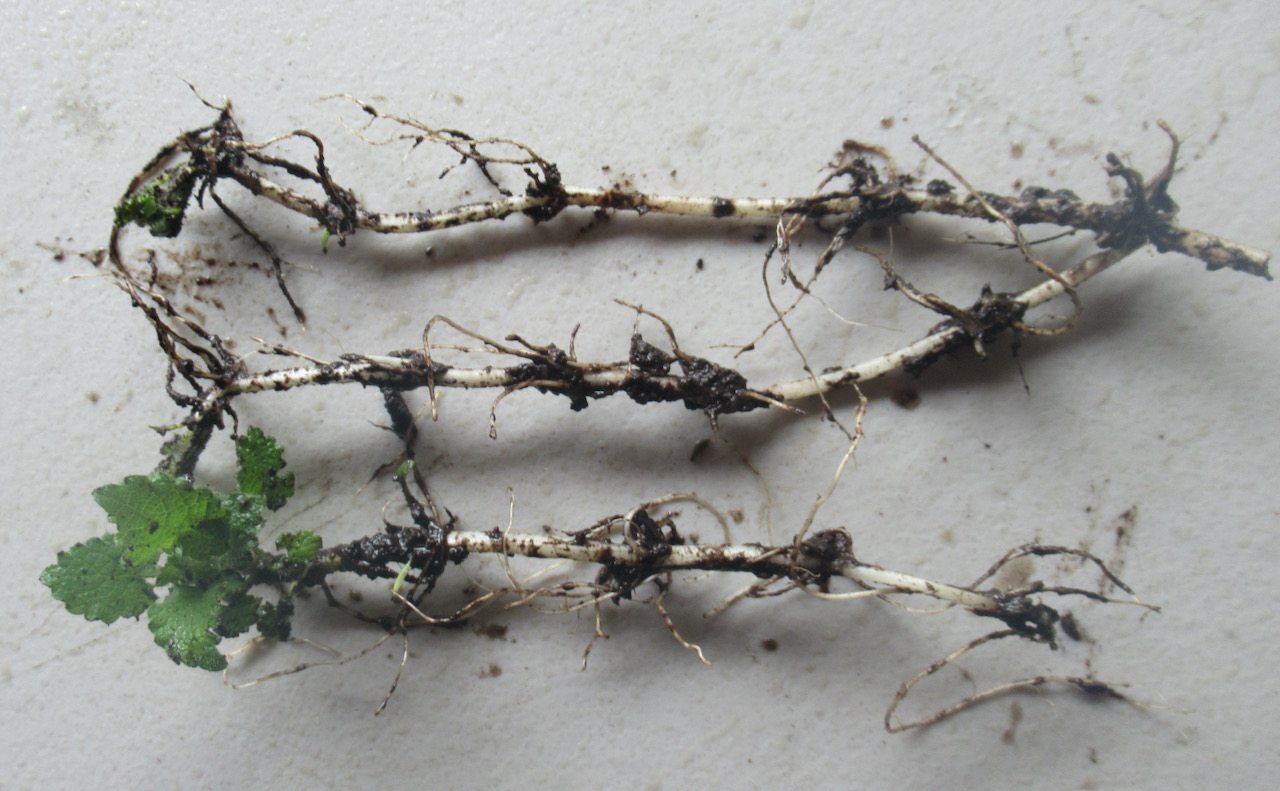
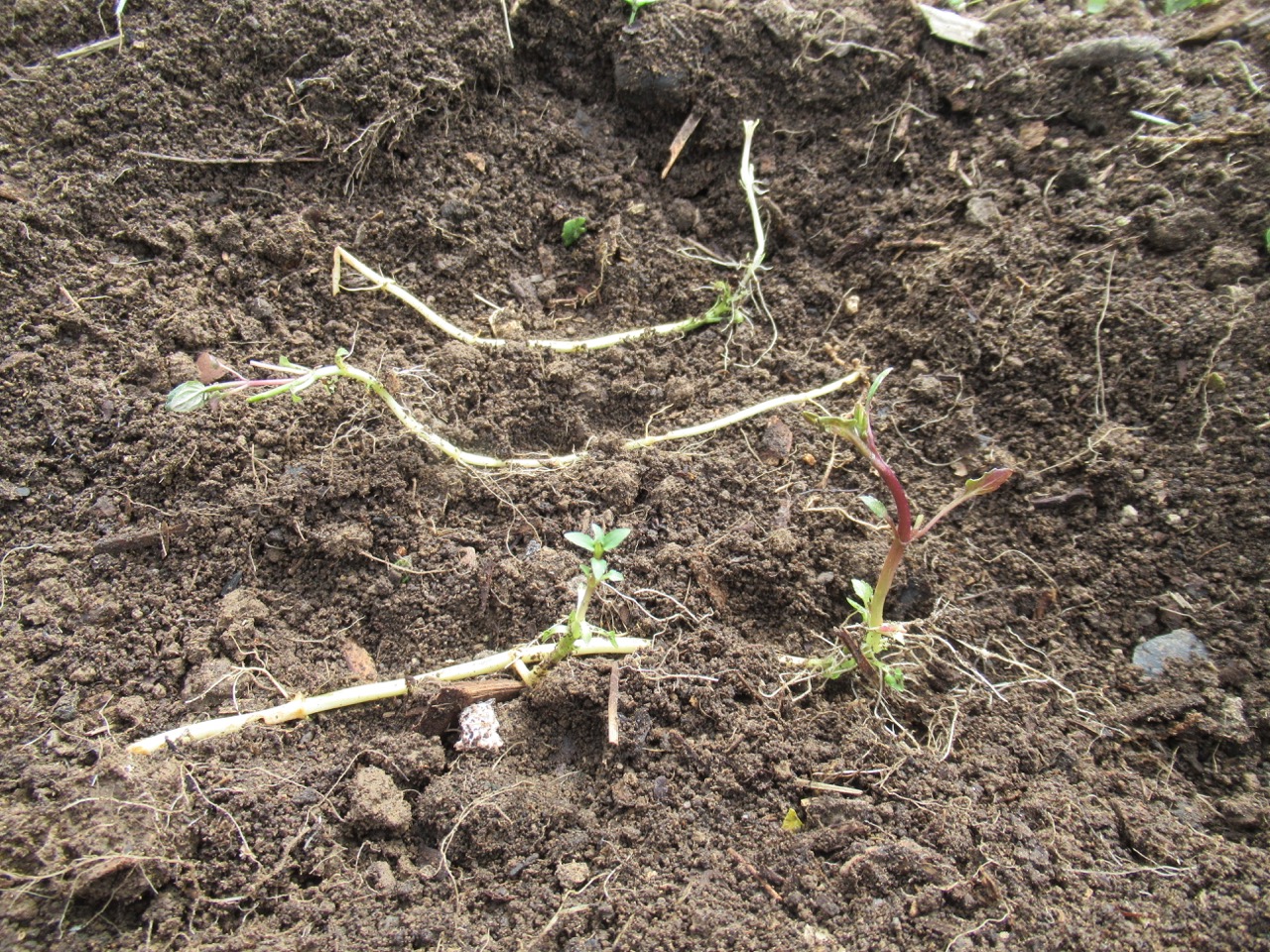
Your order includes 3 dormant plants with healthy growing tips, ready to establish quickly and send up vigorous new growth in spring. Please see the photos and growing information below.
 Security policy
Secure credit card, bank transfer or POLi payment!
 Delivery policy
Proudly support NZ Post/CourierPost!
 Return policy
We exchange or refund if you are not happy!

Guarantee safe & secure checkout
Organically grown at KoruKai Herb Farm, New Zealand, without the use of pesticides, herbicides, or other agrochemicals.
Woundwort is a hardy perennial woodland herb from the mint family with a long and respected history in European herbal medicine. Its common name reflects its traditional role as one of the classic herbs for treating cuts, bruises, and wounds. With its lush green foliage and elegant spikes of deep purple flowers, it is both a valuable medicinal plant and an excellent addition to woodland gardens, food forests, and pollinator plantings.
Flowering from early to mid-summer, Woundwort is a rich nectar source for honeybees, bumblebees, and many other beneficial insects, making it a wonderful biodiversity plant.
You will get 3 dormant plants with growing tips (see image below).
Woundwort has been valued for centuries as a traditional first-aid herb. Fresh leaves were commonly applied as poultices to cuts, grazes, bruises, and minor wounds to help stop bleeding and support the body's natural healing process. The renowned seventeenth-century herbalists Nicholas Culpeper and John Gerard both praised the herb. Culpeper described Woundwort as "inferior to none" for treating wounds and injuries, while Gerard regarded it as one of the finest herbs available for healing damaged tissues.
Traditionally, Woundwort has also been used internally as a gentle nervine, helping to calm nervous tension, ease muscle spasms, and promote relaxation. Herbal ointments prepared from the leaves have long been used to soothe aching muscles and joints.
A traditional tea made from the flowers was said to "make the heart merry, give a good colour to the face, and refresh the vital spirits," reflecting its long-standing reputation as a restorative herb.
The young leaves and flowers are also edible and make an excellent addition to salads, bringing both flavour and beauty to the plate.
Woundwort is an exceptionally easy and rewarding perennial to grow. It thrives in partial shade through to full sun, preferring fertile, moisture-retentive soil enriched with plenty of compost and organic matter. It performs particularly well in woodland gardens, along stream edges, beneath deciduous trees, or in other areas where the soil remains reasonably moist throughout summer.
Before planting, prepare the site by incorporating compost into the soil and applying a generous layer of mulch. Autumn is an ideal time to prepare the planting area before winter planting.
Your order includes three dormant rhizomes with healthy growing shoots.
Plant into loose, well-drained loam in a sheltered position. Gently scrape away approximately 3 cm of soil and lay the roots horizontally, ensuring that any visible growing tips face upward. Cover with 3–5 cm of soil and finish with a light mulch of woodchips, straw, or autumn leaves. Mark the planting position carefully. Newly planted roots can occasionally attract curious birds, so placing a few branches over the area or covering it with bird netting will help prevent disturbance while the plants establish.
If you cannot plant immediately, or if the ground is frozen, pot the roots into moist, compost-rich potting mix and keep them lightly watered until conditions allow planting outdoors. Follow the same shallow planting method when transplanting.
New shoots usually emerge between September and November, depending on your local climate and soil temperature.
Once established, Woundwort spreads steadily through underground rhizomes, forming an attractive carpet of living roots within a few years. In consistently damp soils it can spread enthusiastically, making an excellent living groundcover. Where space is limited, it can also be grown successfully in large containers.
Harvest Woundwort during the early stages of flowering, when its aromatic and medicinal qualities are at their peak.
At KoruKai Herb Farm, we harvest in the cool of the morning before the heat of the day reduces the quality of the leaves. Using a sharp harvesting knife or secateurs, cut the stems while leaving approximately 20 cm of growth so the plant can recover quickly. Avoid cutting too low, as removing too much foliage can slow regrowth or trigger early dormancy.
Healthy plants will branch from the highest remaining leaf nodes and usually produce a second harvest later in the season. During the first year, harvest lightly and avoid disturbing the developing root system.
Spread the harvested stems and leaves in a single layer on drying trays with good airflow and out of direct sunlight. Dry at 33–35°C until most of the moisture has been removed. We dry Woundwort on the lower shelves of our drying room where temperatures remain slightly cooler, producing beautifully coloured, aromatic herbs within one to three days.
Once the leaves have partially dried, increase the temperature to no more than 37°C to complete the drying process. The leaves and flowers should become crisp while retaining their colour and aroma.
Strip the leaves and flowers from the stems and store them in paper bags or airtight containers in a cool, dry, dark place. Ensure the herb is completely dry before storage or before infusing it into oil.
The leaves and flowering tops can be prepared as herbal teas, tinctures, infused oils, salves, ointments, and poultices. Fresh leaves have traditionally been applied directly to minor cuts and bruises, while infused oils make an excellent base for skin-healing balms. The young leaves and flowers are also delicious fresh in salads, adding another dimension to this versatile medicinal plant.
*This information is for educational purposes only and is not intended to diagnose, treat, cure, or prevent any disease. Always consult a qualified healthcare practitioner or registered herbalist before using medicinal herbs therapeutically.
Available again in July 2026. Sign up below to go onto the waiting list.
Meadow Arnica (Arnica chamissonis)
Common names: arnica, meadow arnica
Creeping alpine herbaceous perennial.
This plant have been grown organically at KoruKai Herb Farm, Banks Peninsula. Free from synthetic fertiliser, pesticides and herbicides.
You will get 3 dormant root pieces. Please find growing information and a picture below.
Sorrel (Rumex acetosa)
Family: Polygonaceae
Common names: Sorrel, Garden Sorrel, Lemon Sorrel
Sorrel is a hardy, long-lived perennial vegetable prized for its vibrant green leaves and distinctive fresh, lemony flavour. One of the first edible greens to emerge in spring, it provides an abundant harvest over many months and is delicious in salads, soups, sauces, omelettes, quiches, and pesto. Easy to grow and remarkably productive, Sorrel quickly forms generous clumps that can be divided every few years to create new plants.
Your Sorrel is supplied as a dormant root division during winter, with little or no foliage visible at the time of purchase. Simply plant it into the garden or a pot, and as the soil warms in spring it will send up vigorous new shoots.
During the first season, harvest lightly to allow the plant to establish a strong root system, and remove flower stalks as they appear to encourage continuous leaf production. After around a year, the clump can be lifted and divided to propagate additional plants and keep it growing vigorously for many years.
Available again in July 2026. Sign up below to go onto the waiting list.
Mashua (Tropaeolum tuberosum)
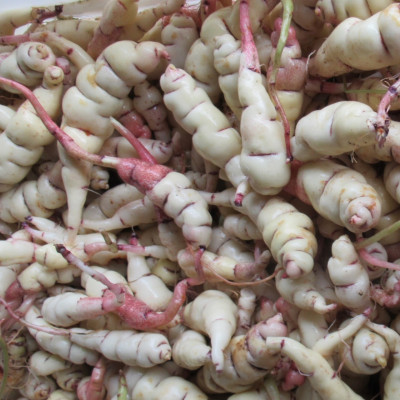
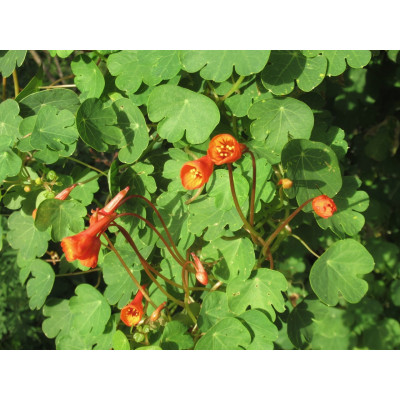
Mashua (pronounced Mah-shwuh) is an Andean tuber. A relative of the garden nasturtium, Mashua is one of the highest-yielding, and easiest-to-grow of the Andean tubers, and most resistant to cold. It also repels many insects, nematodes, and other pathogens, thus making it a valuable plant to intercrop with other species. The tubers about the size of small potatoes or big yams.
Mashua is high-yielding, even under conditions of almost no management. Even the leaves are edible!
You will receive 2 medium tubers or 1 large one (see image below).
Simply plant into your garden as soon as you receive it and watch it emerge in spring. Growing tips are below.
Wormwood (Artemisia absinthium)
Family: Asteraceae
Common names: Wormwood, Absinthe Wormwood, Green Ginger
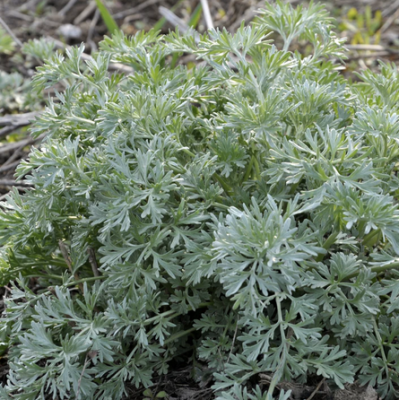
Wormwood is a hardy, aromatic perennial herb prized for its striking silvery foliage, intense bitterness, and powerful medicinal properties. Traditionally used as a digestive tonic and vermifuge, it is one of the classic bitter herbs of Western herbal medicine. Easy to grow and drought tolerant once established, Wormwood thrives in poor soils and makes a beautiful structural plant in the herb garden.
Wormwood dies down in winter. You will receive a dormant crown with established shoots.
Below you’ll find growing instructions, medicinal uses, and herbal preparation ideas.
Available again in July 2026. Sign up below to go onto the waiting list.
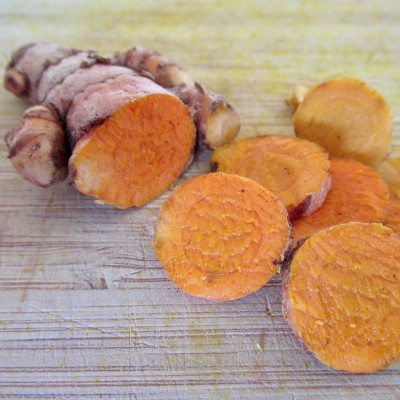
Curcuma longa
Family: Zingiberaceae
Turmeric is one amazing plant with numerous health benefits. Here an extract: "An M.D. Anderson Cancer Centre review of curcumin research, in the journal Phytotherapy Research in 2014, found that it regulates inflammation that "plays a major role in most chronic illnesses, including neurodegenerative, cardiovascular, pulmonary, metabolic, autoimmune and neoplastic diseases."
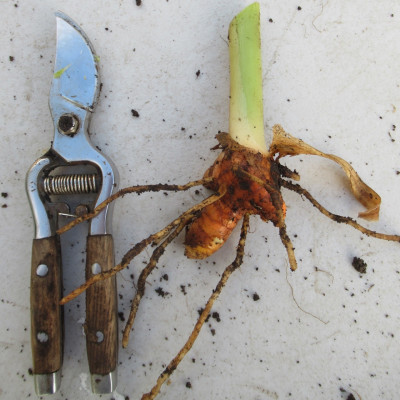
Order is for 1 small crown.
Evergreen Dwarf Comfrey (Symphytum grandiflorum)
Family: Boraginaceae
Common names: Dwarf Comfrey, Creeping Comfrey
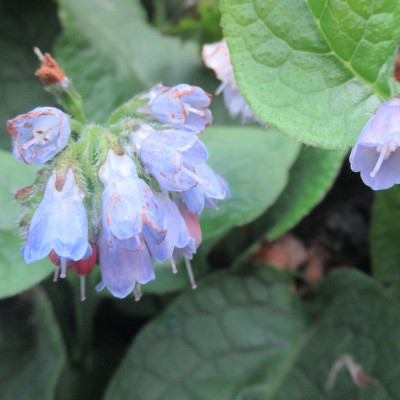
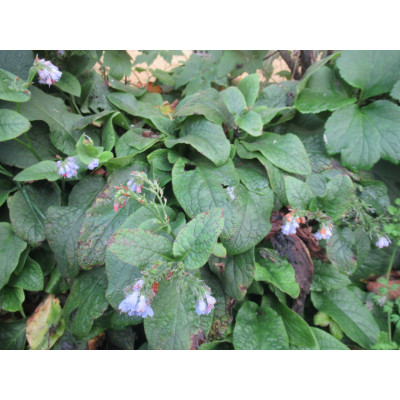
Evergreen Dwarf Comfrey is a low-growing, spreading perennial valued for its lush evergreen foliage, early nectar-rich flowers, and exceptional usefulness as a living mulch and groundcover. Unlike Medicinal Comfrey, this smaller species is primarily grown for its ecological and soil-building benefits, helping to suppress weeds, protect soil, and feed beneficial insects. Hardy, resilient, and easy to grow, it is an excellent addition to food forests, orchards, and regenerative gardens.
Due to its smaller size and more compact growth than regular comfrey it is ideal for smaller gardens, urban environments and small food forests. It makes an excellent border plant and ground cover and does well planted around fruit trees.
Can be grown throughout New Zealand. Frost tolerant.
Below you’ll find growing instructions, uses, and harvesting ideas.
Order is for 1 plant, bare rooted.
Available again in July 2026. Sign up below to go onto the waiting list.
Skullcap (Scutellaria lateriflora)
Family: Lamiaceae
This plant have been grown organically at KoruKai Herb Farm, Banks Peninsula. Free from synthetic fertiliser, pesticides and herbicides.
You will get 3 dormant root pieces. Please find growing information and photos below.
Available again in July 2026. Sign up below to go onto the waiting list.
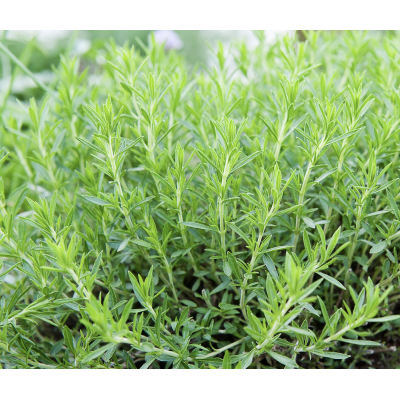
Artemisia dracunculus var. sativa
Family: Asteraceae
Aromatic and flavoursome herb, narrow green foliage with tiny yellow flowers in summer. Use fresh or dried. Delicious in hollandaise, bearnaise and tartar sauces.
Height in summer: 30-40cm
You will receive a dormant plant in its first year with visible shoots with no or very little leaves (plant is dormant in winter, see example photo below). It will emerge in spring and grow into a lush plant. Prune to create a bushy appearance.
Growing instructions are below.
Myoga (Zingiber mioga)
Family: Zingiberaceae
Common names: Myoga, Japanese Ginger, Mioga
Myoga is a beautiful, hardy perennial ginger grown for its edible flower buds rather than its roots. It produces lush tropical-looking foliage throughout summer, followed by striking pink and cream flower buds that emerge at ground level in late summer and autumn. Harvested just before they open, these tender buds have a delicate, aromatic flavour with hints of ginger and citrus. They are delicious eaten raw, pickled, or lightly sautéed, adding a fresh, zesty flavour to salads, stir-fries, soups, and traditional Japanese dishes.
Your order includes 1–2 dormant rhizomes (depending on size), each with healthy, well-developed growth buds ready to produce vigorous new shoots in spring (see sample image below). You will receive either one large rhizome or two to three smaller rhizomes of equivalent size.
Medicinal Comfrey (Symphytum officinale)
Family: Boraginaceae
Common names: Comfrey, Common Comfrey, Knitbone
Medicinal Comfrey is a deep-rooted, hardy perennial herb renowned for its powerful healing properties and exceptional ability to build soil fertility. Traditionally known as “knitbone,” it has long been used to support tissue repair, bruising, sprains, and wound healing. Fast-growing and highly productive, Comfrey is an invaluable medicinal herb as well as a nutrient-rich mulch plant for the garden.
Below you’ll find growing instructions, medicinal uses, and herbal preparation ideas.
You will receive one dormant crown with a growing tip.
Multiplying Spring Onions (Allium schoenoprasum)
Family: Amaryllidaceae
Easy-care Multiplying Spring Onions, also known as Giant Chives, are one of the most productive perennial vegetables you can grow. Hardy, reliable, and long-lived, they form ever-expanding clumps that return year after year with almost no maintenance.
Enjoy a continuous harvest of crisp, mild-flavoured spring onions from September through to May. Simply harvest the largest stems as needed while leaving the smaller ones to continue growing. Each year the clumps become larger and more productive, providing an increasingly abundant supply without the need for repeated sowing, transplanting, or thinning.
Ideal for kitchen gardens, raised beds, food forests, and permaculture systems, Multiplying Spring Onions are frost hardy, easy to divide, and excellent for sharing with friends or expanding your own planting.
Your order includes a healthy starter clump, ready to establish quickly and provide years of reliable harvests. Planting instructions, growing tips, and harvesting advice are provided below.
True Peppermint Dormant Bare Root Cuttings (Mentha × piperita)
Available again in July 2026. Sign up below to join the waiting list.
A true, high-quality peppermint selected for its strong, clean flavour and reliable vigour - distinct from common garden mints often sold under the same name. This is the same commercial strain grown at KoruKai Herb Farm and is rarely available through retail outlets.
Plants are supplied as dormant bare-root cuttings with active growing tips, shipped nationwide during winter dormancy for easy establishment.
Frost tolerant and highly productive once established.
Peppermint dormant plant (see image below) is suitable for a 20cm planter or pot and will have growing shoots in place.
Apple Mint (Mentha suaveolens)
Family: Lamiaceae
Common names: Apple Mint, Woolly Mint, Fuzzy Mint
Apple Mint is a wonderfully fragrant and easy-to-grow perennial herb, loved for its soft, velvety leaves and refreshing apple-mint flavour. Delicious in herbal teas, iced drinks, desserts, fruit salads, and savoury dishes, it is one of the most versatile mints for the kitchen. Its sweet aroma, attractive foliage, and nectar-rich flowers also make it a favourite with bees and other beneficial pollinators.
Your plant is supplied bare-rooted to ensure it arrives in excellent condition. Simply plant it into a pot or directly into the garden on arrival, water well for the first few days, and it will quickly establish into a vigorous, productive herb. Growing instructions, harvesting tips, and culinary uses are provided below.
Valerian Crowns (Valeriana officinalis)
Valerian is a well-known medicinal herb traditionally used to support restful sleep and help with insomnia.*
Each order includes 1 healthy valerian crown cutting with a growing tip. Plant directly into your garden over winter and it will emerge again in spring. See photos below for examples of the growing tips.
Organically grown at KoruKai Herb Farm without synthetic fertilisers, pesticides, or herbicides.
Elecampane Crowns (Inula helenium)
Available again in July 2026. Sign up below to join the waiting list.
Elecampane is a striking medicinal perennial traditionally valued for supporting respiratory health and herbal wellness practices.*
Each order includes 1 healthy elecampane crown with active growing tip(s) (see images below). Simply plant into your garden over winter and watch it emerge vigorously in spring.
Under good growing conditions, a single plant can often be lifted and divided the following winter, producing approximately 3–6 new plants within a year.
Organically grown at KoruKai Herb Farm without synthetic fertilisers, pesticides, or herbicides.
Marshmallow Crowns (Althaea officinalis)
Available again in July 2026. Sign up below to join the waiting list.
Marshmallow is a traditional medicinal herb valued for its soothing properties. The leaves and roots have historically been used to support inflammation and irritation of the respiratory, digestive, and urinary systems, including dry coughs, stomach irritation, and urinary tract discomfort.*
Each order includes 1 healthy marshmallow crown cutting with a growing tip. Simply plant into your garden over winter and watch it emerge vigorously in spring. Examples of growing tips are shown below.
Organically grown at KoruKai Herb Farm without synthetic fertilisers, pesticides, or herbicides.