

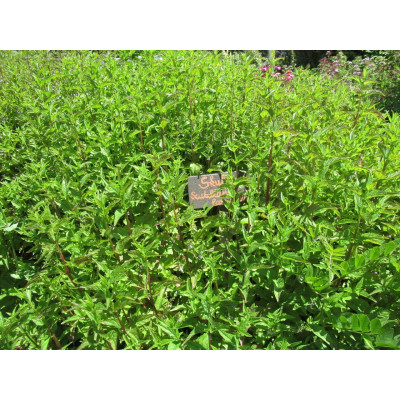


Family: Lamiaceae
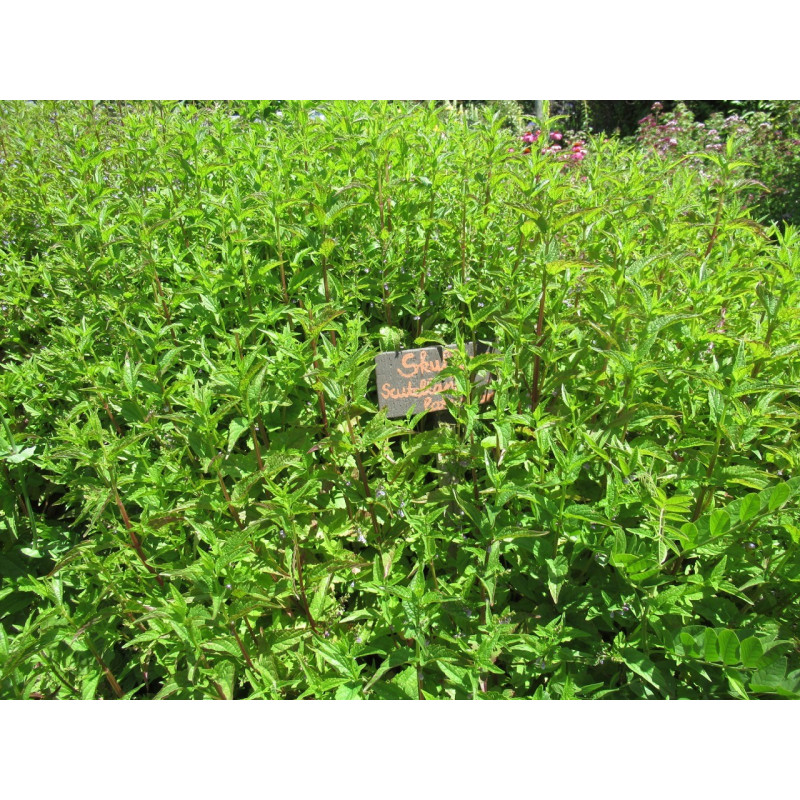
Skullcap is a hardy perennial herb renowned for its calming and restorative properties. Native to North America, it produces masses of delicate blue-violet flowers in summer that are highly attractive to bees and other beneficial insects. It is one of the most valued herbs for supporting the nervous system and makes an excellent addition to any medicinal herb garden.*
Easy to grow and long-lived, Skullcap thrives in moist, fertile soil in full sun to partial shade. Once established, it returns year after year and provides abundant leafy growth for harvesting.
Your order includes three dormant rhizomes with growing buds, ready to plant. Growing instructions, harvesting advice, drying methods, and traditional medicinal uses can be found below.
 Security policy
Secure credit card, bank transfer or POLi payment!
 Delivery policy
Proudly support NZ Post/CourierPost!
 Return policy
We exchange or refund if you are not happy!

Guarantee safe & secure checkout
Organically grown at KoruKai Herb Farm, New Zealand, without the use of synthetic fertilisers, pesticides, or herbicides.
Skullcap is one of the finest herbs for nourishing and restoring the nervous system. Native to North America, this graceful perennial produces slender stems topped with delicate blue-violet flowers throughout summer. It is highly attractive to bees and other beneficial insects while providing an abundant harvest of medicinal leaves and flowering tops.
Easy to grow and exceptionally rewarding, Skullcap spreads slowly by underground rhizomes to form lush clumps that return reliably year after year.
Skullcap has long been regarded as one of the premier nervine herbs, valued for its ability to calm, nourish, and restore the nervous system.
Traditionally it has been used to support:
Unlike stronger sedative herbs, Skullcap gently calms while helping to restore balance and resilience. It has traditionally been taken as both a tea and tincture over extended periods to strengthen an exhausted nervous system, while also being used during times of acute stress to encourage a sense of calm and equilibrium.
It is considered one of the gentlest nervine herbs and has traditionally been used by both adults and children under appropriate guidance.
Skullcap is a hardy perennial that thrives in rich, moisture-retentive soil with plenty of organic matter.
It grows best in full sun to partial shade, although afternoon shade is appreciated in hotter districts. Consistent soil moisture produces the healthiest plants and highest yields, making Skullcap an excellent choice for damp areas of the garden, alongside ponds, or anywhere that receives regular irrigation.
Before planting, enrich the soil with generous amounts of compost and mulch well to retain moisture and encourage healthy soil biology.
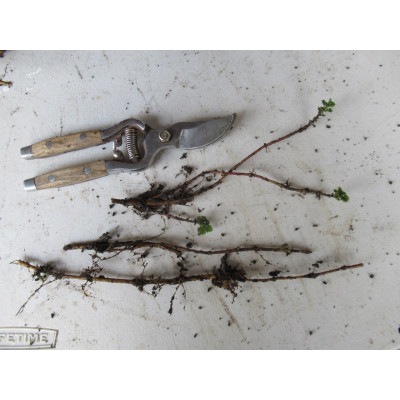
Each order contains three dormant rhizomes with healthy growing buds. Plant the rhizomes as soon as possible after receiving them. Prepare loose, compost-rich soil and scrape away approximately 3 cm of soil. Lay each rhizome horizontally with any visible growing buds facing upwards.
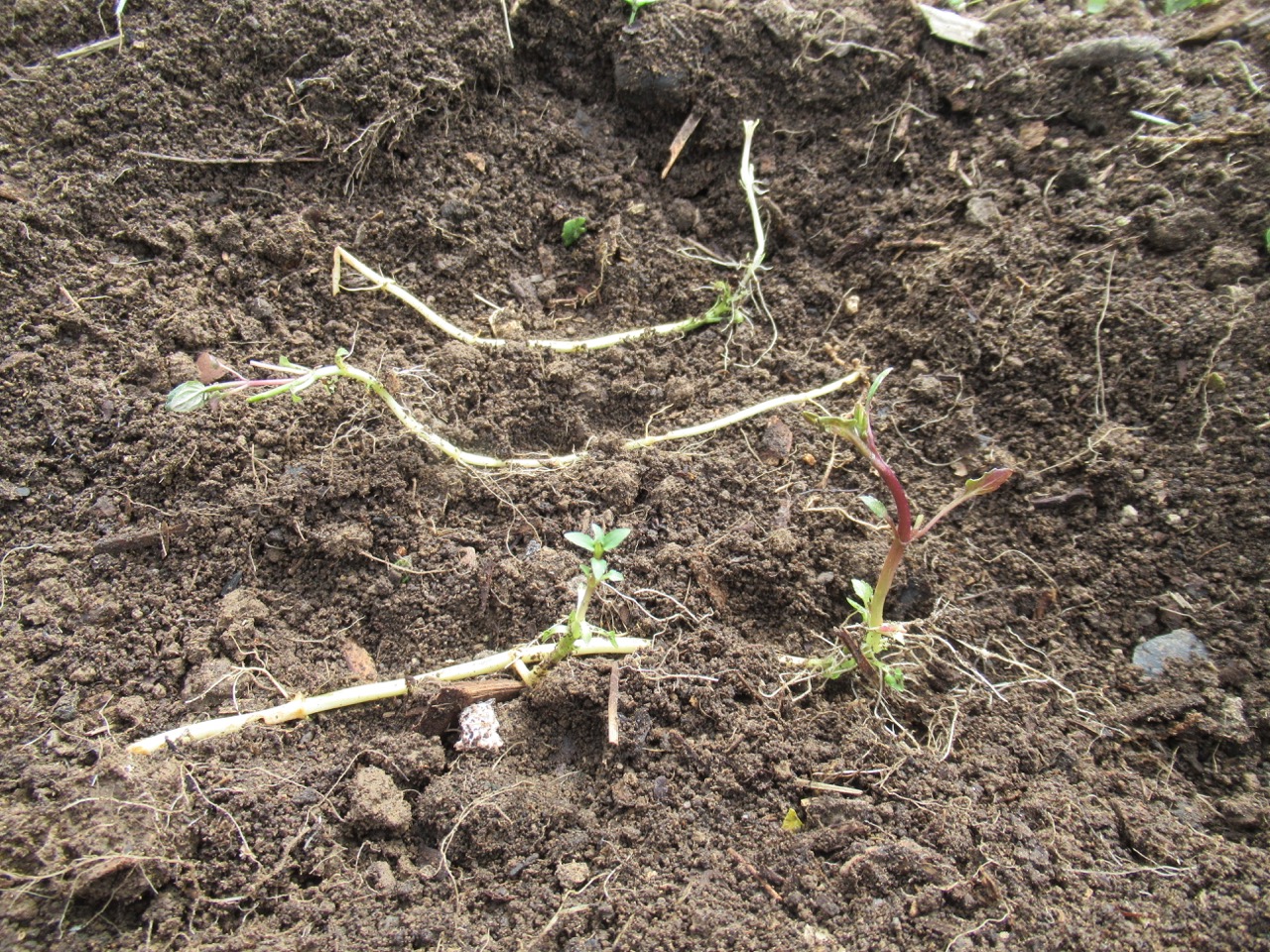
Depending on the time of the year those tips can simply get buried if they look like the one in the below image. It will push its way through the soil in spring.
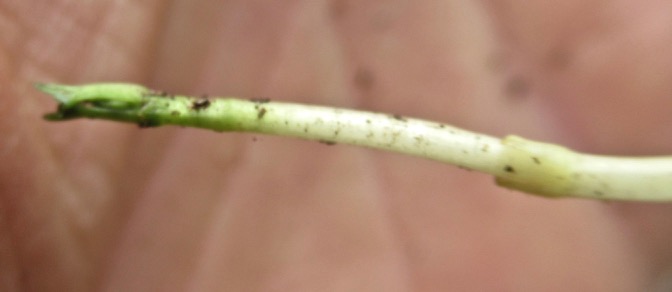
Cover with 3–5 cm of soil and apply a light mulch of straw, autumn leaves, or woodchips.
Water thoroughly after planting and keep the soil evenly moist during establishment.
If you are unable to plant immediately, or if your ground is frozen, pot the rhizomes into rich potting mix, keep them moist, and transplant them into the garden once conditions improve.
Mark the planting area and protect it with bird netting or a few small branches until the shoots emerge, as birds often enjoy scratching freshly planted beds.
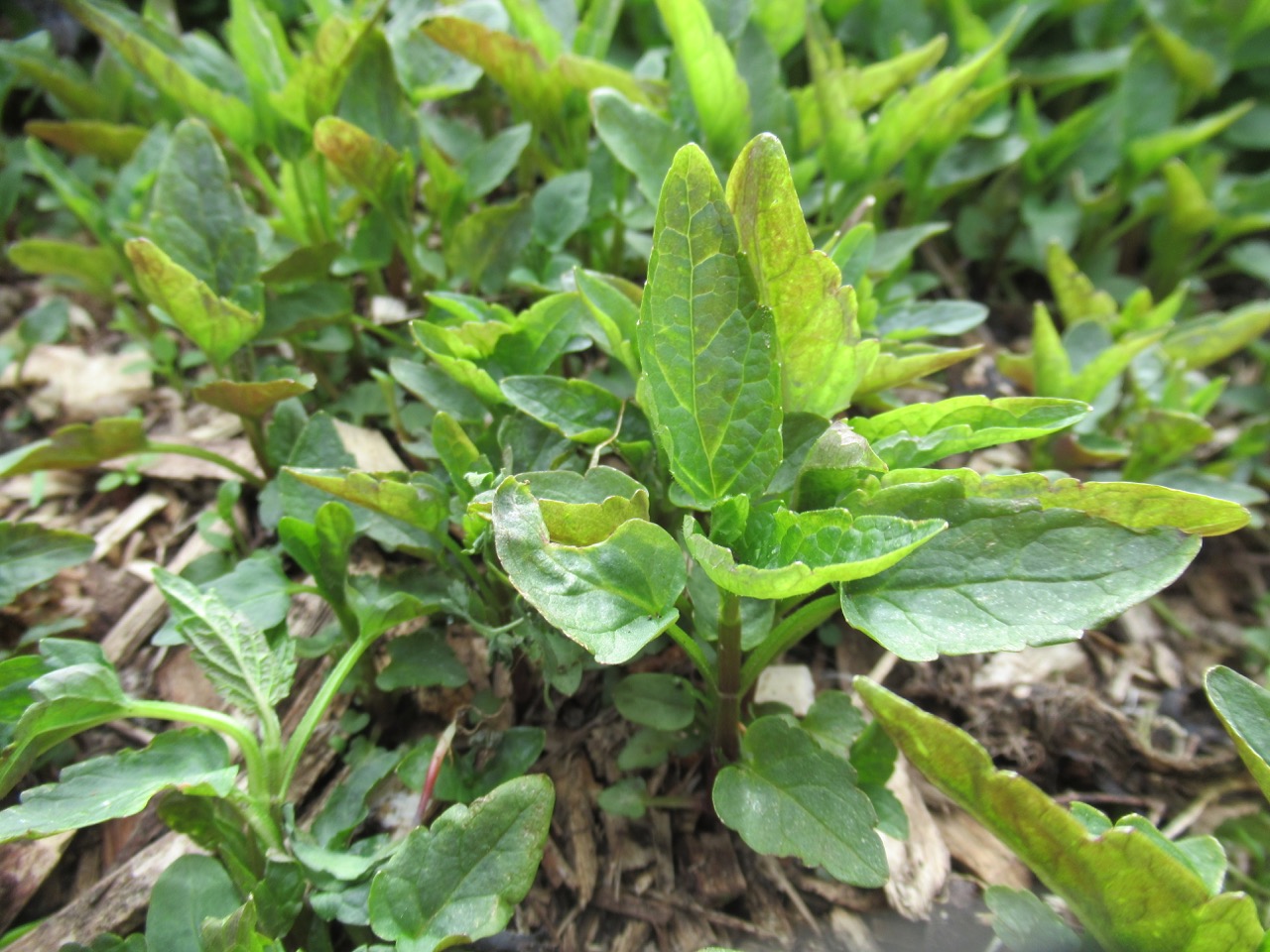
Depending on your climate and soil temperature, fresh shoots generally appear between September and November.
Once established, Skullcap spreads gradually by underground rhizomes to form attractive colonies that can easily be divided every few years to create additional plants.
By October our plants usually look like those seedlings below.
The highest-quality harvest is obtained during the early stages of flowering, when the medicinal constituents are believed to be at their peak. At KoruKai Herb Farm we harvest Skullcap during the cool morning hours after the dew has dried but before the heat of the day.
Using secateurs or a harvesting knife, cut the upper flowering stems, leaving approximately 20 cm of healthy growth so the plants can quickly regenerate. Avoid cutting too close to the ground, particularly during the first growing season, as excessive harvesting can slow recovery.
With good growing conditions, a second harvest later in the season is often possible.
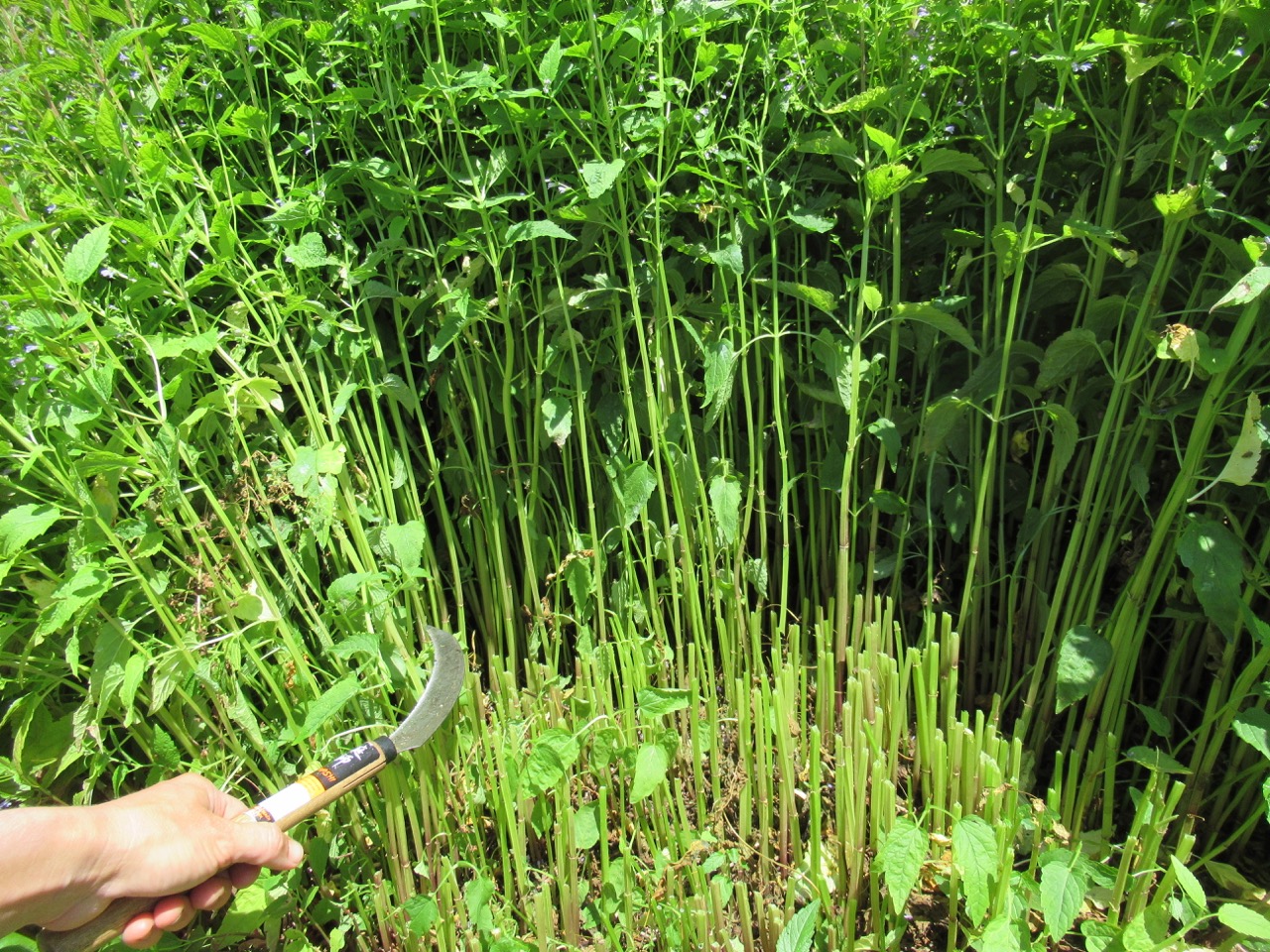
A sharp Niwashi garden shark (see above) is a great too for harvesting large amount of established plants. Secateurs work well too.
To preserve colour, aroma, and quality, lay the stems in a single layer on drying trays with good airflow and out of direct sunlight.
Dry initially at 33–35°C for one to three days. Once most of the moisture has been removed, increase the temperature slightly to no more than 37°C until the leaves and flowers are crisp and completely dry. Strip the dried leaves and flowering tops from the stems and store them in paper bags or airtight containers in a cool, dry, dark place.
The leaves and flowering tops can be used to prepare:
Its gentle flavour makes it an excellent herb for daily use as part of a calming herbal tea.
*This information is for educational purposes only. Please do not self-treat disease using herbs alone. Always consult with a qualified and registered herbalist before using medicinal herbs therapeutically.
The skullcap grows well here and I recently harvested my first crop. Had never heard about it and tried a cup after a busy day with holiday guests. It calmed me right down- noticeably soothing and relaxing! So I took cuttings.
Lemon Balm (Melissa officinalis)
Family: Lamiaceae
Common names: Lemon Balm, Balm Gentle
Lemon Balm is a vigorous, easy-to-grow perennial herb from the mint family, loved for its fresh citrus fragrance, soothing medicinal properties, and delicious flavour. Adaptable and generous, it thrives in a wide range of soil conditions and produces abundant growth throughout the season. With regular harvesting, we typically enjoy 3–4 cuts each year.
Lemon Balm dies down in winter. You will receive a dormant plant.
Below you’ll find growing instructions, medicinal uses, and herbal preparation ideas.
Meadowsweet (Filipendula ulmaria)
Family: Rosaceae
Common names: Meadowsweet, Mead Wort
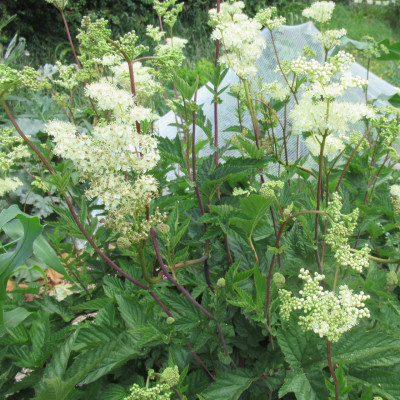
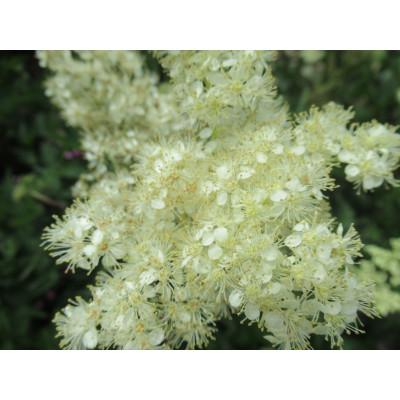
A beautiful, hardy perennial herb treasured for both its elegant creamy-white flower heads and its long history of traditional herbal use. Meadowsweet thrives in moist soils and produces masses of sweetly scented flowers that attract bees and other beneficial insects throughout summer.
Order is for 1 healthy dormant crown, carefully divided during winter dormancy. Meadowsweet divides exceptionally well, giving us an excellent re-establishment rate. Simply plant it into your garden upon arrival and enjoy many years of abundant growth.
Growing instructions, harvesting tips, and traditional herbal uses are provided below.
Medicinal Comfrey (Symphytum officinale)
Family: Boraginaceae
Common names: Comfrey, Common Comfrey, Knitbone
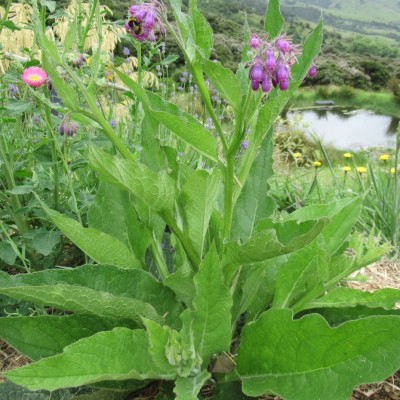
Medicinal Comfrey is a deep-rooted, hardy perennial herb renowned for its powerful healing properties and exceptional ability to build soil fertility. Traditionally known as “knitbone,” it has long been used to support tissue repair, bruising, sprains, and wound healing. Fast-growing and highly productive, Comfrey is an invaluable medicinal herb as well as a nutrient-rich mulch plant for the garden.
Below you’ll find growing instructions, medicinal uses, and herbal preparation ideas.
You will receive one dormant crown with a growing tip.
True Peppermint Rhizomes (Mentha × piperita)
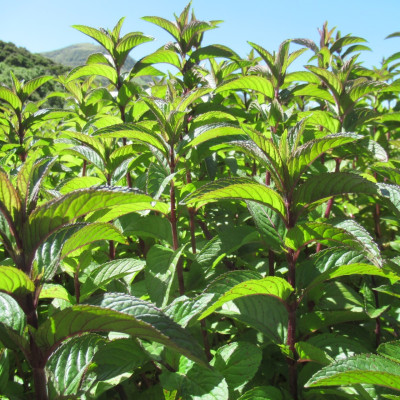
A true, high-quality peppermint selected for its strong, clean flavour and reliable vigour - distinct from common garden mints often sold under the same name. This is the same commercial strain grown at KoruKai Herb Farm and is rarely available through retail outlets.
Plants are supplied as dormant rhizomes with active growing tips, shipped nationwide during winter dormancy for easy establishment.
Frost tolerant and highly productive once established.
Peppermint dormant plant (see image below) is suitable for a 20 cm planter or pot and will have growing shoots in place.
Family: Asteraceae
Common names: Meadow Arnica, Arnica
Meadow Arnica is a hardy, spreading perennial prized for its vibrant golden-yellow flowers and long history of traditional herbal use. Unlike the European mountain arnica, this North American species is easier to grow in the home garden, forming attractive clumps that return year after year and provide abundant flowers for making infused oils, salves, balms, and liniments.
Easy to establish and cold hardy, Meadow Arnica thrives in full sun to partial shade in well-drained, compost-rich soil. It spreads gradually by underground rhizomes, making it an excellent addition to medicinal herb gardens and pollinator plantings.
Each order includes three dormant rhizomes with growing buds, ready to plant. Growing instructions, harvesting advice, and traditional herbal uses can be found below.
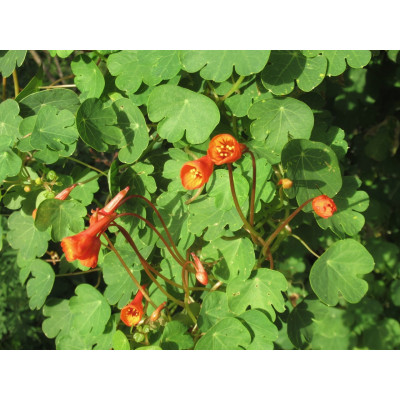
Mashua (pronounced Mah-shwuh) is a colourful Andean tuber closely related to the garden nasturtium. Exceptionally easy to grow, highly productive, and one of the most cold-hardy Andean root crops, it produces generous harvests of delicious tubers with very little care.
The tubers range from the size of small potatoes to large yams and develop a pleasantly sweet, slightly peppery flavour that becomes milder and sweeter when cooked. Even the young leaves and flowers are edible, making Mashua a truly versatile perennial vegetable.
A valuable companion plant, Mashua is traditionally grown alongside other crops because its aromatic foliage helps deter many insect pests, nematodes, and soil-borne diseases.
Each order includes either one large tuber or two medium-sized tubers, ready to plant. Simply place them in the garden when you receive them and watch them emerge in spring.
Growing instructions, harvesting advice, and culinary uses can be found below.
Perennial Stinging Nettle (Urtica dioica)
Family: Urticaceae
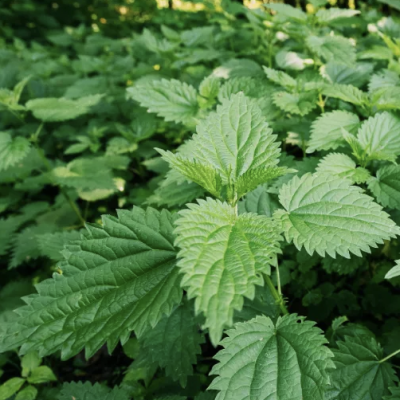
Stinging Nettle is one of the world's most valued medicinal and edible perennial herbs. Highly nutritious, vigorous, and remarkably versatile, it has been used for centuries as a nourishing food, traditional herbal medicine, natural fertiliser, compost activator, and livestock tonic. Once established, it forms productive patches that provide abundant harvests of tender spring shoots year after year.
Your order includes 3 dormant rhizomes (approximately 20 cm long each), ready to establish quickly and send up vigorous new growth in spring. Planting instructions, harvesting advice, medicinal uses, and processing information are provided below.
Yacon (Smallanthus sonchifolius)
Family: Asteraceae
Order includes 1 crown (see sample images below).
Yacon, meaning “water root” in the Inca language, has been treasured for centuries in the Andes as a refreshing, thirst-quenching food for travellers. This vigorous perennial, related to the daisy family, produces crisp, juicy tubers with a uniquely sweet flavour—often described as a blend of fresh apple, watermelon, and pear.
Traditionally grown from Colombia to northern Argentina, Yacon is prized for its delicious edible roots, which can be eaten fresh or processed into the increasingly popular Yacon syrup. Its sweet juice can be concentrated into syrup, while the crunchy tubers make a refreshing and nutritious addition to the kitchen garden.
Sorrel (Rumex acetosa)
Family: Polygonaceae
Common names: Sorrel, Garden Sorrel, Lemon Sorrel
Sorrel is a hardy, long-lived perennial vegetable prized for its vibrant green leaves and distinctive fresh, lemony flavour. One of the first edible greens to emerge in spring, it provides an abundant harvest over many months and is delicious in salads, soups, sauces, omelettes, quiches, and pesto. Easy to grow and remarkably productive, Sorrel quickly forms generous clumps that can be divided every few years to create new plants.
Your Sorrel is supplied as a dormant root division during winter, with little or no foliage visible at the time of purchase. Simply plant it into the garden or a pot, and as the soil warms in spring it will send up vigorous new shoots.
During the first season, harvest lightly to allow the plant to establish a strong root system, and remove flower stalks as they appear to encourage continuous leaf production. After around a year, the clump can be lifted and divided to propagate additional plants and keep it growing vigorously for many years.
White Ginger (Hedychium coronarium)
Family: Zingiberaceae
White Ginger, also known as Butterfly Ginger or Himalayan Ginger, is a striking perennial from the ginger family grown for its lush tropical foliage and highly fragrant white flowers. The blooms resemble delicate butterflies in flight and release a rich, sweet perfume often compared to gardenias, making it one of the most aromatic ornamental gingers.
Despite sometimes being mislabelled in trade (including in New Zealand), White Ginger is distinct from culinary galangal species. While its rhizomes are edible and carry a mild, ginger-like flavour, it is primarily grown as an ornamental and fragrant garden plant.
This vigorous plant produces large clumps of upright stems and spreads gradually via underground rhizomes, forming a bold, tropical presence in the garden. It thrives in moist to boggy soils and performs best in full sun to partial shade, especially where soil moisture is consistently high.
Your order includes one healthy plant, ready to establish and grow into a lush flowering clump. Growing instructions and care details are provided below.
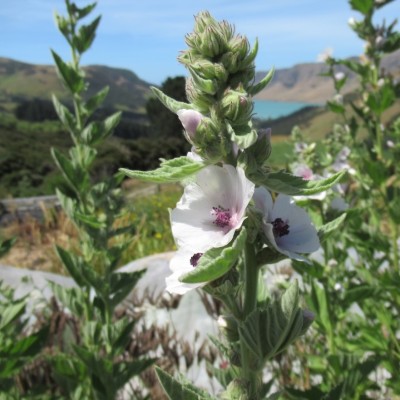
Marshmallow Crowns (Althaea officinalis)
Marshmallow is a traditional medicinal herb valued for its soothing properties. The leaves and roots have historically been used to support inflammation and irritation of the respiratory, digestive, and urinary systems, including dry coughs, stomach irritation, and urinary tract discomfort.*
Marshmallow goes dormant in winter. Each order includes one marshmallow crown cutting with a growing tip (see image below). Simply plant into your garden over winter and watch it emerge vigorously in spring.
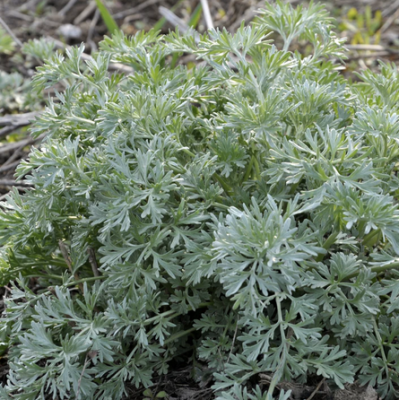
Wormwood (Artemisia absinthium)
Family: Asteraceae
Common names: Wormwood, Absinthe Wormwood, Green Ginger
Wormwood is a hardy, aromatic perennial herb prized for its striking silvery foliage, intense bitterness, and powerful medicinal properties. Traditionally used as a digestive tonic and vermifuge, it is one of the classic bitter herbs of Western herbal medicine. Easy to grow and drought tolerant once established, Wormwood thrives in poor soils and makes a beautiful structural plant in the herb garden.
Wormwood dies down in winter. You will receive a dormant crown with established shoots.
Below you’ll find growing instructions, medicinal uses, and herbal preparation ideas.
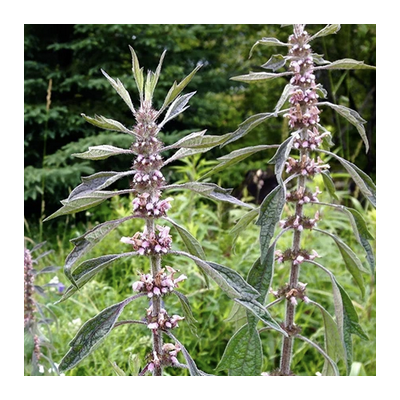
Motherwort (Leonurus cardiaca)
Family: Lamiaceae
Common names: Motherwort, Lion’s Tail
Motherwort is a hardy, easy-to-grow perennial herb from the mint family, valued for its calming effects on the nervous system and its long traditional use in supporting the heart and women’s health. With its tall leafy stems, soft pink flowers, and abundant summer growth, Motherwort is both medicinally powerful and highly attractive to bees and other pollinators.
Below you’ll find growing instructions, medicinal uses, and herbal preparation ideas.
Motherwort dies down in winter. You will receive a dormant plant.
Because we only dig this plant every 2 years, we will not have it available in 2026, but we will have heaps in 2027.
Available again in July 2027. Sign up below to join the waiting list.
Elecampane Crowns (Inula helenium)
Elecampane is a striking medicinal perennial traditionally valued for supporting respiratory health and herbal wellness practices.*
Each order includes 1 healthy elecampane crown with active growing tip(s) (see images below). Simply plant into your garden over winter and watch it emerge vigorously in spring. Under good growing conditions, a single plant can often be lifted and divided the following winter, producing approximately 3–6 new plants within a year.
Chinese Artichoke / Crosnes (Stachys affinis)
Family: Lamiaceae
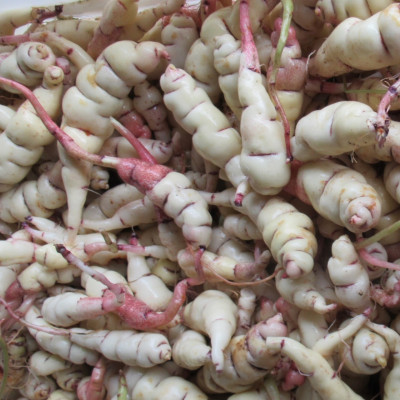
Chinese Artichokes, also known as Crosnes, are a delicious and unusual perennial root vegetable grown for their crisp, spiralled white tubers. Easy to grow and highly productive, they return year after year, producing abundant harvests from late autumn through winter.
The distinctive tubers resemble tiny grubs but are a gourmet delicacy with a wonderfully unique texture. Eaten raw, they are crisp, juicy, and slightly sweet, with a flavour reminiscent of water chestnuts. Cooked, they become tender, creamy, and subtly nutty, somewhere between a young potato, kūmara, and Jerusalem artichoke. In France, where they are known as Crosnes, they are traditionally braised in butter and fresh herbs—a simple preparation that beautifully highlights their delicate flavour.
Your order includes a starter pack of approximately five healthy tubers, ready for planting. Once established, the plants gradually multiply underground, providing increasingly generous harvests each year.
Chinese Artichokes are hardy, frost tolerant, and winter dormant, making them an excellent perennial vegetable for New Zealand gardens. Growing instructions, harvesting advice, and culinary tips are provided below.
Multiplying Leek (Allium ampeloprasum var. porrum)
Family: Amaryllidaceae
Multiplying Leeks are one of our favourite perennial vegetables at KoruKai Herb Farm. Exceptionally easy to grow, hardy, and highly productive, they require very little care while providing a reliable harvest throughout winter and well into spring—just when annual leeks are finishing for the season.
Unlike ordinary leeks, these perennial leeks multiply naturally by forming clumps of new plants each year. Individual stems grow to around thumb thickness, with a mild, sweet leek flavour that is perfect for soups, stews, stir-fries, quiches, and countless other dishes. Harvest what you need and leave the remaining plants to continue multiplying, creating an increasingly abundant patch year after year.
Your order includes a healthy starter clump of 3–4 young multiplying leeks, ready to establish quickly in your garden. Planting instructions and growing tips are provided below.