Rosemary (Salvia rosmarinus)
Family: Lamiaceae
Rosemary is a beautiful evergreen Mediterranean herb, treasured for its fragrant, needle-like leaves, stunning blue flowers, and wide range of culinary and medicinal uses. Hardy, drought tolerant, and long-lived, it makes an attractive addition to herb gardens, food forests, edible hedges, and pollinator plantings.
Flowering from late winter through spring, Rosemary provides an important early nectar source for honeybees and other beneficial insects when few other plants are in bloom. Its aromatic foliage is indispensable in the kitchen, pairing beautifully with roasted vegetables, potatoes, breads, lamb, poultry, and many Mediterranean dishes.
Your order includes one healthy bare-rooted seedling, ready to establish quickly in your garden or a large container. Growing instructions, harvesting advice, and traditional medicinal uses are provided below.
 Security policy
Secure credit card, bank transfer or POLi payment!
 Delivery policy
Proudly support NZ Post/CourierPost!
 Return policy
We exchange or refund if you are not happy!

Guarantee safe & secure checkout
Organically grown at KoruKai Herb Farm, New Zealand, without the use of pesticides, herbicides, or other agrochemicals.
Rosemary is one of the world's most treasured culinary and medicinal herbs. Native to the sunny hillsides of the Mediterranean, this evergreen shrub is prized for its intensely aromatic, needle-like foliage, beautiful lavender-blue flowers, and exceptional drought tolerance. Long-lived and easy to grow, it makes an attractive feature in herb gardens, kitchen gardens, food forests, edible hedges, and ornamental borders.
Flowering from late winter through spring, Rosemary provides an invaluable early nectar source for honeybees and other beneficial pollinators, often blooming when few other plants are in flower.
Your order includes one healthy bare-rooted seedling, carefully packed in moist bedding to ensure it arrives in excellent condition. We ship plants on the Monday following your order.
Unpack your Rosemary as soon as it arrives and plant it into a pot using quality potting mix blended with a little garden soil or compost. Water thoroughly and keep the pot in a sheltered position while the roots establish.
After 3–6 months, or once the plant has developed a strong root system, transplant it into its permanent position in the garden.
Rosemary thrives in full sun and prefers well-drained soil. Like many Mediterranean herbs, it dislikes wet feet and performs best where drainage is excellent.
Before planting, dig a hole two to four times wider than the root ball and incorporate some compost into the surrounding soil. Plant at the same depth it was growing in the pot and apply a generous layer of mulch, keeping the mulch clear of the stem to prevent rot.
Water deeply once a week during the first summer to help establish a deep root system. Once established, Rosemary is remarkably drought tolerant and generally only requires watering during extended dry periods.
Mature plants typically grow 1.5–2 metres tall and around 1–1.5 metres wide, depending on pruning and growing conditions. Space plants 60–90 cm apart, or plant three plants per metre if creating a low hedge.
Rosemary also grows exceptionally well in large containers, making it an excellent choice for patios, courtyards, and small gardens.
Regular light pruning throughout spring and summer encourages bushy, compact growth and prevents plants from becoming woody and sparse. Avoid cutting back into old leafless wood, as regrowth from mature stems can be slow.
Fresh sprigs can be harvested throughout the year as required.
For drying, harvest stems during spring or early summer when the aromatic oils are at their highest concentration. Cut healthy young stems using secateurs, taking care not to remove more than one-third of the plant at a time.
Regular harvesting naturally encourages dense, vigorous new growth.
Bundle several stems together and hang them upside down in a warm, dry, well-ventilated place out of direct sunlight. Alternatively, spread the stems in a single layer on drying trays and dry at temperatures below 35°C until the needles become crisp.
Once completely dry, strip the leaves from the stems and store them whole in airtight glass jars away from heat and light. Crushing the leaves only when needed helps preserve their flavour and aroma. The dried leaves can also be ground into a fine powder using a mortar and pestle or food processor.
Rosemary is one of the essential herbs of Mediterranean cooking. Its warm, pine-like aroma complements roasted vegetables, potatoes, pumpkin, mushrooms, breads, focaccia, and olive oil beautifully.
It pairs especially well with lamb, beef, chicken, pork, and fish, while also adding depth to soups, stews, sauces, marinades, herb rubs, and roasted root vegetables.
Fresh sprigs can be added to barbecue coals or used as natural skewers for grilling vegetables and meat, imparting a delicate smoky rosemary flavour. The flowers are edible too, making an attractive garnish for salads and desserts.
Rosemary has occupied a central place in European herbal medicine for thousands of years.
Traditionally, it has been used as a stimulating and warming herb that supports healthy circulation, particularly to the head, where it has long been associated with improving memory, concentration, and mental clarity. Since ancient Greece, Rosemary has symbolised remembrance, and students were known to wear or burn Rosemary while studying.
Herbalists have traditionally used Rosemary to:
Rosemary can be prepared as a herbal tea, tincture, infused oil, bath herb, or distilled into essential oil for external use.
Its uplifting fragrance also makes it a favourite herb for aromatherapy and herbal sachets.

Three rosemary plants grown as a hedge at KoruKai Herb Farm, Banks Peninsula, New Zealand.
*This information is for educational purposes only and is not intended to diagnose, treat, cure, or prevent any disease. Always consult a qualified healthcare practitioner or registered herbalist before using medicinal herbs therapeutically.
Chinese Artichoke / Crosnes (Stachys affinis)
Family: Lamiaceae
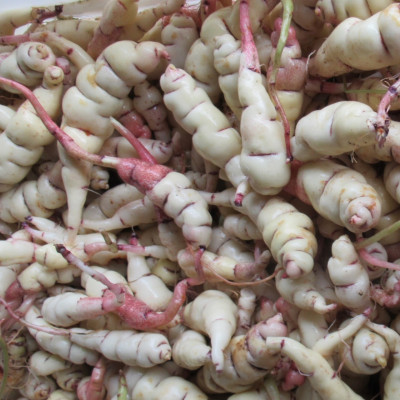
Chinese Artichokes, also known as Crosnes, are a delicious and unusual perennial root vegetable grown for their crisp, spiralled white tubers. Easy to grow and highly productive, they return year after year, producing abundant harvests from late autumn through winter.
The distinctive tubers resemble tiny grubs but are a gourmet delicacy with a wonderfully unique texture. Eaten raw, they are crisp, juicy, and slightly sweet, with a flavour reminiscent of water chestnuts. Cooked, they become tender, creamy, and subtly nutty, somewhere between a young potato, kūmara, and Jerusalem artichoke. In France, where they are known as Crosnes, they are traditionally braised in butter and fresh herbs—a simple preparation that beautifully highlights their delicate flavour.
Your order includes a starter pack of approximately five healthy tubers, ready for planting. Once established, the plants gradually multiply underground, providing increasingly generous harvests each year.
Chinese Artichokes are hardy, frost tolerant, and winter dormant, making them an excellent perennial vegetable for New Zealand gardens. Growing instructions, harvesting advice, and culinary tips are provided below.
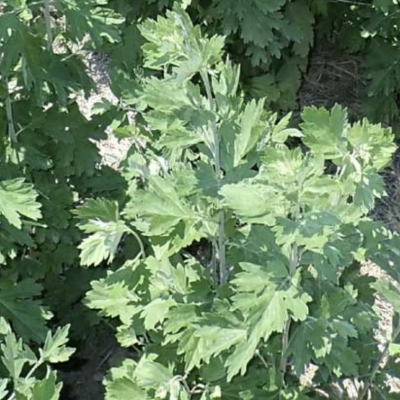
Yomogi (Artemisia princeps)
Family: Asteraceae
Yomogi, also known as Japanese Mugwort, is one of Japan's most treasured perennial herbs, valued for centuries as both a nourishing spring vegetable and an important medicinal plant. The tender young shoots have a pleasant, aromatic flavour and are traditionally used in herbal teas, soups, tempura, and the famous green yomogi mochi (rice cakes).
Easy to grow, hardy, and highly productive, Yomogi spreads by underground rhizomes to form lush clumps that return year after year. It thrives in full sun to partial shade and is well suited to gardens throughout New Zealand.
Yomogi dies down in winter. Your order includes one healthy bare-rooted plant with growing shoots, ready to establish quickly in your garden once temperatures warm up.
Growing instructions, harvesting advice, culinary uses, and traditional medicinal information are provided below.
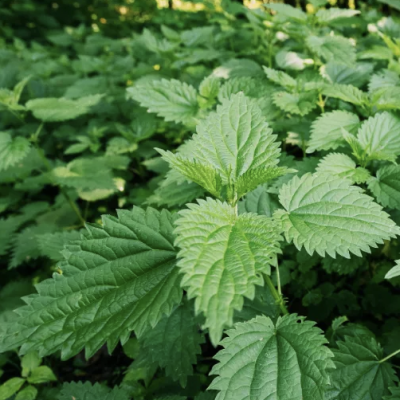
Perennial Stinging Nettle (Urtica dioica)
Family: Urticaceae
Stinging Nettle is one of the world's most valued medicinal and edible perennial herbs. Highly nutritious, vigorous, and remarkably versatile, it has been used for centuries as a nourishing food, traditional herbal medicine, natural fertiliser, compost activator, and livestock tonic. Once established, it forms productive patches that provide abundant harvests of tender spring shoots year after year.
Your order includes 3 dormant rhizomes (approximately 20 cm long each), ready to establish quickly and send up vigorous new growth in spring. Planting instructions, harvesting advice, medicinal uses, and processing information are provided below.
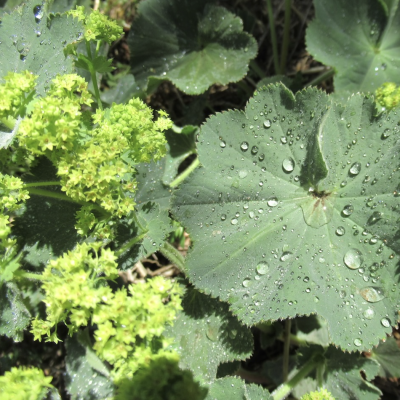
Lady’s Mantle (Alchemilla vulgaris)
Family: Rosaceae
Common names: Lady’s Mantle
Lady’s Mantle is a beautiful, hardy perennial herb cherished for its soft scalloped leaves, delicate chartreuse flowers, and long history of use in women’s herbal medicine. Known for its astringent and toning qualities, it is especially valued for supporting menstrual health, digestion, and wound healing. Easy to grow and highly ornamental, it thrives in a wide range of garden conditions and makes an elegant addition to the herb garden.
Below you’ll find growing instructions, medicinal uses, and herbal preparation ideas.
Lady's Mantle dies down in winter. You will receive a dormant plant without leaves, but with growing shoots in place.
Motherwort (Leonurus cardiaca)
Family: Lamiaceae
Common names: Motherwort, Lion’s Tail
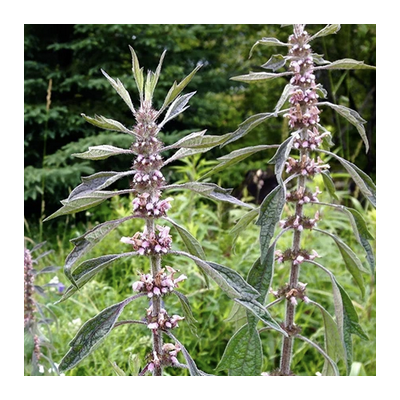
Motherwort is a hardy, easy-to-grow perennial herb from the mint family, valued for its calming effects on the nervous system and its long traditional use in supporting the heart and women’s health. With its tall leafy stems, soft pink flowers, and abundant summer growth, Motherwort is both medicinally powerful and highly attractive to bees and other pollinators.
Below you’ll find growing instructions, medicinal uses, and herbal preparation ideas.
Motherwort dies down in winter. You will receive a dormant plant.
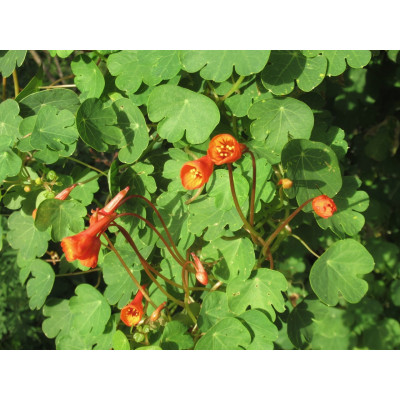
Mashua (pronounced Mah-shwuh) is a colourful Andean tuber closely related to the garden nasturtium. Exceptionally easy to grow, highly productive, and one of the most cold-hardy Andean root crops, it produces generous harvests of delicious tubers with very little care.
The tubers range from the size of small potatoes to large yams and develop a pleasantly sweet, slightly peppery flavour that becomes milder and sweeter when cooked. Even the young leaves and flowers are edible, making Mashua a truly versatile perennial vegetable.
A valuable companion plant, Mashua is traditionally grown alongside other crops because its aromatic foliage helps deter many insect pests, nematodes, and soil-borne diseases.
Each order includes either one large tuber or two medium-sized tubers, ready to plant. Simply place them in the garden when you receive them and watch them emerge in spring.
Growing instructions, harvesting advice, and culinary uses can be found below.
White Ginger (Hedychium coronarium)
Family: Zingiberaceae
White Ginger, also known as Butterfly Ginger or Himalayan Ginger, is a striking perennial from the ginger family grown for its lush tropical foliage and highly fragrant white flowers. The blooms resemble delicate butterflies in flight and release a rich, sweet perfume often compared to gardenias, making it one of the most aromatic ornamental gingers.
Despite sometimes being mislabelled in trade (including in New Zealand), White Ginger is distinct from culinary galangal species. While its rhizomes are edible and carry a mild, ginger-like flavour, it is primarily grown as an ornamental and fragrant garden plant.
This vigorous plant produces large clumps of upright stems and spreads gradually via underground rhizomes, forming a bold, tropical presence in the garden. It thrives in moist to boggy soils and performs best in full sun to partial shade, especially where soil moisture is consistently high.
Your order includes one healthy plant, ready to establish and grow into a lush flowering clump. Growing instructions and care details are provided below.
Horseradish (Armoracia rusticana)
Horseradish is a hardy, fast-growing perennial root crop valued for its powerful, pungent roots used in traditional culinary and herbal preparations. Once established, it produces vigorous leafy growth above ground and a deep, spreading root system below, forming a long-lived and highly productive plant.
Freshly harvested roots are grated or crushed to release their signature heat and aroma, traditionally used to make sauces, condiments, and medicinal preparations. A little goes a long way, making horseradish a rewarding and self-sustaining addition to the edible garden.
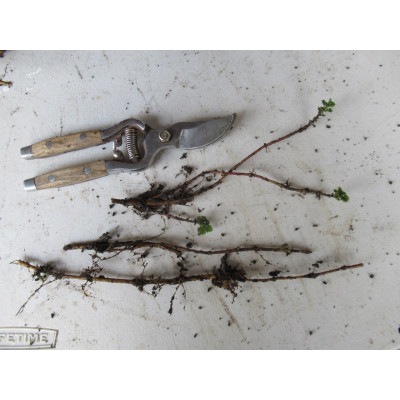
Each order includes 1 dormant, bare-root horseradish plant with a healthy growing tip (see example images below), ready to establish quickly and shoot strongly in spring.
Meadowsweet (Filipendula ulmaria)
Family: Rosaceae
Common names: Meadowsweet, Mead Wort
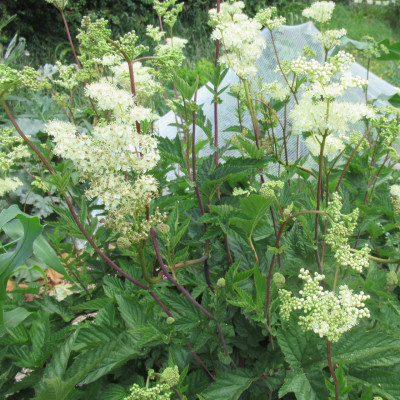
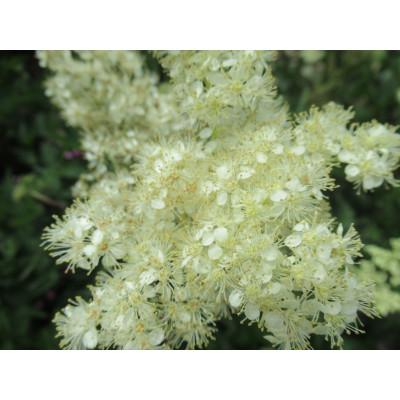
A beautiful, hardy perennial herb treasured for both its elegant creamy-white flower heads and its long history of traditional herbal use. Meadowsweet thrives in moist soils and produces masses of sweetly scented flowers that attract bees and other beneficial insects throughout summer.
Order is for 1 healthy dormant crown, carefully divided during winter dormancy. Meadowsweet divides exceptionally well, giving us an excellent re-establishment rate. Simply plant it into your garden upon arrival and enjoy many years of abundant growth.
Growing instructions, harvesting tips, and traditional herbal uses are provided below.
True Peppermint Rhizomes (Mentha × piperita)
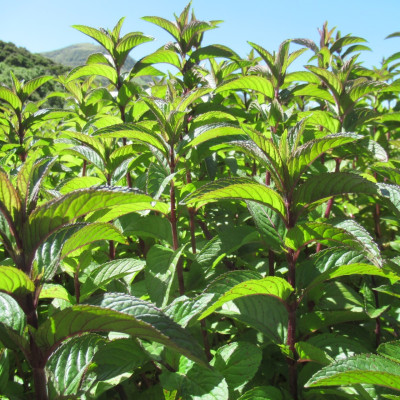
A true, high-quality peppermint selected for its strong, clean flavour and reliable vigour - distinct from common garden mints often sold under the same name. This is the same commercial strain grown at KoruKai Herb Farm and is rarely available through retail outlets.
Plants are supplied as dormant rhizomes with active growing tips, shipped nationwide during winter dormancy for easy establishment.
Frost tolerant and highly productive once established.
Peppermint dormant plant (see image below) is suitable for a 20 cm planter or pot and will have growing shoots in place.
Evergreen Dwarf Comfrey (Symphytum grandiflorum)
Family: Boraginaceae
Common names: Dwarf Comfrey, Creeping Comfrey
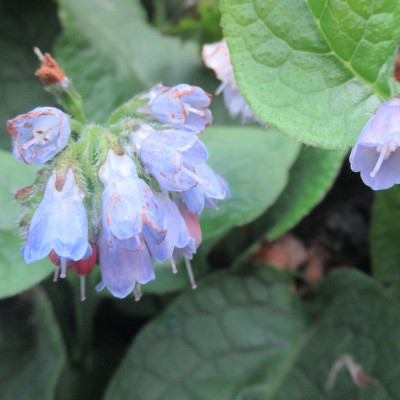
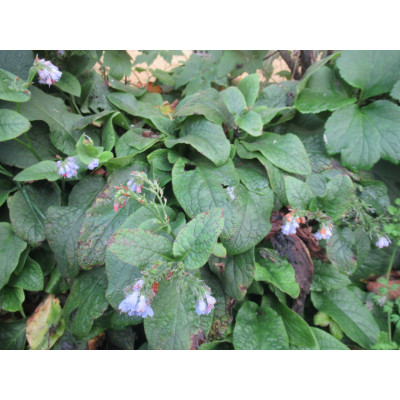
Evergreen Dwarf Comfrey is a low-growing, spreading perennial valued for its lush evergreen foliage, early nectar-rich flowers, and exceptional usefulness as a living mulch and groundcover. Unlike Medicinal Comfrey, this smaller species is primarily grown for its ecological and soil-building benefits, helping to suppress weeds, protect soil, and feed beneficial insects. Hardy, resilient, and easy to grow, it is an excellent addition to food forests, orchards, and regenerative gardens.
Due to its smaller size and more compact growth than regular comfrey it is ideal for smaller gardens, urban environments and small food forests. It makes an excellent border plant and ground cover and does well planted around fruit trees.
Can be grown throughout New Zealand. Frost tolerant.
Below you’ll find growing instructions, uses, and harvesting ideas.
Order is for 1 plant, bare rooted.
Apple Mint (Mentha suaveolens)
Family: Lamiaceae
Common names: Apple Mint, Woolly Mint, Fuzzy Mint
Apple Mint is a wonderfully fragrant and easy-to-grow perennial herb, loved for its soft, velvety leaves and refreshing apple-mint flavour. Delicious in herbal teas, iced drinks, desserts, fruit salads, and savoury dishes, it is one of the most versatile mints for the kitchen. Its sweet aroma, attractive foliage, and nectar-rich flowers also make it a favourite with bees and other beneficial pollinators.
Your plant is supplied bare-rooted to ensure it arrives in excellent condition. Simply plant it into a pot or directly into the garden on arrival, water well for the first few days, and it will quickly establish into a vigorous, productive herb. Growing instructions, harvesting tips, and culinary uses are provided below.
Jerusalem Artichoke (Helianthus tuberosus)
Also known as Sunchoke or Sunroot
Jerusalem Artichoke is a hardy, highly productive perennial sunflower grown for its crisp, sweet, and nutritious underground tubers. Easy to grow and remarkably resilient, it produces abundant harvests year after year with very little maintenance, making it an excellent addition to kitchen gardens, food forests, and permaculture systems.
The tubers can be enjoyed raw, roasted, sautéed, mashed, or added to soups and stews. Their flavour is often described as a cross between water chestnuts, potato, and artichoke, with a pleasant nutty sweetness.
Each order contains three healthy planting tubers. Choose either three small or three large tubers using the options below.
Growing instructions, harvesting advice, and culinary uses can be found below.
Family: Asteraceae
Echinacea is one of the world's best-known medicinal herbs, traditionally valued for supporting a healthy immune system and helping the body respond to seasonal illness.*
These healthy 2–3 year old crowns are well established and ready to produce vigorous new growth and beautiful purple daisy-like flowers each summer. Simply plant into your garden upon arrival and enjoy this hardy perennial for many years to come.
Growing instructions, harvesting tips, and traditional herbal uses are provided below.
Valerian Crowns (Valeriana officinalis)
Valerian is a well-known medicinal herb traditionally used to support restful sleep and help with insomnia.*
Each order includes 1 healthy valerian crown cutting with a growing tip. Plant directly into your garden over winter and it will emerge again in spring. See photos below for examples of the growing tips.
Organically grown at KoruKai Herb Farm without synthetic fertilisers, pesticides, or herbicides.
Wormwood (Artemisia absinthium)
Family: Asteraceae
Common names: Wormwood, Absinthe Wormwood, Green Ginger
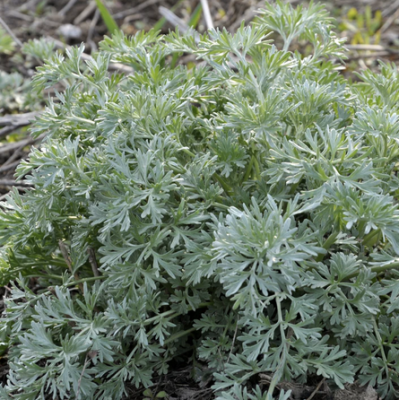
Wormwood is a hardy, aromatic perennial herb prized for its striking silvery foliage, intense bitterness, and powerful medicinal properties. Traditionally used as a digestive tonic and vermifuge, it is one of the classic bitter herbs of Western herbal medicine. Easy to grow and drought tolerant once established, Wormwood thrives in poor soils and makes a beautiful structural plant in the herb garden.
Wormwood dies down in winter. You will receive a dormant crown with established shoots.
Below you’ll find growing instructions, medicinal uses, and herbal preparation ideas.