- New
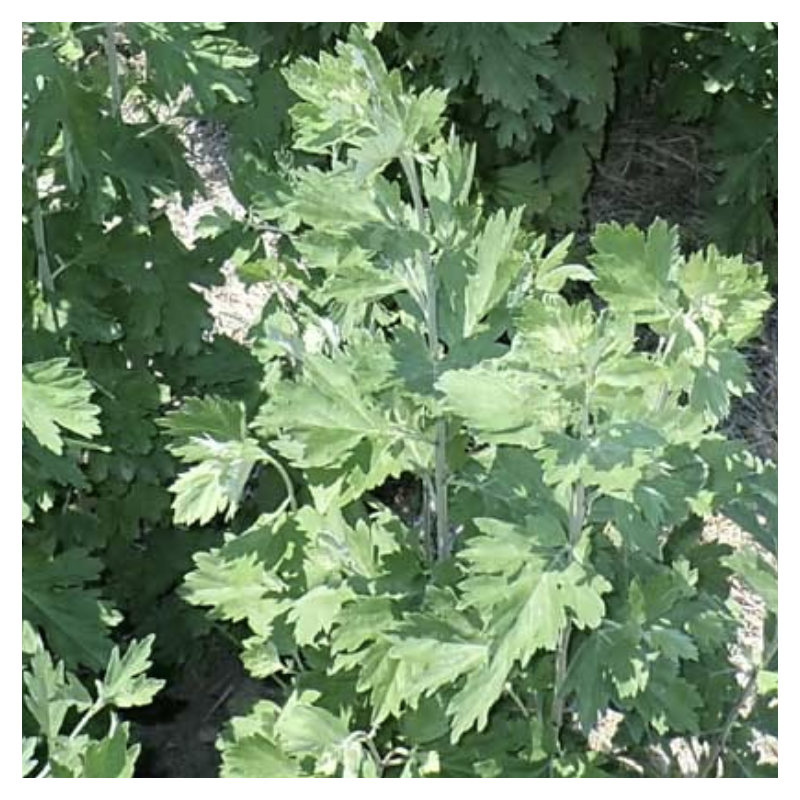
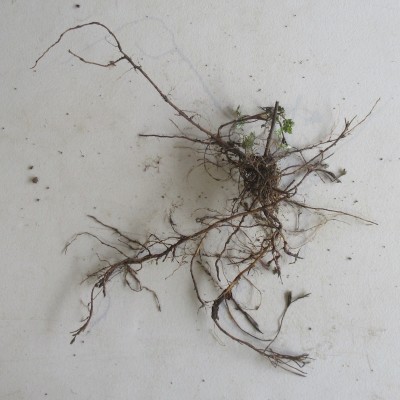
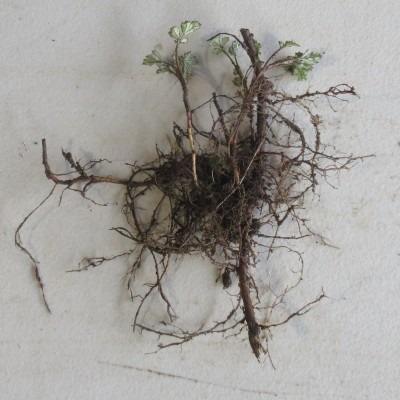

Yomogi (Artemisia princeps)
Family: Asteraceae
Yomogi, also known as Japanese Mugwort, is one of Japan's most treasured perennial herbs, valued for centuries as both a nourishing spring vegetable and an important medicinal plant. The tender young shoots have a pleasant, aromatic flavour and are traditionally used in herbal teas, soups, tempura, and the famous green yomogi mochi (rice cakes).
Easy to grow, hardy, and highly productive, Yomogi spreads by underground rhizomes to form lush clumps that return year after year. It thrives in full sun to partial shade and is well-suited to gardens throughout New Zealand.
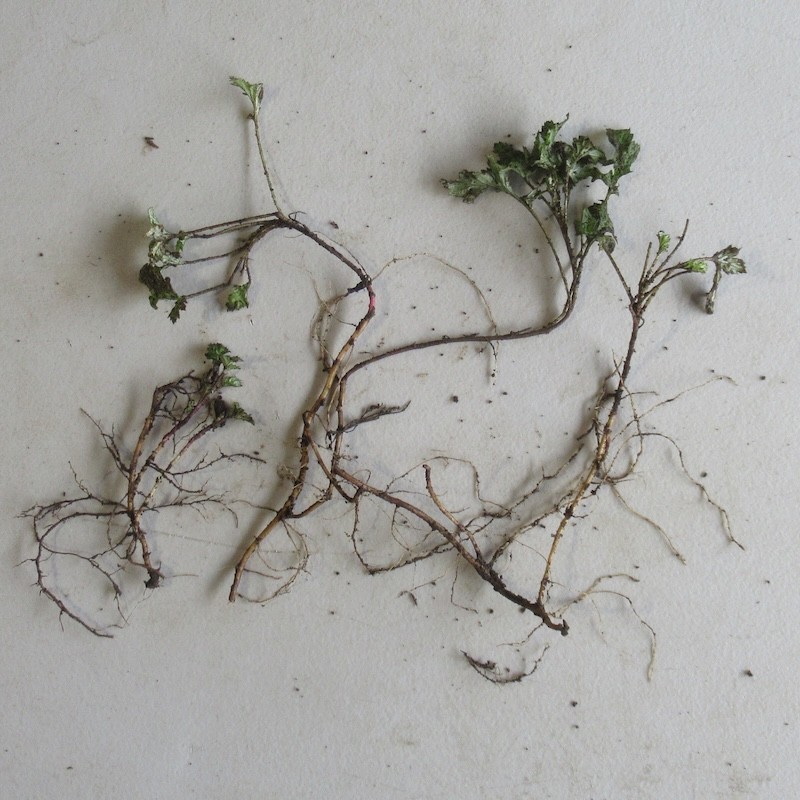
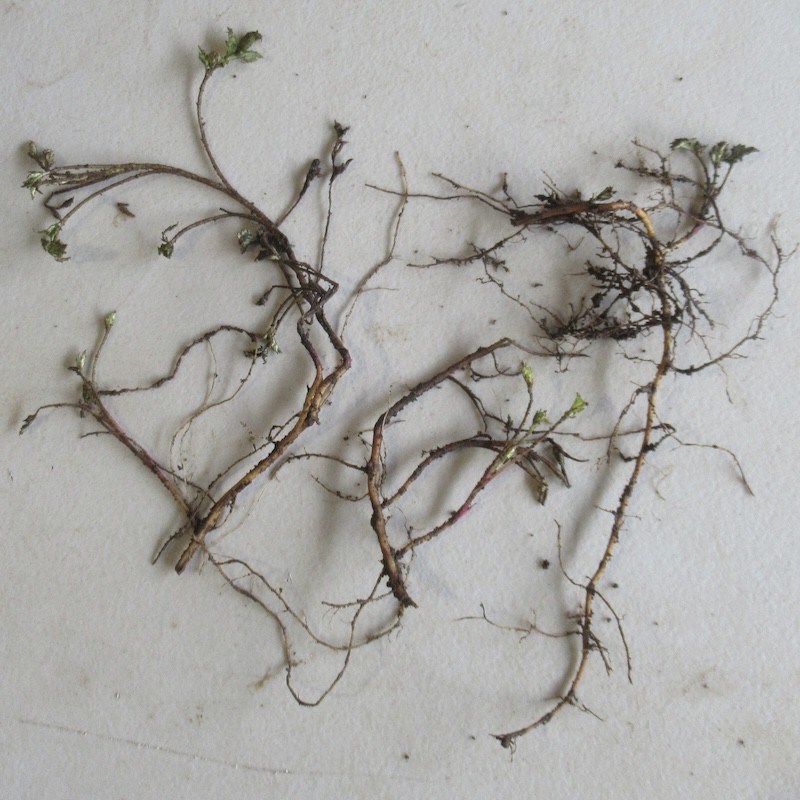
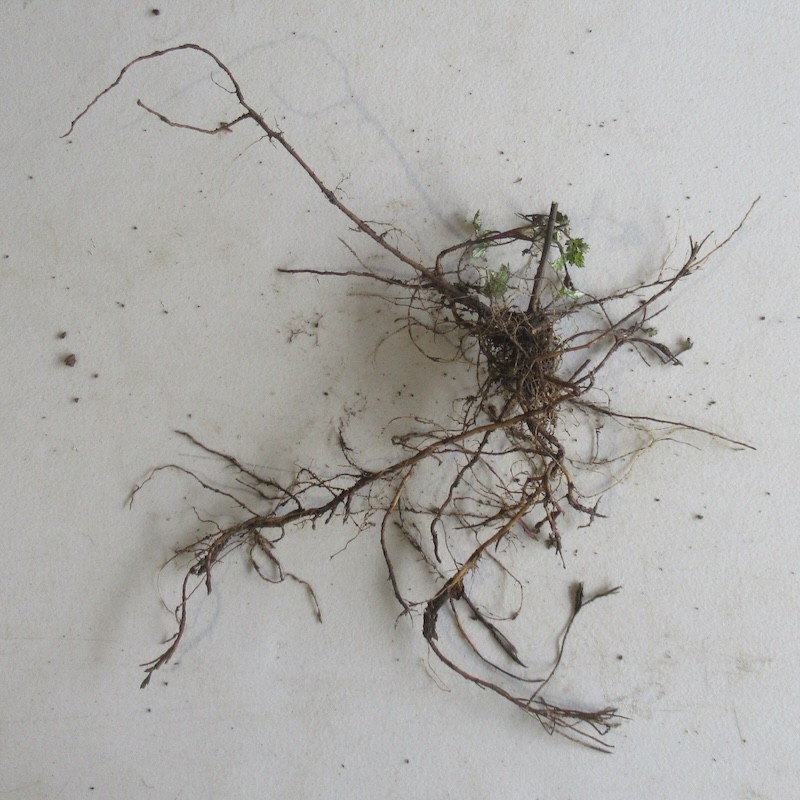
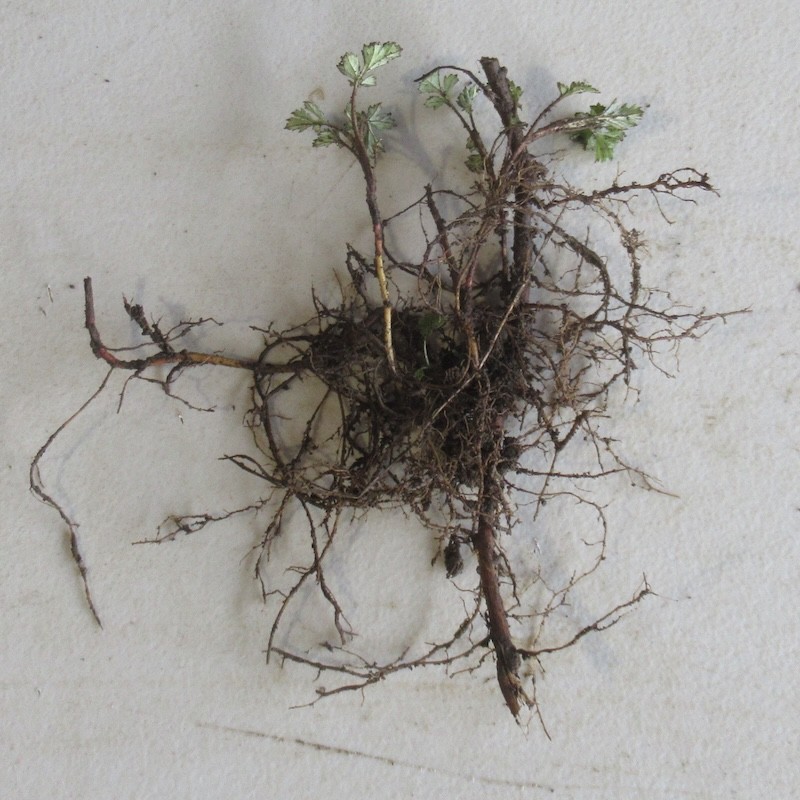
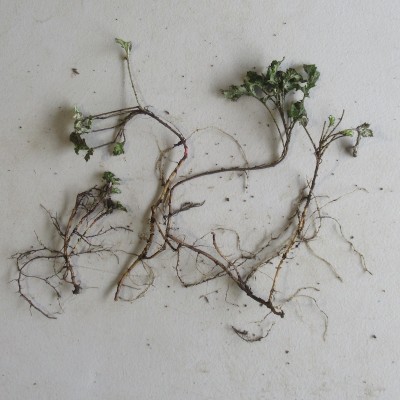
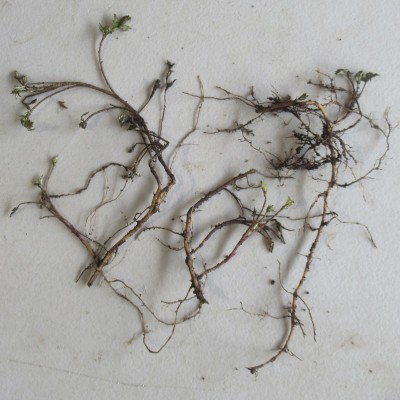
Yomogi dies down in winter. Your order includes one healthy bare-rooted plant with growing shoots, ready to establish quickly in your garden once temperatures warm up.
Growing instructions, harvesting advice, culinary uses, and traditional medicinal information are provided below.
 Security policy
Secure credit card, bank transfer or POLi payment!
 Delivery policy
Proudly support NZ Post/CourierPost!
 Return policy
We exchange or refund if you are not happy!

Guarantee safe & secure checkout
Organically grown at KoruKai Herb Farm, New Zealand, without the use of synthetic fertilisers, pesticides, or herbicides.
Yomogi, also known as Japanese Mugwort, is one of Japan's most beloved perennial herbs. For centuries it has been cultivated as both a nourishing food and an important medicinal plant. Every spring, the tender new shoots are eagerly harvested for traditional dishes, while the mature leaves are dried for herbal teas and medicinal preparations.
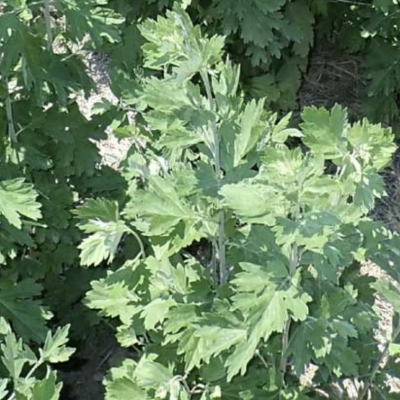
Closely related to Common Wormwood (Artemisia absinthium), Yomogi is considerably milder and is prized for its fresh, aromatic foliage rather than its bitterness. The deeply divided grey-green leaves have soft silvery undersides and release a pleasant herbal fragrance when crushed.
Plants typically grow 60–120 cm tall and gradually spread by underground rhizomes, forming attractive colonies that return reliably every spring.
You will receive one crown with shoots or 3 root pieces with shoots.
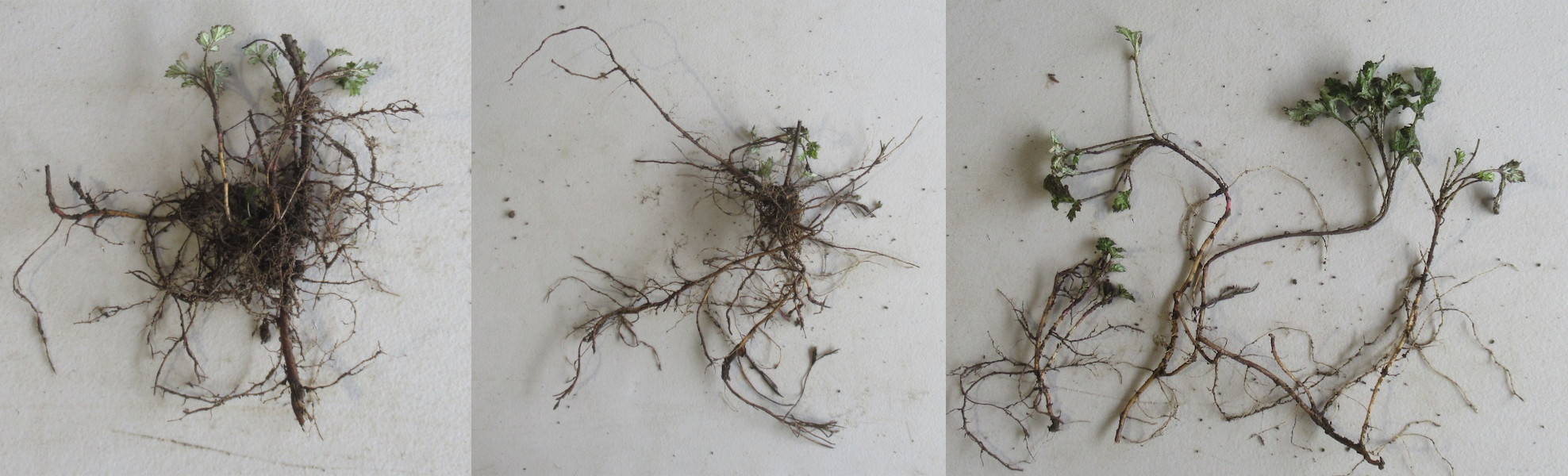
Yomogi has played an important role in traditional Japanese, Korean, and Chinese herbal medicine for centuries. Traditionally, it has been used to support healthy digestion, circulation, women's reproductive health, general vitality, and the body's natural inflammatory balance. The leaves contain aromatic essential oils, flavonoids, and other beneficial plant compounds that continue to be studied for their antioxidant, antimicrobial, and anti-inflammatory properties. The dried leaves have also traditionally been processed into moxa, the material used in the practice of moxibustion.
Yomogi also makes an excellent smudging plant and is a cold-hardy alternative to white sage, producing a smooth, cooling smoke traditionally used to cleanse spaces and create a calming atmosphere. A tincture is another traditional way to preserve and use yomogi as a herbal preparation.
Yomogi is an exceptionally hardy and adaptable perennial that grows well throughout New Zealand. It is frost hardy.
It thrives in full sun to partial shade and prefers fertile, well-drained soil enriched with compost. Once established it tolerates drought, frost, wind, and a wide range of soil conditions, although regular moisture encourages lush leafy growth.
Plants reach approximately 60–120 cm in height and slowly spread via underground rhizomes. They are ideal for herb gardens, food forests, perennial vegetable gardens, or naturalised areas.
If preferred, Yomogi can also be grown successfully in large containers to limit its spread.
Plant your bare-rooted plant as soon as it arrives.
Prepare the planting area by incorporating generous amounts of compost into the soil. Plant at the same depth it was previously growing, water thoroughly, and apply a generous mulch of straw, autumn leaves, or woodchips to conserve moisture.
Space plants approximately 60 cm apart.
Water regularly during the first growing season while the plant establishes. Once mature, Yomogi requires very little maintenance apart from an annual application of compost and mulch.
Every few years, clumps can be lifted and divided during winter dormancy to produce additional plants.
The finest harvest comes from the young spring shoots before the leaves become fully mature. These tender shoots are prized for their delicate flavour and soft texture. As the season progresses, larger leaves can continue to be harvested for herbal teas, drying, and medicinal preparations. Plants respond well to regular harvesting and often produce multiple flushes of fresh growth throughout the growing season.
For larger harvests, cut stems approximately 10–15 cm above ground level, allowing the plant to regenerate from the base.
Harvest on a dry morning after the dew has evaporated. Lay stems in a single layer on drying trays in a warm, shaded, well-ventilated area. Dry at temperatures below 35°C until the leaves become crisp. Strip the leaves from the stems and store them in airtight containers away from heat, light, and moisture.
Yomogi is one of Japan’s classic wild vegetables and has been enjoyed in traditional cuisine for centuries. The tender young leaves can be steamed or blanched, added to soups and miso soup, used in tempura, or mixed into dumplings and pancakes. They can also be brewed into a nourishing herbal tea, blended into smoothies, or incorporated into breads, cakes, noodles, and desserts.
Yomogi is especially famous for its use in yomogi mochi (green rice cakes), where the leaves provide their distinctive colour, aroma, and flavour. Its taste is pleasantly herbaceous with a gentle bitterness, making it one of the most versatile edible members of the Artemisia genus.
Yomogi is a beautiful addition to herb gardens, food forests, and perennial vegetable beds. Its attractive silver-green foliage, abundant spring harvests, resilience, and long history of culinary and medicinal use make it one of the most rewarding perennial herbs to grow.
*This information is for educational purposes only and is not intended to diagnose, treat, cure, or prevent any disease. Always consult a qualified healthcare practitioner before using medicinal herbs therapeutically.
White Ginger (Hedychium coronarium)
Family: Zingiberaceae
White Ginger, also known as Butterfly Ginger or Himalayan Ginger, is a striking perennial from the ginger family grown for its lush tropical foliage and highly fragrant white flowers. The blooms resemble delicate butterflies in flight and release a rich, sweet perfume often compared to gardenias, making it one of the most aromatic ornamental gingers.
Despite sometimes being mislabelled in trade (including in New Zealand), White Ginger is distinct from culinary galangal species. While its rhizomes are edible and carry a mild, ginger-like flavour, it is primarily grown as an ornamental and fragrant garden plant.
This vigorous plant produces large clumps of upright stems and spreads gradually via underground rhizomes, forming a bold, tropical presence in the garden. It thrives in moist to boggy soils and performs best in full sun to partial shade, especially where soil moisture is consistently high.
Your order includes one healthy plant, ready to establish and grow into a lush flowering clump. Growing instructions and care details are provided below.
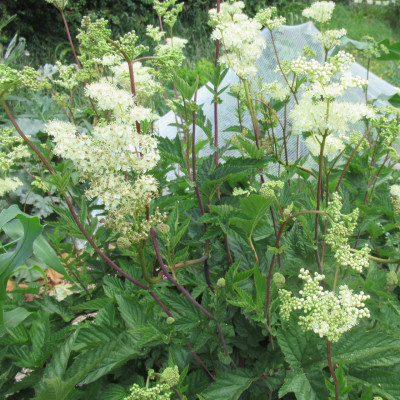
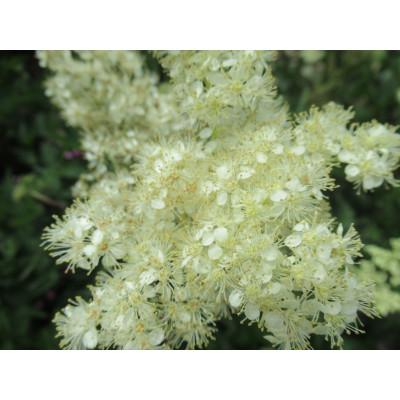
Meadowsweet (Filipendula ulmaria)
Family: Rosaceae
Common names: Meadowsweet, Mead Wort
A beautiful, hardy perennial herb treasured for both its elegant creamy-white flower heads and its long history of traditional herbal use. Meadowsweet thrives in moist soils and produces masses of sweetly scented flowers that attract bees and other beneficial insects throughout summer.
Order is for 1 healthy dormant crown, carefully divided during winter dormancy. Meadowsweet divides exceptionally well, giving us an excellent re-establishment rate. Simply plant it into your garden upon arrival and enjoy many years of abundant growth.
Growing instructions, harvesting tips, and traditional herbal uses are provided below.
Currently unavailable for 2026. Due to an unusually cool and marginal growing season, our turmeric crop produced very little rhizome division this year. As a result, we will not have plants available for sale in 2026.
Expected availability: July 2027. Please sign up below to join the waiting list and be notified when plants become available again.
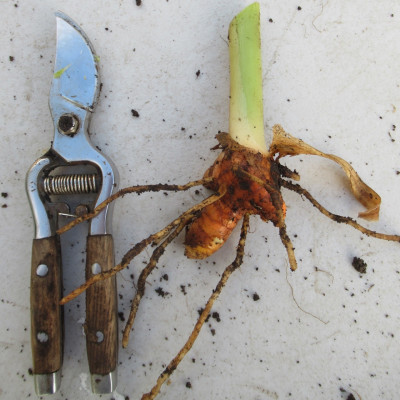
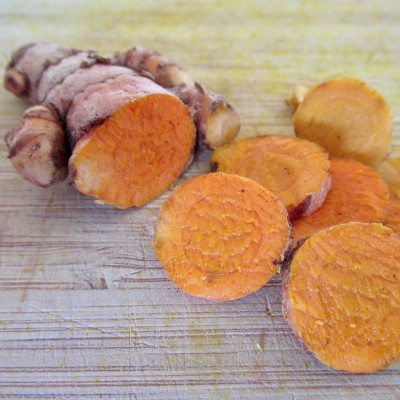
Turmeric (Curcuma longa)
Family: Zingiberaceae
Turmeric is one of the world's most celebrated medicinal and culinary plants, prized for its vibrant golden rhizomes and long history of use in traditional herbal medicine. A close relative of ginger, it thrives in warm conditions and produces lush tropical foliage as well as highly valued underground rhizomes rich in curcuminoids—the compounds responsible for turmeric's distinctive colour and many of its researched health benefits.*
Widely used in curries, teas, tonics, and herbal preparations, turmeric has become a cornerstone of both traditional and modern wellness practices. Research continues to investigate its role in supporting healthy inflammatory responses, antioxidant activity, and overall wellbeing.
When available, each order includes one healthy turmeric crown, ready to establish and produce a new clump of rhizomes. Growing instructions, harvesting information, and culinary uses are provided below.
Family: Asteraceae
Common names: Goldenrod, European Goldenrod, True Goldenrod, Woundwort
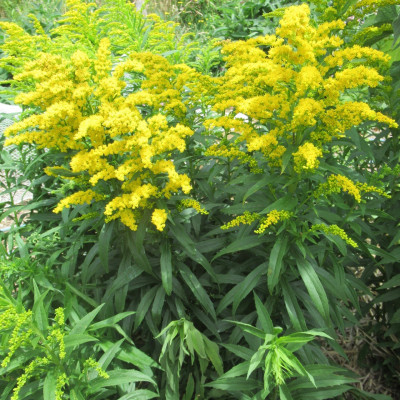
Goldenrod is a beautiful hardy perennial with graceful spikes of brilliant golden-yellow flowers that bloom from late summer into autumn. A favourite in cottage gardens, wildflower meadows, herb gardens, and pollinator plantings, it attracts bees, butterflies, and many other beneficial insects while adding a splash of colour late in the growing season.
Traditionally valued in European herbal medicine, goldenrod has long been used as a medicinal herb and was once applied to support wound healing. The vibrant flowers have also been used to produce a natural yellow dye.
Your plant is shipped during its winter dormancy as a bare-root crown with healthy growing buds already formed but little or no top growth (see example image below). Simply plant it into your garden over winter and it will emerge vigorously in spring, returning year after year with minimal care.
Growing instructions can be found below.
Bulbine frutescens
Family: Asphodelaceae
Common names: Burn jelly plant, stalked bulbine, snake flower, cat’s tail
Burn Jelly Plant is a hardy, waterwise perennial valued for both its ornamental beauty and traditional medicinal uses. With its succulent foliage and cheerful star-shaped flowers, it makes an excellent ground cover, especially when planted en masse or used in rock gardens and dry landscapes. Easy to grow and drought tolerant, it is a popular addition to low-maintenance gardens.
Myoga (Zingiber mioga)
Family: Zingiberaceae
Common names: Myoga, Japanese Ginger, Mioga
Myoga is a beautiful, hardy perennial ginger grown for its edible flower buds rather than its roots. It produces lush tropical-looking foliage throughout summer, followed by striking pink and cream flower buds that emerge at ground level in late summer and autumn. Harvested just before they open, these tender buds have a delicate, aromatic flavour with hints of ginger and citrus. They are delicious eaten raw, pickled, or lightly sautéed, adding a fresh, zesty flavour to salads, stir-fries, soups, and traditional Japanese dishes.
Your order includes 1–2 dormant rhizomes (depending on size), each with healthy, well-developed growth buds ready to produce vigorous new shoots in spring (see sample image below). You will receive either one large rhizome or two to three smaller rhizomes of equivalent size.
Russian Comfrey Crowns (Symphytum × uplandicum)
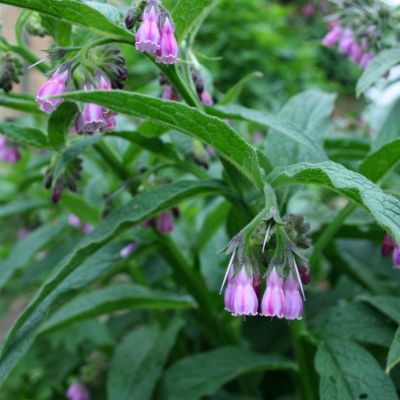
Russian comfrey is a highly valuable perennial for food forests, orchards, and organic garden systems. Known for its vigorous growth, deep root system, and ability to accumulate nutrients, it is widely used as a dynamic accumulator, compost ingredient, mulch plant, and natural garden fertiliser.
This hardy, low-maintenance plant produces abundant foliage that can be repeatedly harvested throughout the growing season and returned to the soil to support healthy plant growth. Once established, it forms a productive clump that returns year after year.
Each order includes 1 strong crown cutting with a growing tip. Plant directly into your garden over winter and it will emerge strongly in spring. Growing instructions and uses can be found below.
Skirret (Sium sisarum)
Skirret is a traditional European perennial root vegetable that was widely grown from medieval times through to the 19th century, valued for its sweet, clustered roots. Often referred to in old texts as a “sugar root,” it produces slender, finger-like roots that are sweeter and more aromatic than carrots when cooked.
The flavour is gently sweet, nutty, and floral, with a soft, creamy texture when roasted, boiled, or pan-fried. At KoruKai Herb Farm, we especially enjoy it simply sautéed in butter, where its natural sweetness really shines.
Skirret forms a clump of multiple edible roots from a single crown, making it a productive and rewarding perennial vegetable for the home garden. Once established, plants improve in yield each year as the root system expands.
Your order includes a healthy seedling with developing storage roots and shoots (see sample image below). Plant it directly into the garden on arrival and it will establish quickly, re-emerging strongly in spring.
Growing instructions and care details are provided below.
Motherwort (Leonurus cardiaca)
Family: Lamiaceae
Common names: Motherwort, Lion’s Tail
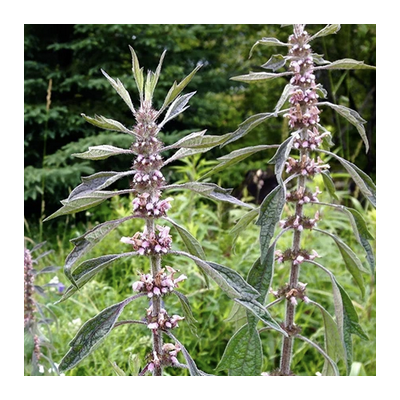
Motherwort is a hardy, easy-to-grow perennial herb from the mint family, valued for its calming effects on the nervous system and its long traditional use in supporting the heart and women’s health. With its tall leafy stems, soft pink flowers, and abundant summer growth, Motherwort is both medicinally powerful and highly attractive to bees and other pollinators.
Below you’ll find growing instructions, medicinal uses, and herbal preparation ideas.
Motherwort dies down in winter. You will receive a dormant plant.
Lemon Balm (Melissa officinalis)
Family: Lamiaceae
Common names: Lemon Balm, Balm Gentle
Lemon Balm is a vigorous, easy-to-grow perennial herb from the mint family, loved for its fresh citrus fragrance, soothing medicinal properties, and delicious flavour. Adaptable and generous, it thrives in a wide range of soil conditions and produces abundant growth throughout the season. With regular harvesting, we typically enjoy 3–4 cuts each year.
Lemon Balm dies down in winter. You will receive a dormant plant.
Below you’ll find growing instructions, medicinal uses, and herbal preparation ideas.
Wormwood (Artemisia absinthium)
Family: Asteraceae
Common names: Wormwood, Absinthe Wormwood, Green Ginger
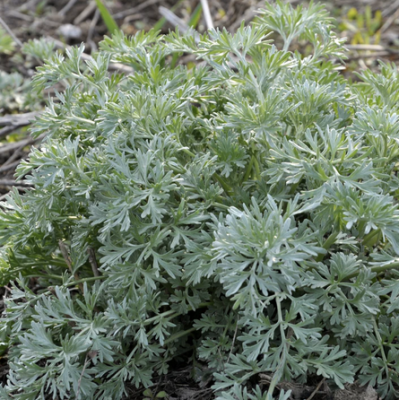
Wormwood is a hardy, aromatic perennial herb prized for its striking silvery foliage, intense bitterness, and powerful medicinal properties. Traditionally used as a digestive tonic and vermifuge, it is one of the classic bitter herbs of Western herbal medicine. Easy to grow and drought tolerant once established, Wormwood thrives in poor soils and makes a beautiful structural plant in the herb garden.
Wormwood dies down in winter. You will receive a dormant crown with established shoots.
Below you’ll find growing instructions, medicinal uses, and herbal preparation ideas.
Valerian Crowns (Valeriana officinalis)
Valerian is a well-known medicinal herb traditionally used to support restful sleep and help with insomnia.*
Each order includes 1 healthy valerian crown cutting with a growing tip. Plant directly into your garden over winter and it will emerge again in spring. See photos below for examples of the growing tips.
Organically grown at KoruKai Herb Farm without synthetic fertilisers, pesticides, or herbicides.
Woundwort (Stachys sylvatica)
Family: Lamiaceae
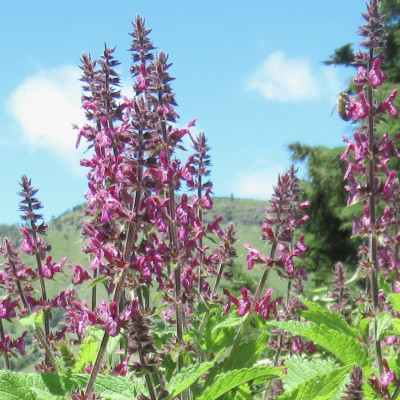
Woundwort is a hardy woodland perennial from the mint family with a long history of use as a traditional first-aid herb. For centuries it has been valued for supporting the healing of cuts, wounds, bruises, and skin irritations, earning its common name through generations of herbal use. In summer, it produces elegant spikes of deep purple flowers that are highly attractive to bees and other beneficial pollinators, while its lush green foliage makes an excellent addition to woodland gardens and food forests.
Your order includes 3 dormant plants with healthy growing tips, ready to establish quickly and send up vigorous new growth in spring. Please see the photos and growing information below.
Marshmallow Crowns (Althaea officinalis)
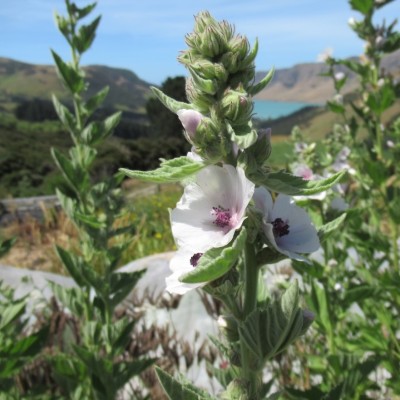
Marshmallow is a traditional medicinal herb valued for its soothing properties. The leaves and roots have historically been used to support inflammation and irritation of the respiratory, digestive, and urinary systems, including dry coughs, stomach irritation, and urinary tract discomfort.*
Marshmallow goes dormant in winter. Each order includes one marshmallow crown cutting with a growing tip (see image below). Simply plant into your garden over winter and watch it emerge vigorously in spring.
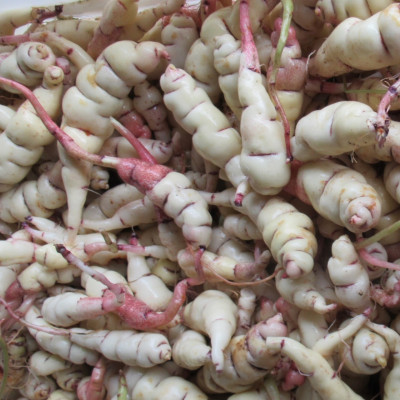
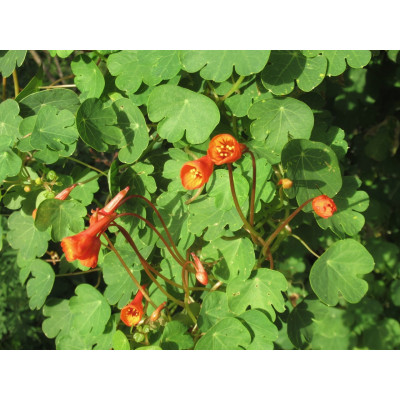
Mashua (pronounced Mah-shwuh) is a colourful Andean tuber closely related to the garden nasturtium. Exceptionally easy to grow, highly productive, and one of the most cold-hardy Andean root crops, it produces generous harvests of delicious tubers with very little care.
The tubers range from the size of small potatoes to large yams and develop a pleasantly sweet, slightly peppery flavour that becomes milder and sweeter when cooked. Even the young leaves and flowers are edible, making Mashua a truly versatile perennial vegetable.
A valuable companion plant, Mashua is traditionally grown alongside other crops because its aromatic foliage helps deter many insect pests, nematodes, and soil-borne diseases.
Each order includes either one large tuber or two medium-sized tubers, ready to plant. Simply place them in the garden when you receive them and watch them emerge in spring.
Growing instructions, harvesting advice, and culinary uses can be found below.
Sorrel (Rumex acetosa)
Family: Polygonaceae
Common names: Sorrel, Garden Sorrel, Lemon Sorrel
Sorrel is a hardy, long-lived perennial vegetable prized for its vibrant green leaves and distinctive fresh, lemony flavour. One of the first edible greens to emerge in spring, it provides an abundant harvest over many months and is delicious in salads, soups, sauces, omelettes, quiches, and pesto. Easy to grow and remarkably productive, Sorrel quickly forms generous clumps that can be divided every few years to create new plants.
Your Sorrel is supplied as a dormant root division during winter, with little or no foliage visible at the time of purchase. Simply plant it into the garden or a pot, and as the soil warms in spring it will send up vigorous new shoots.
During the first season, harvest lightly to allow the plant to establish a strong root system, and remove flower stalks as they appear to encourage continuous leaf production. After around a year, the clump can be lifted and divided to propagate additional plants and keep it growing vigorously for many years.