



Skirret (Sium sisarum)
Skirret is a traditional European perennial root vegetable that was widely grown from medieval times through to the 19th century, valued for its sweet, clustered roots. Often referred to in old texts as a “sugar root,” it produces slender, finger-like roots that are sweeter and more aromatic than carrots when cooked.
The flavour is gently sweet, nutty, and floral, with a soft, creamy texture when roasted, boiled, or pan-fried. At KoruKai Herb Farm, we especially enjoy it simply sautéed in butter, where its natural sweetness really shines.
Skirret forms a clump of multiple edible roots from a single crown, making it a productive and rewarding perennial vegetable for the home garden. Once established, plants improve in yield each year as the root system expands.
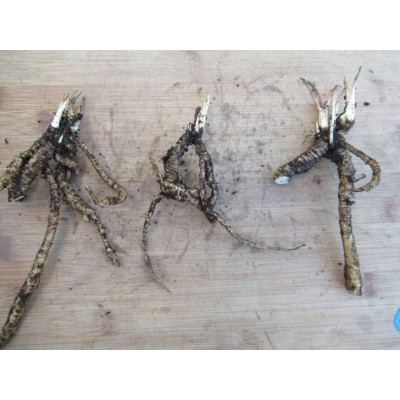
Your order includes a healthy seedling with developing storage roots and shoots (see sample image below). Plant it directly into the garden on arrival and it will establish quickly, re-emerging strongly in spring.
Growing instructions and care details are provided below.
 Security policy
Secure credit card, bank transfer or POLi payment!
 Delivery policy
Proudly support NZ Post/CourierPost!
 Return policy
We exchange or refund if you are not happy!

Guarantee safe & secure checkout
Organically grown at KoruKai Herb Farm, Banks Peninsula, without the use of synthetic fertilisers, pesticides, or herbicides.
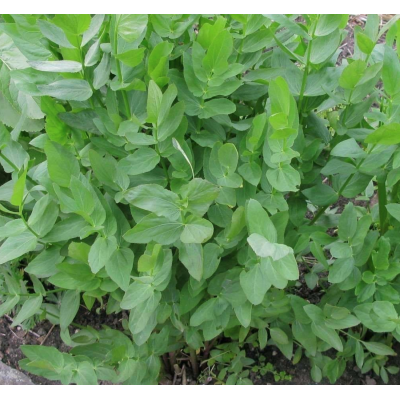
Skirret is a traditional perennial root vegetable in the Apiaceae family, alongside carrots, parsnips, parsley, and celery. Once widely grown across Europe and Asia, it is valued for its sweet, clustered roots and long-lived productivity in the garden. Plants grow to just under one metre tall and may flower even in their first season, though they are primarily grown for their edible storage roots.
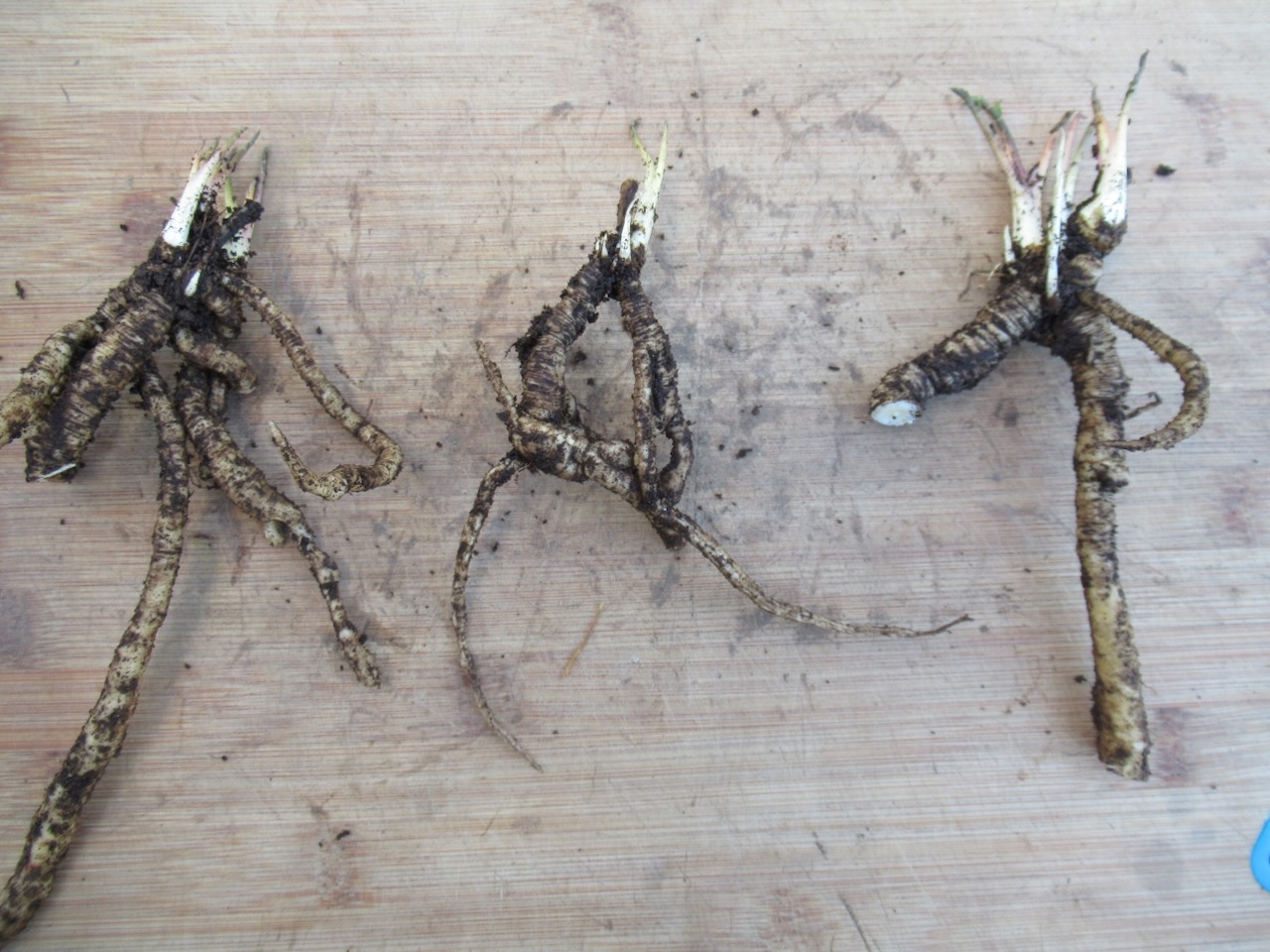
This is a true perennial crop that returns year after year, forming a clump of multiple finger-like storage roots radiating from a central crown. The root cluster has a distinctive, almost “octopus-like” structure, with a mix of thick and fine roots that can be selectively harvested over time.
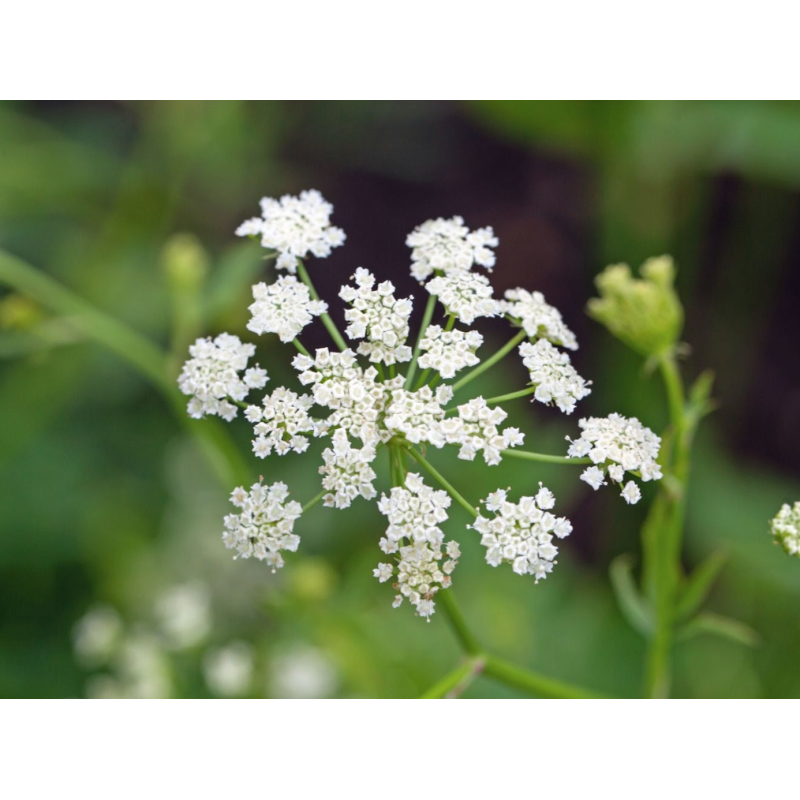
As with other members of the carrot family, Skirret produces umbels of small white flowers that are highly attractive to beneficial insects, including lacewings, ladybirds, hoverflies, and parasitic wasps—making it a valuable addition to ecological gardens and food forests.
Skirret is also highly nutritious, traditionally valued as a strengthening food rich in vitamin C, potassium, and dietary fibre, along with antioxidant compounds that support overall wellbeing and cellular health.
You will receive a crown with some storage roots and growing shoots similar to one of them in the image below.
Skirret is a hardy, adaptable crop native to Europe and Asia. In the wild it is often found growing in streamside and moist meadow environments, but it adapts well to cultivated garden systems. It performs best in full sun, though it will tolerate partial shade, particularly in hotter regions where root development benefits from reduced heat stress. In areas where temperatures regularly exceed 32°C, afternoon shade and consistent watering are recommended.
It is highly cold tolerant and survives winter dormancy easily, even in frozen soil, making it suitable for gardens throughout New Zealand.
Skirret can also be grown in large containers (20 litres or more), although consistent moisture is essential, as dry conditions significantly reduce root size and productivity.
Skirret prefers acidic to neutral soils and performs best in well-drained, moisture-retentive soil rich in organic matter. It is also surprisingly tolerant of heavier or even periodically wet soils, provided drainage is not permanently stagnant.
Before planting, enrich the soil with generous amounts of compost, well-rotted manure, or vermicast. Space plants 30–45 cm apart in a sunny garden or food forest system.
Skirret dies back in autumn and re-emerges in spring, so it is essential to clearly mark planting locations for winter harvest and maintenance.
Apply a thick winter mulch of compost, leaves, or organic matter each year to build soil fertility and support ongoing root production. Water deeply and regularly during establishment and dry periods, especially in summer.
Once established, Skirret is very low maintenance. Its main requirement is consistent soil moisture—if the soil does not dry out completely, it largely takes care of itself.
Please also see our video below about planting skirret:
Skirret is typically ready for its first harvest at the end of the first growing season, once the foliage has died back. Yields improve significantly in the second year and continue to increase as the clump matures.
Because it is perennial, Skirret can be harvested flexibly once established—either selectively through the year or in bulk during winter dormancy when the soil is workable.
At KoruKai Herb Farm, we harvest in mid-winter. Clumps are lifted, crowded plants are divided, and the largest storage roots are removed for food. Selected crowns are then replanted at 30 cm spacing with fresh compost added to each planting hole, ensuring ongoing productivity.
Skirret stores well in the ground provided soil conditions are not excessively wet and pest pressure is low. If lifting for storage, intact root balls can be kept at approximately 4°C with high humidity (around 95%) for 3–4 months. At room temperature, they remain fresh for about a week.
Young spring shoots are also edible and can be harvested early in the season as a tender green vegetable.

Skirret is a nutrient-rich traditional food, valued for its vitamin C, potassium, and dietary fibre, all of which support general health, digestion, and immune function. Its fibre content supports healthy gut function and regularity, while its antioxidant compounds may help protect cells from oxidative stress caused by free radicals. It has also been traditionally regarded as a gently strengthening root vegetable, often associated with vitality and seasonal nourishment. Some traditional uses also attribute mild anti-inflammatory properties, making it a valued part of a restorative diet.
Skirret has a naturally sweet flavour often described as a cross between carrot and parsnip, with a soft, creamy texture when cooked.
It can be used in many of the same ways as carrots:
The roots do not need peeling, although older or drought-stressed roots may develop tougher skin or a fibrous central core. These are easiest to remove after cooking, when they can be slipped or pulled away easily.
Skirret also works well in soups where it naturally breaks down, adding sweetness and body to the dish. Young spring shoots are edible and can be eaten raw or lightly blanched.
A thick bundle of harvest-able storage roots on this 3-year old plant.

Ingredients: live dormant plant material to plant into your garden
Finally cooked some the way you suggested and they are yum! Replanted and am looking forward to a bigger harvest next season. So pleased I gave them a try. I did have a job digging up my original plant which I had left 2 seasons but got there in the end.
Both the skirret and evergreen comfrey are doing well.
My skirret took a while to sprout but was doing well until the hail storm came along last week. It seems to be recovering slowly now.<br />
Had never heard of Skirret, thought it sounded tasty, so gave it a go. Plant is growing well and I am looking forward to trying it.
My skirret is doing very well 6 months after planting, can't wait for it to be ready.
Originally wondered why I brought it, now I realise this plant offers a great return for investment. Mine have just taken off and produced so much food for little effort. Would recommend it to anyone.
My plant adapted well, didn't experience any 'check' and is growing strongly. Looks very healthy.
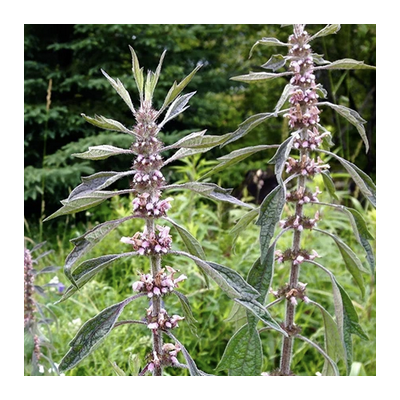
Motherwort (Leonurus cardiaca)
Family: Lamiaceae
Common names: Motherwort, Lion’s Tail
Motherwort is a hardy, easy-to-grow perennial herb from the mint family, valued for its calming effects on the nervous system and its long traditional use in supporting the heart and women’s health. With its tall leafy stems, soft pink flowers, and abundant summer growth, Motherwort is both medicinally powerful and highly attractive to bees and other pollinators.
Below you’ll find growing instructions, medicinal uses, and herbal preparation ideas.
Motherwort dies down in winter. You will receive a dormant plant.
Medicinal Comfrey (Symphytum officinale)
Family: Boraginaceae
Common names: Comfrey, Common Comfrey, Knitbone
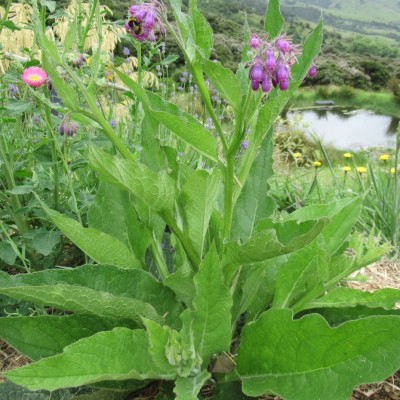
Medicinal Comfrey is a deep-rooted, hardy perennial herb renowned for its powerful healing properties and exceptional ability to build soil fertility. Traditionally known as “knitbone,” it has long been used to support tissue repair, bruising, sprains, and wound healing. Fast-growing and highly productive, Comfrey is an invaluable medicinal herb as well as a nutrient-rich mulch plant for the garden.
Below you’ll find growing instructions, medicinal uses, and herbal preparation ideas.
You will receive one dormant crown with a growing tip.
Russian Comfrey Crowns (Symphytum × uplandicum)
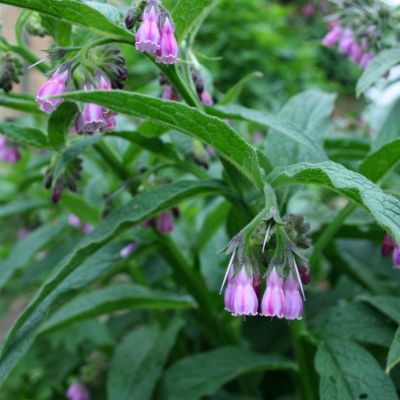
Russian comfrey is a highly valuable perennial for food forests, orchards, and organic garden systems. Known for its vigorous growth, deep root system, and ability to accumulate nutrients, it is widely used as a dynamic accumulator, compost ingredient, mulch plant, and natural garden fertiliser.
This hardy, low-maintenance plant produces abundant foliage that can be repeatedly harvested throughout the growing season and returned to the soil to support healthy plant growth. Once established, it forms a productive clump that returns year after year.
Each order includes 1 strong crown cutting with a growing tip. Plant directly into your garden over winter and it will emerge strongly in spring. Growing instructions and uses can be found below.
Family: Asteraceae
Echinacea is one of the world's best-known medicinal herbs, traditionally valued for supporting a healthy immune system and helping the body respond to seasonal illness.*
These healthy 2–3 year old crowns are well established and ready to produce vigorous new growth and beautiful purple daisy-like flowers each summer. Simply plant into your garden upon arrival and enjoy this hardy perennial for many years to come.
Growing instructions, harvesting tips, and traditional herbal uses are provided below.
Apple Mint (Mentha suaveolens)
Family: Lamiaceae
Common names: Apple Mint, Woolly Mint, Fuzzy Mint
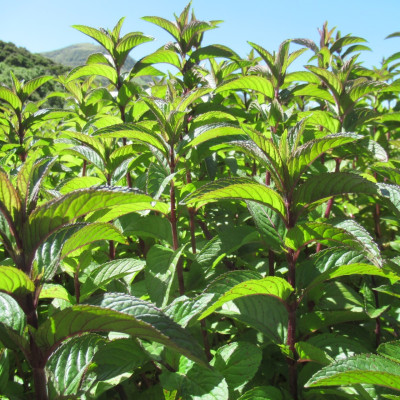
Apple Mint is a wonderfully fragrant and easy-to-grow perennial herb, loved for its soft, velvety leaves and refreshing apple-mint flavour. Delicious in herbal teas, iced drinks, desserts, fruit salads, and savoury dishes, it is one of the most versatile mints for the kitchen. Its sweet aroma, attractive foliage, and nectar-rich flowers also make it a favourite with bees and other beneficial pollinators.
Your plant is supplied bare-rooted to ensure it arrives in excellent condition. Simply plant it into a pot or directly into the garden on arrival, water well for the first few days, and it will quickly establish into a vigorous, productive herb. Growing instructions, harvesting tips, and culinary uses are provided below.
Rosemary (Salvia rosmarinus)
Family: Lamiaceae
Rosemary is a beautiful evergreen Mediterranean herb, treasured for its fragrant, needle-like leaves, stunning blue flowers, and wide range of culinary and medicinal uses. Hardy, drought tolerant, and long-lived, it makes an attractive addition to herb gardens, food forests, edible hedges, and pollinator plantings.
Flowering from late winter through spring, Rosemary provides an important early nectar source for honeybees and other beneficial insects when few other plants are in bloom. Its aromatic foliage is indispensable in the kitchen, pairing beautifully with roasted vegetables, potatoes, breads, lamb, poultry, and many Mediterranean dishes.
Your order includes one healthy bare-rooted seedling, ready to establish quickly in your garden or a large container. Growing instructions, harvesting advice, and traditional medicinal uses are provided below.
True Peppermint Rhizomes (Mentha × piperita)
A true, high-quality peppermint selected for its strong, clean flavour and reliable vigour - distinct from common garden mints often sold under the same name. This is the same commercial strain grown at KoruKai Herb Farm and is rarely available through retail outlets.
Plants are supplied as dormant rhizomes with active growing tips, shipped nationwide during winter dormancy for easy establishment.
Frost tolerant and highly productive once established.
Peppermint dormant plant (see image below) is suitable for a 20 cm planter or pot and will have growing shoots in place.
Family: Apiaceae
Lovage is a hardy, long-lived perennial herb treasured for its rich, celery-like flavour and remarkable productivity. Every part of the plant is useful—the leaves add depth to soups, stews and salads, the stems can be enjoyed like celery, the seeds are used as a spice, and the roots have a long history of culinary and traditional herbal use.
Order is for 1 dormant crown with healthy growing buds. Simply plant it into your garden upon arrival and watch it burst into vigorous new growth in spring. Growing instructions, harvesting tips, and traditional uses are provided below.
Wormwood (Artemisia absinthium)
Family: Asteraceae
Common names: Wormwood, Absinthe Wormwood, Green Ginger
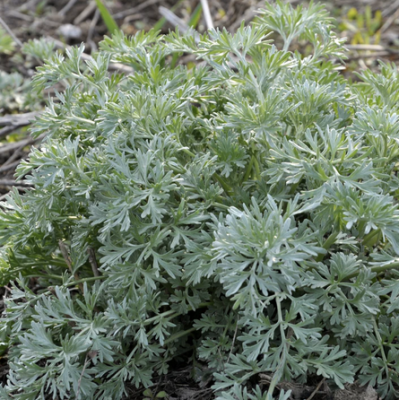
Wormwood is a hardy, aromatic perennial herb prized for its striking silvery foliage, intense bitterness, and powerful medicinal properties. Traditionally used as a digestive tonic and vermifuge, it is one of the classic bitter herbs of Western herbal medicine. Easy to grow and drought tolerant once established, Wormwood thrives in poor soils and makes a beautiful structural plant in the herb garden.
Wormwood dies down in winter. You will receive a dormant crown with established shoots.
Below you’ll find growing instructions, medicinal uses, and herbal preparation ideas.
We may have more Tarragon plants available. We will assess and count up what we have available on Monday. So check back again.
French Tarragon (Artemisia dracunculus var. sativa)
Family: Asteraceae
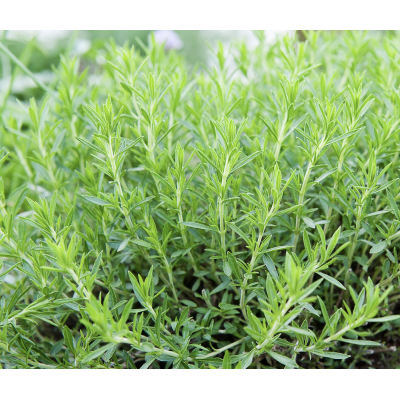
French tarragon is one of the finest culinary herbs, prized for its delicate anise-like flavour and fragrant, narrow green leaves. An essential ingredient in classic French cuisine, it is delicious in béarnaise, hollandaise, and tartare sauces, as well as with chicken, fish, eggs, potatoes, salads, and homemade herb butter. The leaves can be used fresh or dried.
Growing to approximately 30–40 cm tall, this hardy perennial forms an attractive clump and returns year after year with very little maintenance. Tiny yellow flowers may appear in summer.
You will receive one dormant first-year plant with visible growing shoots and little or no foliage, as French tarragon naturally dies back over winter (see example photo below). Simply plant it into your garden or a pot and it will emerge vigorously in spring. Regular harvesting and light pruning will encourage a dense, bushy plant.
Growing instructions can be found below.
Evergreen Dwarf Comfrey (Symphytum grandiflorum)
Family: Boraginaceae
Common names: Dwarf Comfrey, Creeping Comfrey
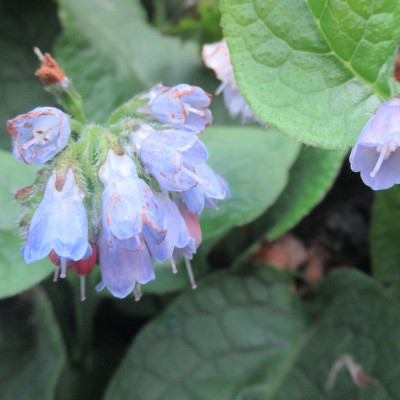
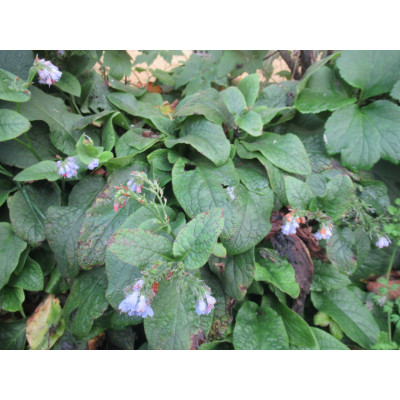
Evergreen Dwarf Comfrey is a low-growing, spreading perennial valued for its lush evergreen foliage, early nectar-rich flowers, and exceptional usefulness as a living mulch and groundcover. Unlike Medicinal Comfrey, this smaller species is primarily grown for its ecological and soil-building benefits, helping to suppress weeds, protect soil, and feed beneficial insects. Hardy, resilient, and easy to grow, it is an excellent addition to food forests, orchards, and regenerative gardens.
Due to its smaller size and more compact growth than regular comfrey it is ideal for smaller gardens, urban environments and small food forests. It makes an excellent border plant and ground cover and does well planted around fruit trees.
Can be grown throughout New Zealand. Frost tolerant.
Below you’ll find growing instructions, uses, and harvesting ideas.
Order is for 1 plant, bare rooted.
Valerian Crowns (Valeriana officinalis)
Valerian is a well-known medicinal herb traditionally used to support restful sleep and help with insomnia.*
Each order includes 1 healthy valerian crown cutting with a growing tip. Plant directly into your garden over winter and it will emerge again in spring. See photos below for examples of the growing tips.
Organically grown at KoruKai Herb Farm without synthetic fertilisers, pesticides, or herbicides.
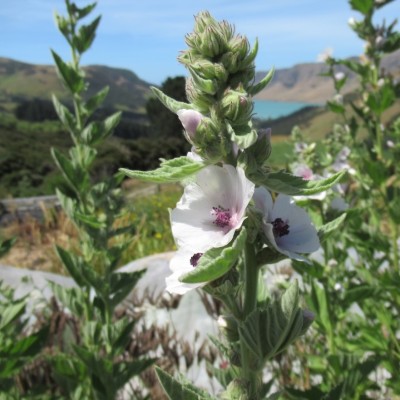
Marshmallow Crowns (Althaea officinalis)
Marshmallow is a traditional medicinal herb valued for its soothing properties. The leaves and roots have historically been used to support inflammation and irritation of the respiratory, digestive, and urinary systems, including dry coughs, stomach irritation, and urinary tract discomfort.*
Marshmallow goes dormant in winter. Each order includes one marshmallow crown cutting with a growing tip (see image below). Simply plant into your garden over winter and watch it emerge vigorously in spring.
Currently unavailable for 2026. Due to an unusually cool and marginal growing season, our turmeric crop produced very little rhizome division this year. As a result, we will not have plants available for sale in 2026.
Expected availability: July 2027. Please sign up below to join the waiting list and be notified when plants become available again.
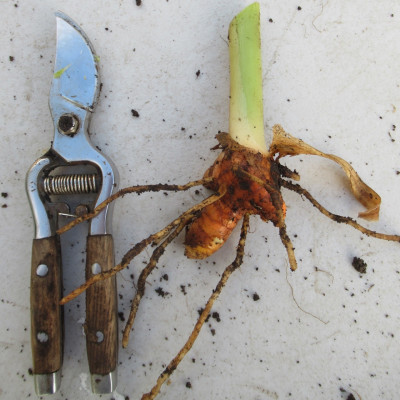
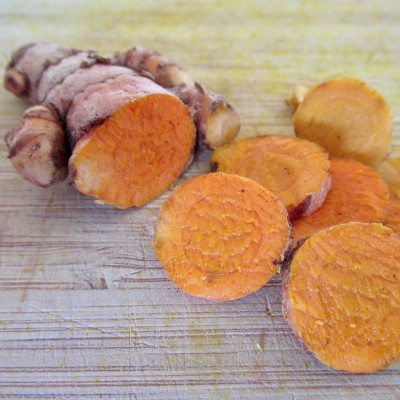
Turmeric (Curcuma longa)
Family: Zingiberaceae
Turmeric is one of the world's most celebrated medicinal and culinary plants, prized for its vibrant golden rhizomes and long history of use in traditional herbal medicine. A close relative of ginger, it thrives in warm conditions and produces lush tropical foliage as well as highly valued underground rhizomes rich in curcuminoids—the compounds responsible for turmeric's distinctive colour and many of its researched health benefits.*
Widely used in curries, teas, tonics, and herbal preparations, turmeric has become a cornerstone of both traditional and modern wellness practices. Research continues to investigate its role in supporting healthy inflammatory responses, antioxidant activity, and overall wellbeing.
When available, each order includes one healthy turmeric crown, ready to establish and produce a new clump of rhizomes. Growing instructions, harvesting information, and culinary uses are provided below.
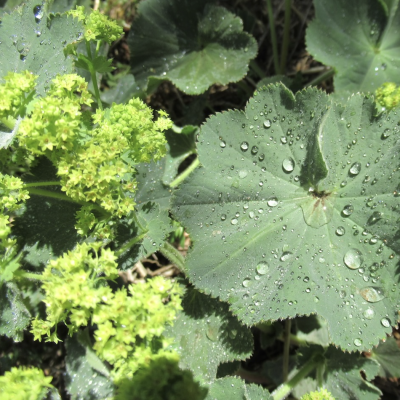
Lady’s Mantle (Alchemilla vulgaris)
Family: Rosaceae
Common names: Lady’s Mantle
Lady’s Mantle is a beautiful, hardy perennial herb cherished for its soft scalloped leaves, delicate chartreuse flowers, and long history of use in women’s herbal medicine. Known for its astringent and toning qualities, it is especially valued for supporting menstrual health, digestion, and wound healing. Easy to grow and highly ornamental, it thrives in a wide range of garden conditions and makes an elegant addition to the herb garden.
Below you’ll find growing instructions, medicinal uses, and herbal preparation ideas.
Lady's Mantle dies down in winter. You will receive a dormant plant without leaves, but with growing shoots in place.
Sorrel (Rumex acetosa)
Family: Polygonaceae
Common names: Sorrel, Garden Sorrel, Lemon Sorrel
Sorrel is a hardy, long-lived perennial vegetable prized for its vibrant green leaves and distinctive fresh, lemony flavour. One of the first edible greens to emerge in spring, it provides an abundant harvest over many months and is delicious in salads, soups, sauces, omelettes, quiches, and pesto. Easy to grow and remarkably productive, Sorrel quickly forms generous clumps that can be divided every few years to create new plants.
Your Sorrel is supplied as a dormant root division during winter, with little or no foliage visible at the time of purchase. Simply plant it into the garden or a pot, and as the soil warms in spring it will send up vigorous new shoots.
During the first season, harvest lightly to allow the plant to establish a strong root system, and remove flower stalks as they appear to encourage continuous leaf production. After around a year, the clump can be lifted and divided to propagate additional plants and keep it growing vigorously for many years.