


Family: Asteraceae
Echinacea is one of the world's best-known medicinal herbs, traditionally valued for supporting a healthy immune system and helping the body respond to seasonal illness.*
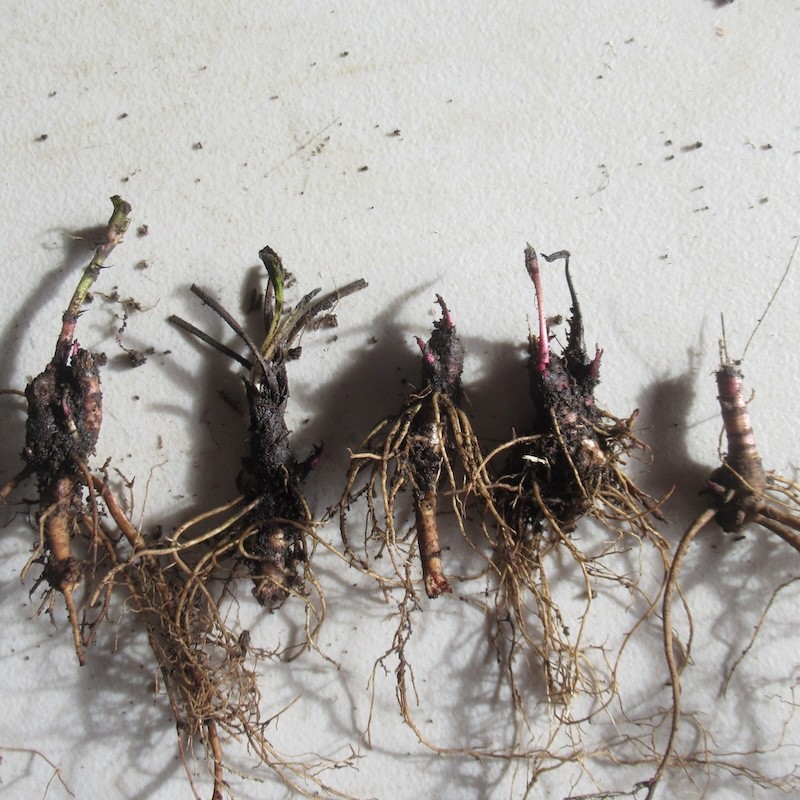
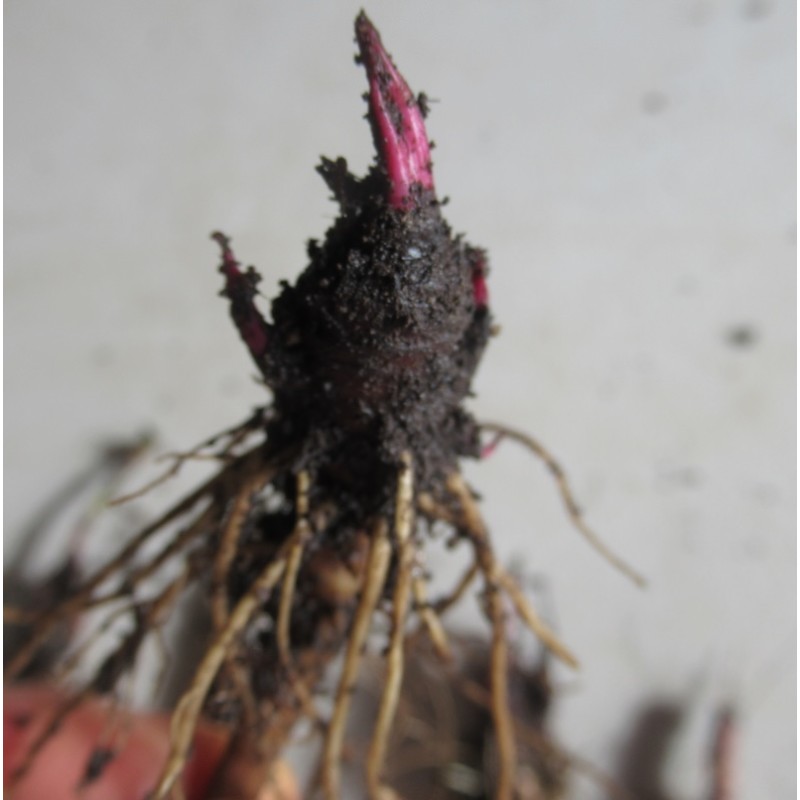
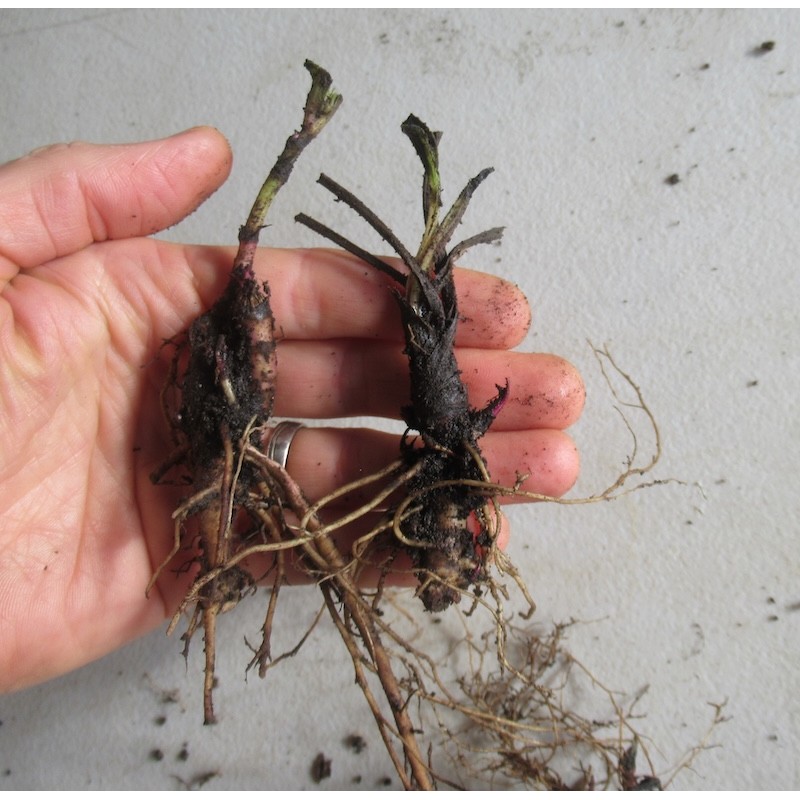
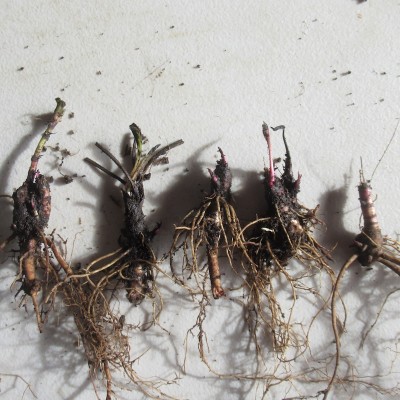
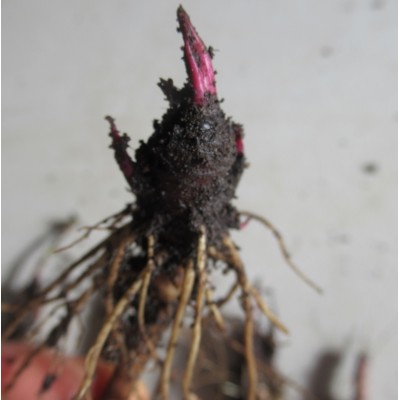
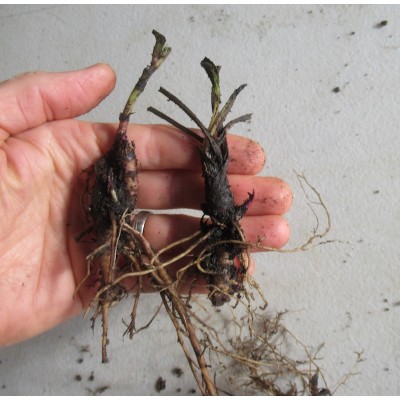
These healthy 2–3 year old crowns are well established and ready to produce vigorous new growth and beautiful purple daisy-like flowers each summer. Simply plant into your garden upon arrival and enjoy this hardy perennial for many years to come.
Growing instructions, harvesting tips, and traditional herbal uses are provided below.
 Security policy
Secure credit card, bank transfer or POLi payment!
 Delivery policy
Proudly support NZ Post/CourierPost!
 Return policy
We exchange or refund if you are not happy!

Guarantee safe & secure checkout
Organically grown at KoruKai Herb Farm, New Zealand, without the use of synthetic fertilisers, pesticides, or herbicides.
Echinacea is one of the most widely used medicinal herbs in Western herbal medicine and a beautiful addition to any garden. Native to the prairies of North America, this hardy perennial produces stunning purple daisy-like flowers that attract bees, butterflies, and other beneficial insects throughout summer. While the flowers are highly ornamental, it is the roots that are most prized by herbalists. Echinacea is a long-lived perennial that becomes increasingly productive each year and is well worth growing as part of a home herbal apothecary.
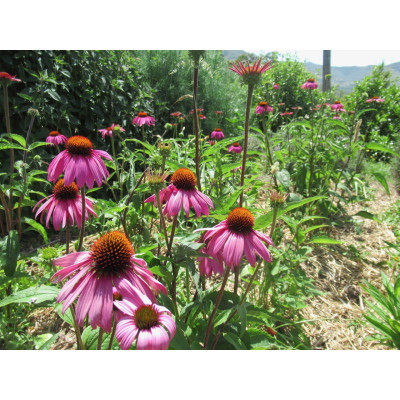
Highly photogenic herb, a truly stunning flower in the middle of summer. Plant echinacea where you can see it!

Image above: Echinacea purpurea grown amongst other herbs at KoruKai Herb Farm, Banks Peninsula
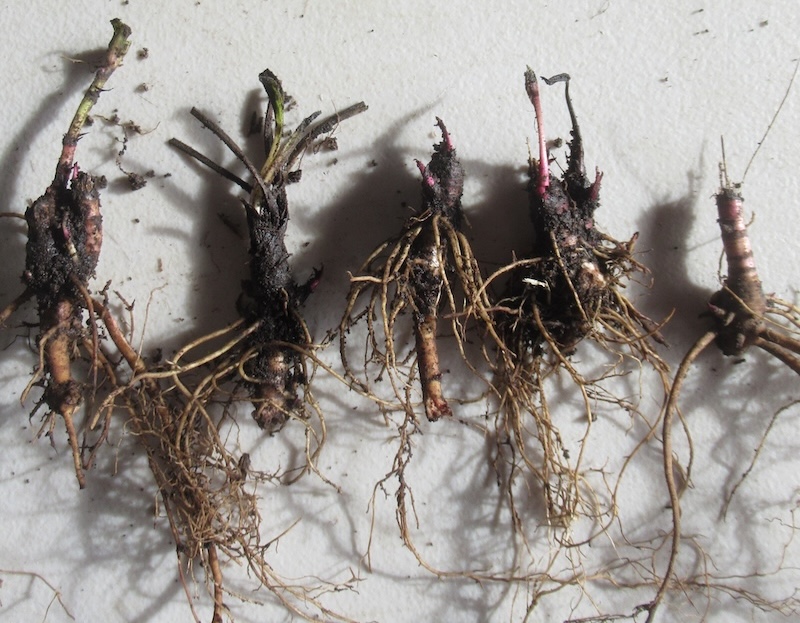
Echinacea is traditionally regarded as one of the most effective herbs for supporting a healthy immune system. It has been used for centuries by the Indigenous peoples of North America and remains one of the most extensively researched medicinal herbs today. Traditionally, echinacea has been used to support healthy immune function and to assist the body's natural response to seasonal colds and influenza. It has also been valued for supporting recovery from viral and bacterial infections, soothing sore throats and upper respiratory discomfort, promoting healthy lymphatic function, and supporting wound healing and healthy skin.
Many herbalists recommend echinacea at the first signs of illness to help stimulate the body's natural immune response and support recovery.
Echinacea is a remarkably hardy and easy-to-grow perennial that performs exceptionally well throughout New Zealand. It thrives in full sun with well-drained, fertile loamy soil and compost-rich garden beds. It needs moderate but consistent moisture. Although established plants tolerate extended dry periods, they produce far more vigorous growth and larger roots when watered during prolonged summer dry spells.
At KoruKai Herb Farm on Banks Peninsula we have successfully grown echinacea for many years. It handles our frosty winters and dry Canterbury summers with ease.
Because the roots are the primary medicinal part, good soil preparation is worthwhile. Annual applications of compost and organic mulch help maintain vigorous growth and maximise future root harvests.
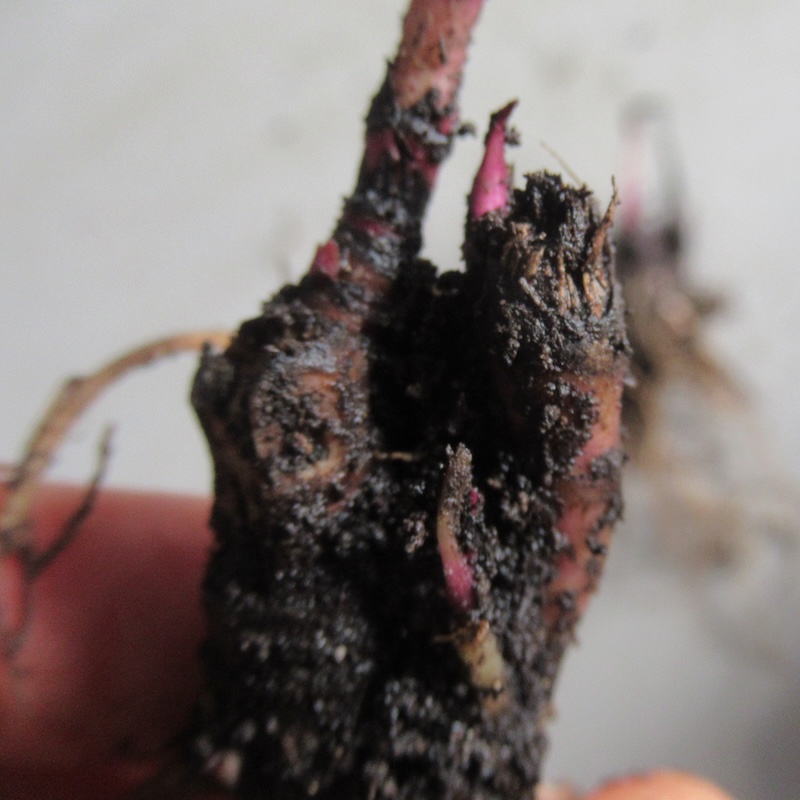
Your order contains a healthy dormant crown. Upon arrival unpack immediately and plant into a pot using quality potting mix enriched with compost. Position the crown so the growing buds sit just above the soil surface. Water thoroughly and keep in a sheltered position for the first few weeks.
When ready to transplant, prepare the garden with generous amounts of compost and well-rotted manure and plant into its permanent position during spring (September–October). Space plants approximately 45 cm apart and mulch around the crown to conserve moisture and suppress weeds. Water regularly during the first growing season, particularly through hot, dry weather.
Once established, echinacea is a low-maintenance perennial that will return reliably each spring.
Although the leaves and flowers can also be used, the roots contain the highest concentration of the constituents traditionally valued in herbal medicine. Allow plants to establish for 2–3 years before harvesting the roots as the plant are very slow to grow and mature.
Harvest in autumn after the foliage has naturally died back. Carefully loosen the soil around the plant with a garden fork and gently lift the entire root ball. Shake off excess soil, trim away any dead foliage, and harvest a portion of the roots while leaving enough of the crown and healthy roots intact for the plant to regrow. Well-established crowns can remain productive for many years when harvested carefully.
Older crowns often develop a dense network of roots that traps soil in the centre. Quartering the crown before washing makes cleaning much easier. Wash the roots thoroughly and cut any larger roots into smaller pieces to speed up drying.
Dry the roots with good airflow at 32–43°C, out of direct sunlight, until they are completely dry. Depending on humidity, this usually takes 3–7 days. Properly dried roots should snap cleanly rather than bend. Store whole dried roots in paper bags or airtight glass jars in a cool, dry place for up to two years, or prepare them as a tincture for longer storage. For maximum freshness and potency, grind the roots into powder only when needed.
Echinacea is traditionally prepared as tinctures, decoctions, herbal teas, capsules, mouthwashes, gargles, and throat sprays. It has long been used by herbalists as a traditional immune-support herb for both adults and children.
*This information is provided for educational purposes only and is not intended to diagnose, treat, cure, or prevent disease. Always consult a qualified and registered herbalist or healthcare practitioner before using medicinal herbs.
Ingredients: live plant material to plant into your garden
My echinacea has started growing nicely now. Very happy with it. Looking forward to it multipling
Family: Asteraceae
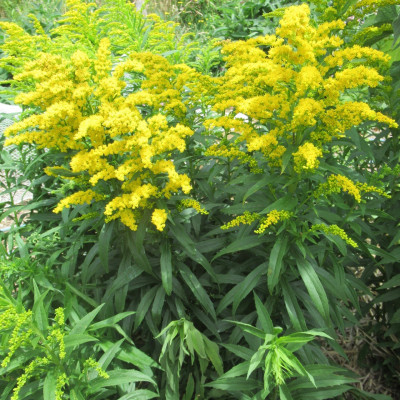
Common names: Goldenrod, European Goldenrod, True Goldenrod, Woundwort
Goldenrod is a beautiful hardy perennial with graceful spikes of brilliant golden-yellow flowers that bloom from late summer into autumn. A favourite in cottage gardens, wildflower meadows, herb gardens, and pollinator plantings, it attracts bees, butterflies, and many other beneficial insects while adding a splash of colour late in the growing season.
Traditionally valued in European herbal medicine, goldenrod has long been used as a medicinal herb and was once applied to support wound healing. The vibrant flowers have also been used to produce a natural yellow dye.
Your plant is shipped during its winter dormancy as a bare-root crown with healthy growing buds already formed but little or no top growth (see example image below). Simply plant it into your garden over winter and it will emerge vigorously in spring, returning year after year with minimal care.
Growing instructions can be found below.
Yacon (Smallanthus sonchifolius)
Family: Asteraceae
Order includes 1 crown (see sample images below).
Yacon, meaning “water root” in the Inca language, has been treasured for centuries in the Andes as a refreshing, thirst-quenching food for travellers. This vigorous perennial, related to the daisy family, produces crisp, juicy tubers with a uniquely sweet flavour—often described as a blend of fresh apple, watermelon, and pear.
Traditionally grown from Colombia to northern Argentina, Yacon is prized for its delicious edible roots, which can be eaten fresh or processed into the increasingly popular Yacon syrup. Its sweet juice can be concentrated into syrup, while the crunchy tubers make a refreshing and nutritious addition to the kitchen garden.
Family: Lamiaceae
Skullcap is a hardy perennial herb renowned for its calming and restorative properties. Native to North America, it produces masses of delicate blue-violet flowers in summer that are highly attractive to bees and other beneficial insects. It is one of the most valued herbs for supporting the nervous system and makes an excellent addition to any medicinal herb garden.*
Easy to grow and long-lived, Skullcap thrives in moist, fertile soil in full sun to partial shade. Once established, it returns year after year and provides abundant leafy growth for harvesting.
Your order includes three dormant rhizomes with growing buds, ready to plant. Growing instructions, harvesting advice, drying methods, and traditional medicinal uses can be found below.
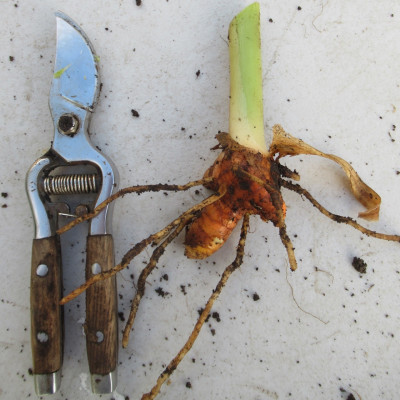
Currently unavailable for 2026. Due to an unusually cool and marginal growing season, our turmeric crop produced very little rhizome division this year. As a result, we will not have plants available for sale in 2026.
Expected availability: July 2027. Please sign up below to join the waiting list and be notified when plants become available again.
Turmeric (Curcuma longa)
Family: Zingiberaceae
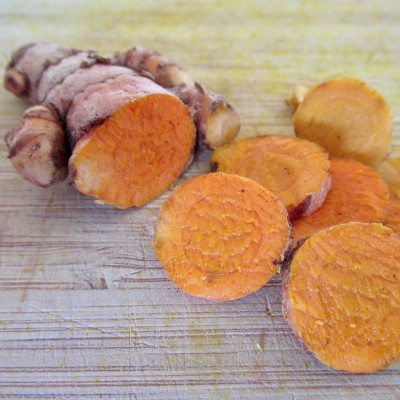
Turmeric is one of the world's most celebrated medicinal and culinary plants, prized for its vibrant golden rhizomes and long history of use in traditional herbal medicine. A close relative of ginger, it thrives in warm conditions and produces lush tropical foliage as well as highly valued underground rhizomes rich in curcuminoids—the compounds responsible for turmeric's distinctive colour and many of its researched health benefits.*
Widely used in curries, teas, tonics, and herbal preparations, turmeric has become a cornerstone of both traditional and modern wellness practices. Research continues to investigate its role in supporting healthy inflammatory responses, antioxidant activity, and overall wellbeing.
When available, each order includes one healthy turmeric crown, ready to establish and produce a new clump of rhizomes. Growing instructions, harvesting information, and culinary uses are provided below.
Bulbine frutescens
Family: Asphodelaceae
Common names: Burn jelly plant, stalked bulbine, snake flower, cat’s tail
Burn Jelly Plant is a hardy, waterwise perennial valued for both its ornamental beauty and traditional medicinal uses. With its succulent foliage and cheerful star-shaped flowers, it makes an excellent ground cover, especially when planted en masse or used in rock gardens and dry landscapes. Easy to grow and drought tolerant, it is a popular addition to low-maintenance gardens.
Apple Mint (Mentha suaveolens)
Family: Lamiaceae
Common names: Apple Mint, Woolly Mint, Fuzzy Mint
Apple Mint is a wonderfully fragrant and easy-to-grow perennial herb, loved for its soft, velvety leaves and refreshing apple-mint flavour. Delicious in herbal teas, iced drinks, desserts, fruit salads, and savoury dishes, it is one of the most versatile mints for the kitchen. Its sweet aroma, attractive foliage, and nectar-rich flowers also make it a favourite with bees and other beneficial pollinators.
Your plant is supplied bare-rooted to ensure it arrives in excellent condition. Simply plant it into a pot or directly into the garden on arrival, water well for the first few days, and it will quickly establish into a vigorous, productive herb. Growing instructions, harvesting tips, and culinary uses are provided below.
Motherwort (Leonurus cardiaca)
Family: Lamiaceae
Common names: Motherwort, Lion’s Tail
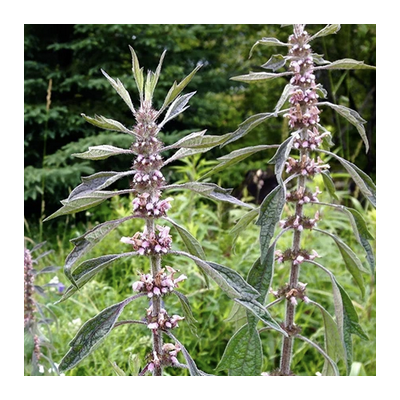
Motherwort is a hardy, easy-to-grow perennial herb from the mint family, valued for its calming effects on the nervous system and its long traditional use in supporting the heart and women’s health. With its tall leafy stems, soft pink flowers, and abundant summer growth, Motherwort is both medicinally powerful and highly attractive to bees and other pollinators.
Below you’ll find growing instructions, medicinal uses, and herbal preparation ideas.
Motherwort dies down in winter. You will receive a dormant plant.
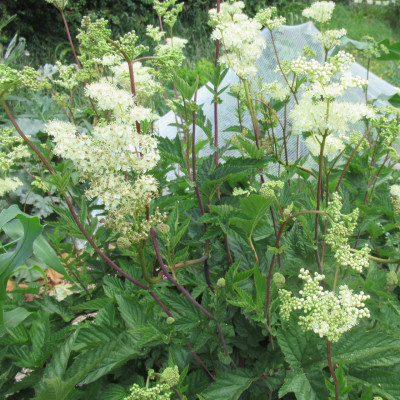
Meadowsweet (Filipendula ulmaria)
Family: Rosaceae
Common names: Meadowsweet, Mead Wort
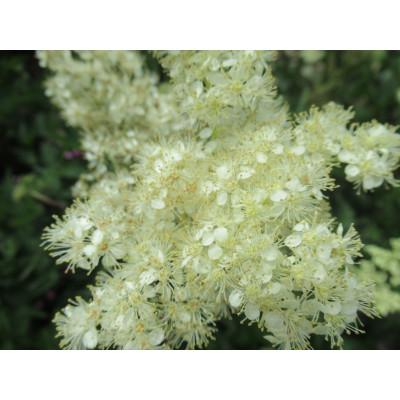
A beautiful, hardy perennial herb treasured for both its elegant creamy-white flower heads and its long history of traditional herbal use. Meadowsweet thrives in moist soils and produces masses of sweetly scented flowers that attract bees and other beneficial insects throughout summer.
Order is for 1 healthy dormant crown, carefully divided during winter dormancy. Meadowsweet divides exceptionally well, giving us an excellent re-establishment rate. Simply plant it into your garden upon arrival and enjoy many years of abundant growth.
Growing instructions, harvesting tips, and traditional herbal uses are provided below.
Multiplying Leek (Allium ampeloprasum var. porrum)
Family: Amaryllidaceae
Multiplying Leeks are one of our favourite perennial vegetables at KoruKai Herb Farm. Exceptionally easy to grow, hardy, and highly productive, they require very little care while providing a reliable harvest throughout winter and well into spring—just when annual leeks are finishing for the season.
Unlike ordinary leeks, these perennial leeks multiply naturally by forming clumps of new plants each year. Individual stems grow to around thumb thickness, with a mild, sweet leek flavour that is perfect for soups, stews, stir-fries, quiches, and countless other dishes. Harvest what you need and leave the remaining plants to continue multiplying, creating an increasingly abundant patch year after year.
Your order includes a healthy starter clump of 3–4 young multiplying leeks, ready to establish quickly in your garden. Planting instructions and growing tips are provided below.
Evergreen Dwarf Comfrey (Symphytum grandiflorum)
Family: Boraginaceae
Common names: Dwarf Comfrey, Creeping Comfrey
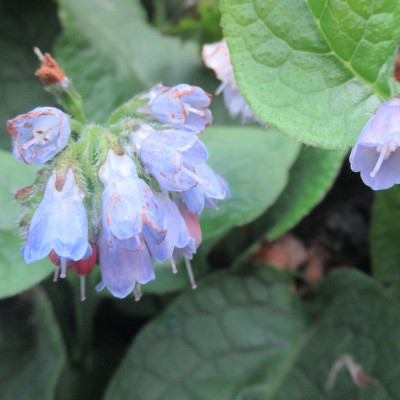
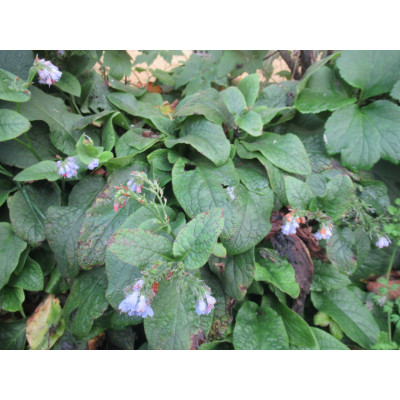
Evergreen Dwarf Comfrey is a low-growing, spreading perennial valued for its lush evergreen foliage, early nectar-rich flowers, and exceptional usefulness as a living mulch and groundcover. Unlike Medicinal Comfrey, this smaller species is primarily grown for its ecological and soil-building benefits, helping to suppress weeds, protect soil, and feed beneficial insects. Hardy, resilient, and easy to grow, it is an excellent addition to food forests, orchards, and regenerative gardens.
Due to its smaller size and more compact growth than regular comfrey it is ideal for smaller gardens, urban environments and small food forests. It makes an excellent border plant and ground cover and does well planted around fruit trees.
Can be grown throughout New Zealand. Frost tolerant.
Below you’ll find growing instructions, uses, and harvesting ideas.
Order is for 1 plant, bare rooted.
Lemon Balm (Melissa officinalis)
Family: Lamiaceae
Common names: Lemon Balm, Balm Gentle
Lemon Balm is a vigorous, easy-to-grow perennial herb from the mint family, loved for its fresh citrus fragrance, soothing medicinal properties, and delicious flavour. Adaptable and generous, it thrives in a wide range of soil conditions and produces abundant growth throughout the season. With regular harvesting, we typically enjoy 3–4 cuts each year.
Lemon Balm dies down in winter. You will receive a dormant plant.
Below you’ll find growing instructions, medicinal uses, and herbal preparation ideas.
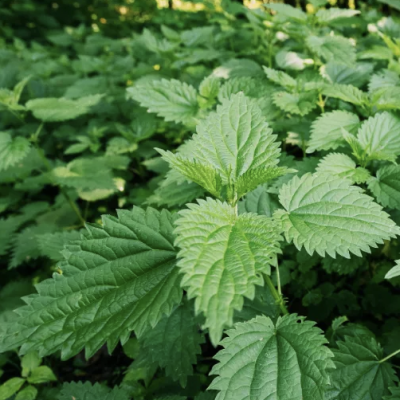
Perennial Stinging Nettle (Urtica dioica)
Family: Urticaceae
Stinging Nettle is one of the world's most valued medicinal and edible perennial herbs. Highly nutritious, vigorous, and remarkably versatile, it has been used for centuries as a nourishing food, traditional herbal medicine, natural fertiliser, compost activator, and livestock tonic. Once established, it forms productive patches that provide abundant harvests of tender spring shoots year after year.
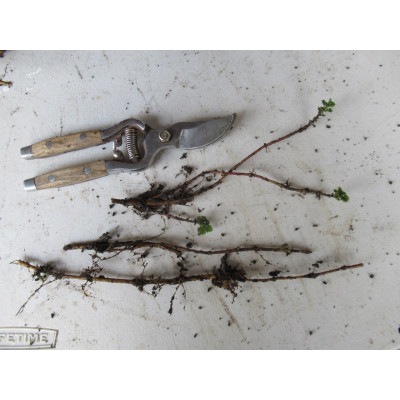
Your order includes 3 dormant rhizomes (approximately 20 cm long each), ready to establish quickly and send up vigorous new growth in spring. Planting instructions, harvesting advice, medicinal uses, and processing information are provided below.
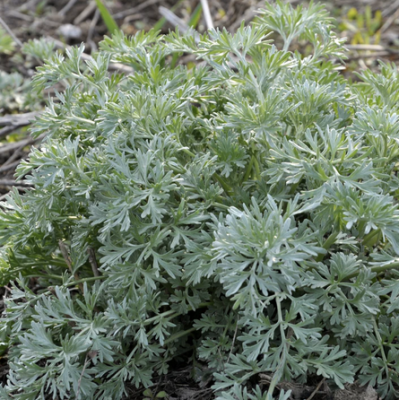
Wormwood (Artemisia absinthium)
Family: Asteraceae
Common names: Wormwood, Absinthe Wormwood, Green Ginger
Wormwood is a hardy, aromatic perennial herb prized for its striking silvery foliage, intense bitterness, and powerful medicinal properties. Traditionally used as a digestive tonic and vermifuge, it is one of the classic bitter herbs of Western herbal medicine. Easy to grow and drought tolerant once established, Wormwood thrives in poor soils and makes a beautiful structural plant in the herb garden.
Wormwood dies down in winter. You will receive a dormant crown with established shoots.
Below you’ll find growing instructions, medicinal uses, and herbal preparation ideas.
We may have more Tarragon plants available. We will assess and count up what we have available on Monday. So check back again.
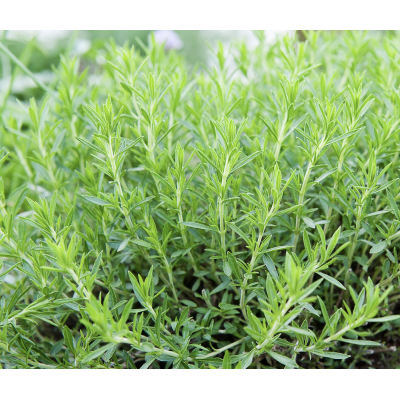
French Tarragon (Artemisia dracunculus var. sativa)
Family: Asteraceae
French tarragon is one of the finest culinary herbs, prized for its delicate anise-like flavour and fragrant, narrow green leaves. An essential ingredient in classic French cuisine, it is delicious in béarnaise, hollandaise, and tartare sauces, as well as with chicken, fish, eggs, potatoes, salads, and homemade herb butter. The leaves can be used fresh or dried.
Growing to approximately 30–40 cm tall, this hardy perennial forms an attractive clump and returns year after year with very little maintenance. Tiny yellow flowers may appear in summer.
You will receive one dormant first-year plant with visible growing shoots and little or no foliage, as French tarragon naturally dies back over winter (see example photo below). Simply plant it into your garden or a pot and it will emerge vigorously in spring. Regular harvesting and light pruning will encourage a dense, bushy plant.
Growing instructions can be found below.
Horseradish (Armoracia rusticana)
Horseradish is a hardy, fast-growing perennial root crop valued for its powerful, pungent roots used in traditional culinary and herbal preparations. Once established, it produces vigorous leafy growth above ground and a deep, spreading root system below, forming a long-lived and highly productive plant.
Freshly harvested roots are grated or crushed to release their signature heat and aroma, traditionally used to make sauces, condiments, and medicinal preparations. A little goes a long way, making horseradish a rewarding and self-sustaining addition to the edible garden.
Each order includes 1 dormant, bare-root horseradish plant with a healthy growing tip (see example images below), ready to establish quickly and shoot strongly in spring.
White Ginger (Hedychium coronarium)
Family: Zingiberaceae
White Ginger, also known as Butterfly Ginger or Himalayan Ginger, is a striking perennial from the ginger family grown for its lush tropical foliage and highly fragrant white flowers. The blooms resemble delicate butterflies in flight and release a rich, sweet perfume often compared to gardenias, making it one of the most aromatic ornamental gingers.
Despite sometimes being mislabelled in trade (including in New Zealand), White Ginger is distinct from culinary galangal species. While its rhizomes are edible and carry a mild, ginger-like flavour, it is primarily grown as an ornamental and fragrant garden plant.
This vigorous plant produces large clumps of upright stems and spreads gradually via underground rhizomes, forming a bold, tropical presence in the garden. It thrives in moist to boggy soils and performs best in full sun to partial shade, especially where soil moisture is consistently high.
Your order includes one healthy plant, ready to establish and grow into a lush flowering clump. Growing instructions and care details are provided below.