Next Date to be confirmed
Time: 1pm - 5pm
There is the option to stay longer and enjoy some dinner cooked on the fire. An extra charge applies for food.
Location: KoruKai Herb Farm, Pigeon Bay, Banks Peninsula
Please find Terms & Conditions as well as our cancellation policy here. When signing up for this workshop you automatically agree to the Terms & Conditions. Please make sure to read them.
 Security policy
Secure credit card, bank transfer or POLi payment!
 Delivery policy
Proudly support NZ Post/CourierPost!
 Return policy
We exchange or refund if you are not happy!

Guarantee safe & secure checkout
Scientists have found areas of the Amazon where soil up to 2 metres deep has high concentrations of charcoal and organic matter.
These dark-coloured soils – known as ‘terra preta’ (dark earth) – are highly fertile and have supported agriculture for centuries.
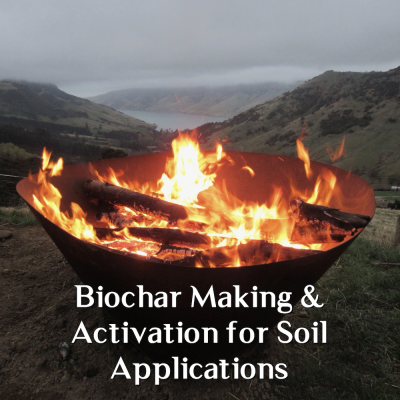
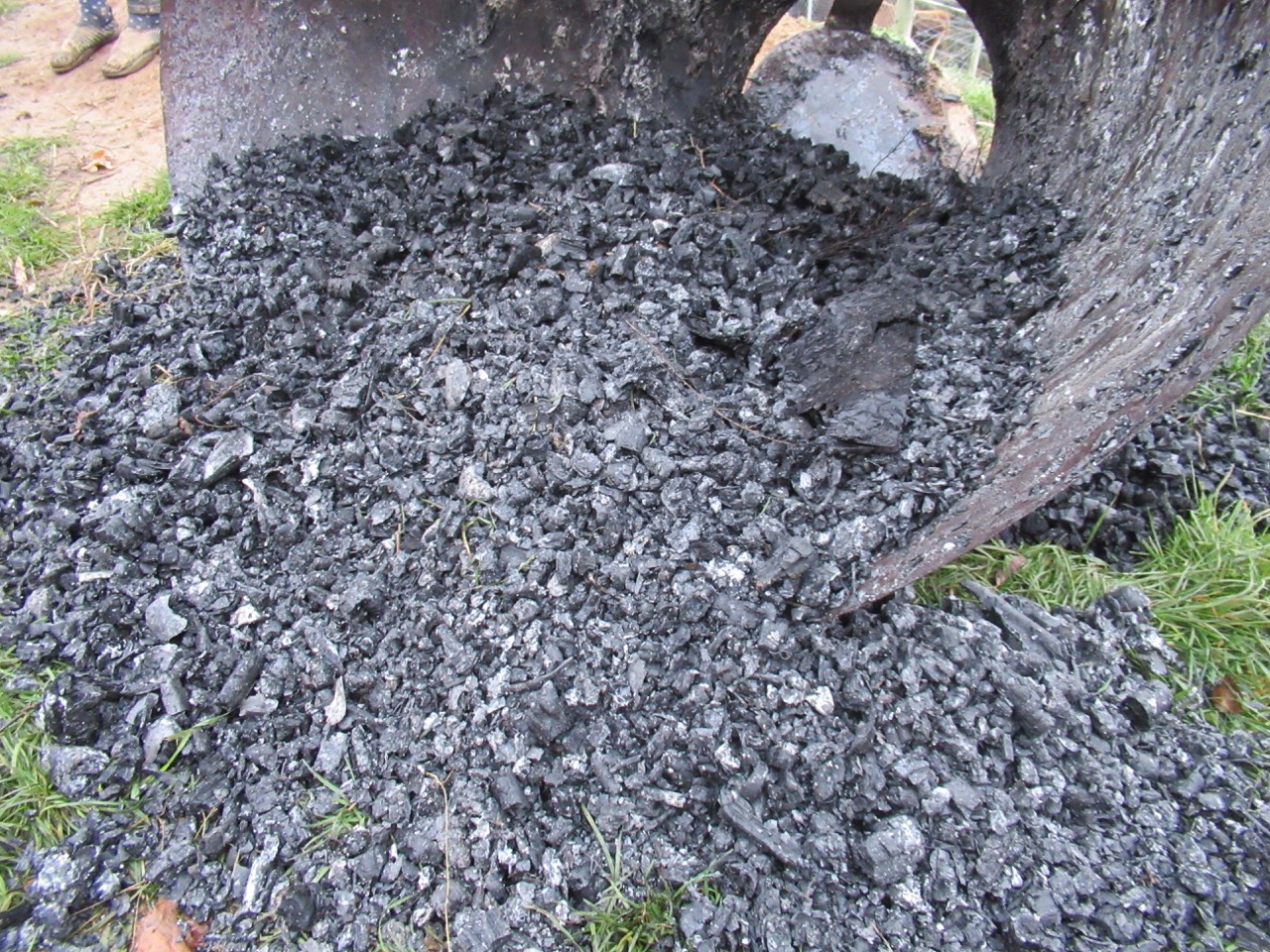
Biochar has a highly porous structure, making it a giant sponge which soaks up water, nutrients and invites microbial colonisation.
Adding biochar to your garden and pasture is an organic way to improve the soil. Research has found properly-made biochar helps the soil by holding moisture, retaining nutrients like nitrogen, phosphorus, and potassium, raising the pH of acidic soil, reducing the incidence of plant disease, increasing plant productivity, limiting the bioavailability of heavy metals, reducing nutrient leaching.
Then there is biochar’s potential to help with climate change. Biochar can store carbon over hundreds of years (sequestration), reduce greenhouse gases methane (CH₄), and carbon dioxide (CO₂) generated during waste disposal, waste processing, and recycling, produce renewable energy.
In this hands on workshop we will talk through how to build a biochar kiln and create biochar from start to finish.
Topics include:
Ingredients: information and practical knowledge
A deep dive into biological/regenerative farming and gardening for soil health, human health and environmental health.
Over two days we cover the soil food web, nutrient cycling, plant and soil microbiome, making hot compost, managing a worm farm and liquid extracts.
Next Date: 2-day workshop, date to be confirmed
Time: 9:30am - 4:30pm on both days
Location: KoruKai Herb Farm, Pigeon Bay, Banks Peninsula
This workshop includes a comprehensive workshop book to take home and a nourishing lunch on both days.
Please find Terms & Conditions as well as our Cancellation Policy here. When signing up for this workshop you automatically agree to them. Please make sure to read them.
You will learn about the foundation of soil health, holistic management and holistic planned grazing, plant diversity, fodder trees, pest, disease and weed management and lots more (see more topics below).
Next date to be confirmed! Sign up below to get an email once we have set a new date.
Time: 9:30am - 4:30pm on both days
Location: KoruKai Herb Farm, Pigeon Bay, Banks Peninsula
Discount available for a couple living at the same place. Please email [email protected] to sign up.
This workshop includes a comprehensive workshop booklet to take home and a nourishing lunch on both days.
PAYMENT PLANS AVAILABLE. Send us an email and we will work something out together.
Fully booked! To go onto the waiting list please sign up below.
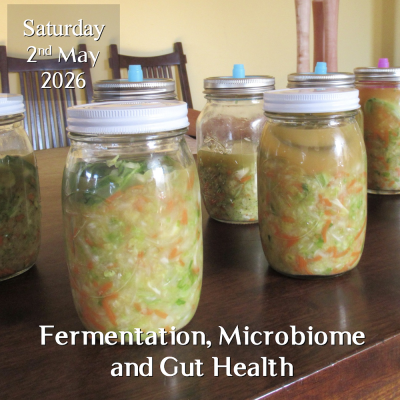
This is an informative workshop for anyone interested in healthy food. No cooking skills are required. You will walk away with some easy recipes that you can implement in your own kitchen using basic equipment.
Date: Saturday, 2nd May 2026
Time: 10am-2:30pm
Location: KoruKai Herb Farm, Pigeon Bay, Banks Peninsula
1 hour from Halswell, Carpooling from Chch is usually possible.
Wholesome lunch included!
Please find Terms & Conditions as well as our cancellation policy here. When signing up for this workshop you automatically agree to the Terms & Conditions. Please make sure to read them.
A relaxed, guided private tour of KoruKai Herb Farm in beautiful Pigeon Bay. Explore our regenerative farm systems, herbs, and food-growing practices with an experienced guide.
To arrange a date, please email [email protected] before making a booking.
Learn how to make gluten-free sourdough bread as well as gluten-free pizza dough and focaccia successfully at home.
To book our regular sourdough workshop please go here.
Next Date: to be confirmed
Time: 10am - 3pm
Location: KoruKai Herb Farm, Pigeon Bay, Banks Peninsula
Gluten-free lunch included!
You will walk away with a comprehensive recipe booklet and a free gluten-free sourdough starter.
Please find Terms & Conditions as well as our cancellation policy here. When signing up for this workshop you automatically agree to the Terms & Conditions. Please make sure to read them.
We will be working on an online version of this workshop. So stay tuned for that.
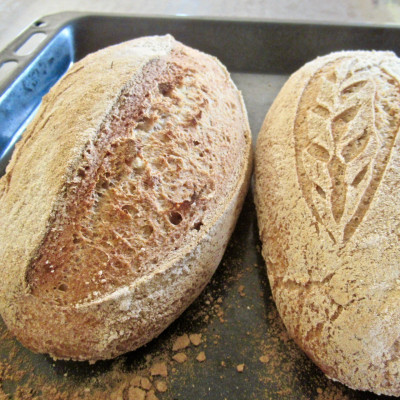
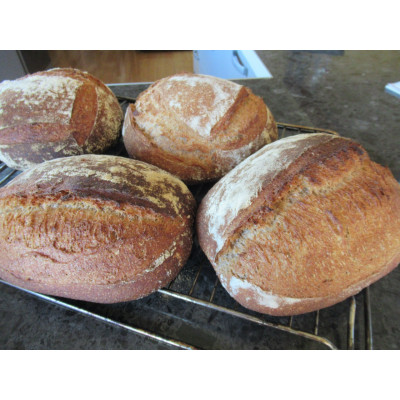
Learn how to make artisan sourdough bread successfully at home.
Please note that this workshop uses our rye sourdough starter and wheat, spelt and rye flours in the finished products.
For our gluten-free sourdough workshop please go here.
Date to be confirmed.
Time: 10am - 3pm
Lunch and some afternoon tea is included!
We started our sourdough bread baking journey 15 years ago and now bake a large variety of breads and sweet treats for our family and friends.
You will walk away with a recipe booklet and a free rye sourdough starter (valued at $19.90).
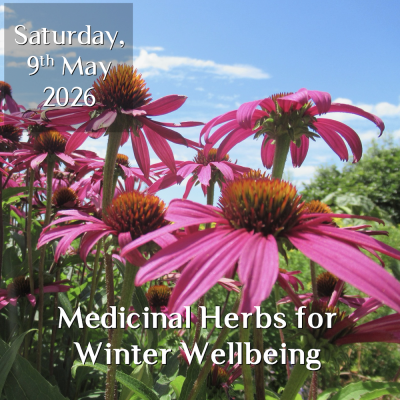
In this workshop you will learn about a range of wild and cultivated medicinal herbs with antiviral and antimicrobial properties to boost immunity for the coming winter months. You will also create a unique herbal winter tea, a foot soak and an inhalation blend.
Next date: to be confirmed
Time: 10pm - 2:30pm
Location: KoruKai Herb Farm, Pigeon Bay, Banks Peninsula
Please find Terms & Conditions as well as our cancellation policy here. When signing up for this workshop, you automatically agree to the Terms & Conditions. Please make sure to read them.
We are not offering this workshop at the moment as we have put together an amazing online composting workshop, which is much more comprehensive than what we can teach in a day on the farm. The videos make you think you have actually been here and are so engaging that you won't miss a thing.
You can also go back again and again to watch content and ask questions! We are here to help.
Please book our Online Compost Workshop instead.
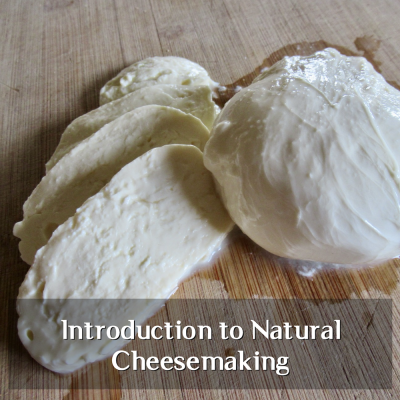
An introductory hands-on workshop exploring the art and philosophy of natural cheese making. Learn the foundations of traditional methods, gain practical skills, and leave confident to begin your own home cheese-making journey.
Held at KoruKai Herb Farm, Pigeon Bay, Banks Peninsula (just 1 hour from Halswell), with optional carpooling from Christchurch often available.
Time: 10:00am – 3:30pm
Date: To be confirmed
Lunch included
Accommodation options are available in Pigeon Bay, surrounding bays, and Akaroa.
This is a small, intimate workshop (maximum 8 participants) and is very popular—early booking is highly recommended as spaces always fill quickly.
Price includes a delicious, healthy and nourishing lunch, an informative booklet and a healing salve.
Next date to be confirmed! Sign up below to get an email once we have set a new date.
Time: 10am - 3pm
Location: Pigeon Bay waterfront, Banks Peninsula
1 hour 20 minutes from Halswell, Carpooling from Chch is usually possible.
Accommodation options in Pigeon Bay, surrounding bays and Akaroa
Please find Terms & Conditions as well as our cancellation policy here. When signing up for this workshop you automatically agree to the Terms & Conditions. Please make sure to read them.
Guided Farm & Garden Tour
Date: To be confirmed for 2026
Time: 1:00–4:00pm
Location: KoruKai Herb Farm
Children under 12 are welcome to attend free of charge with adult supervision. Please let us know if you will be bringing children under 12 years of age.
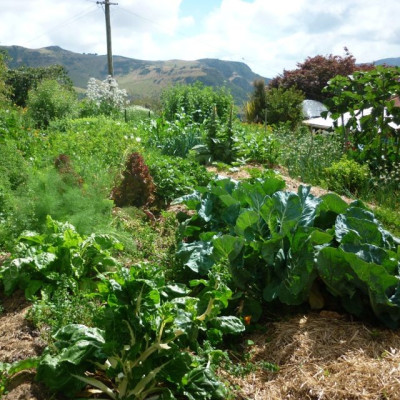
Join us for a guided tour of KoruKai Herb Farm and gain insight into the work we do to cultivate healthy land, food, and ecosystems.
The tour includes aspects of:
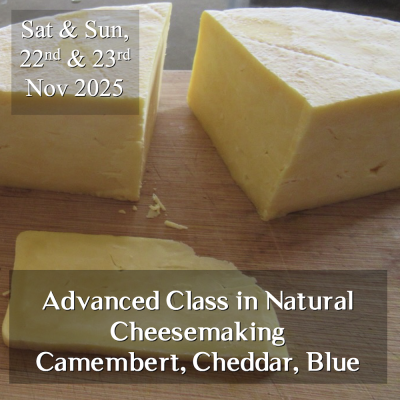
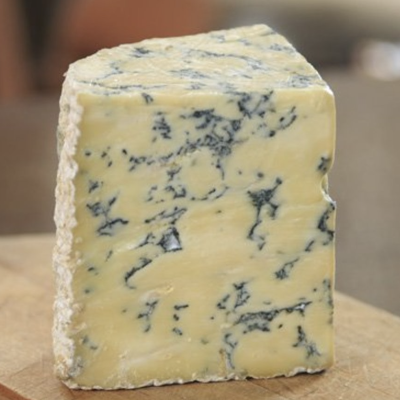
We are so excited to bring to you an advanced class in natural cheese making. In this two-day workshop you will learn how to make a variety of aged, natural cheeses. We will be making Camembert, Cheddar and Stilton - an English blue cheese.
It is best if you have some basic understanding of natural cheese making, have worked with David Asher's recipes or have attended our Introduction to Natural Cheese making workshop.
Next date to be confirmed!
Time: 10am - 3pm on Saturday and 9:30-3pm on Sunday
Location: KoruKai Herb Farm, Pigeon Bay, Banks Peninsula
1 hour from Halswell, Carpooling from Chch usually possible.
Accommodation options in Pigeon Bay, surrounding bays and Akaroa. A participant from Okains Bay has some budget accommodation. Get in touch for details.