- On sale!
- -$1.00


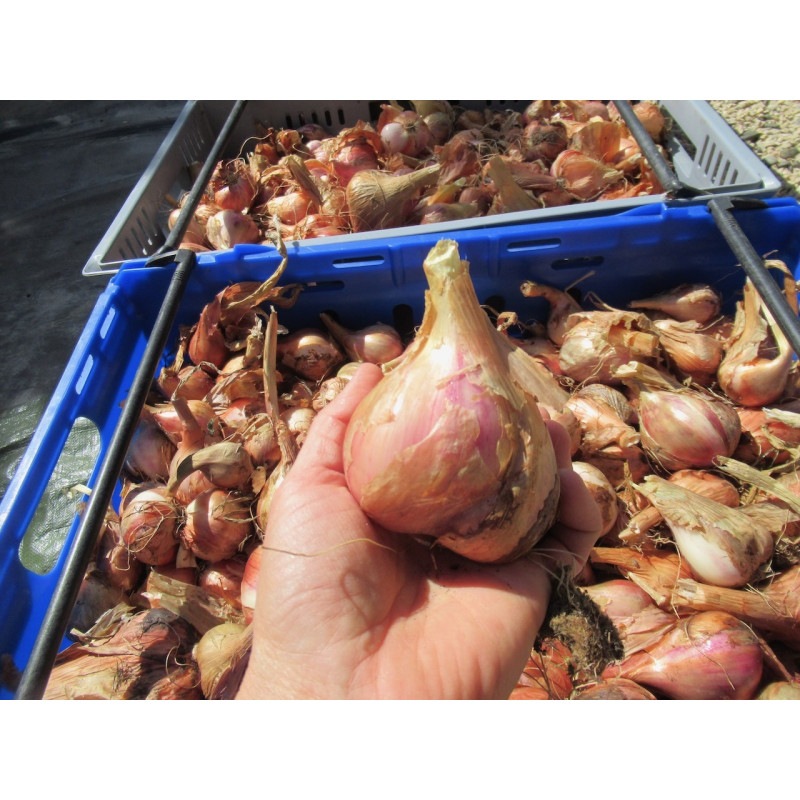

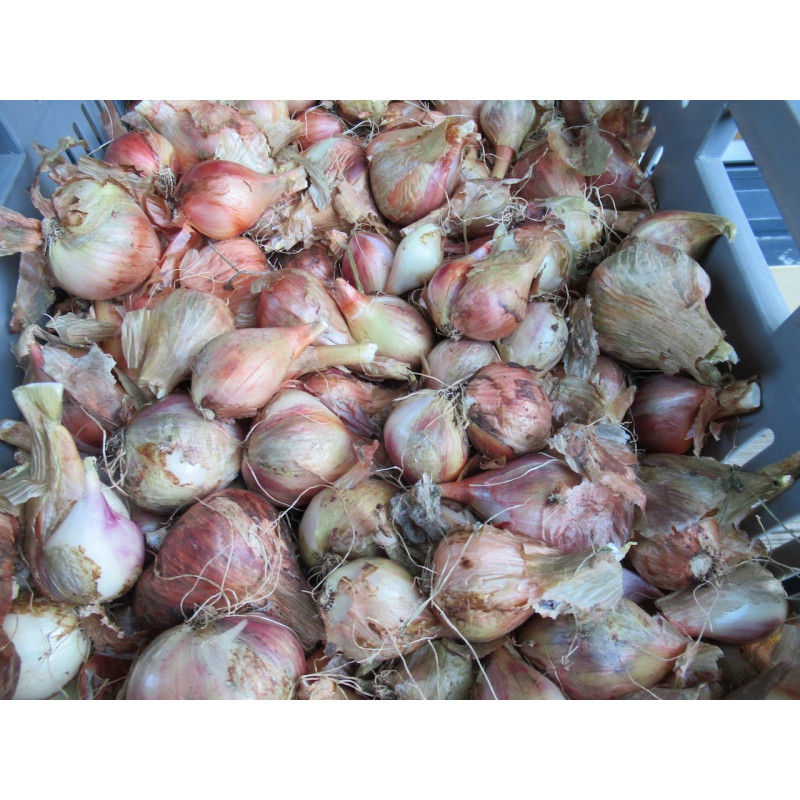



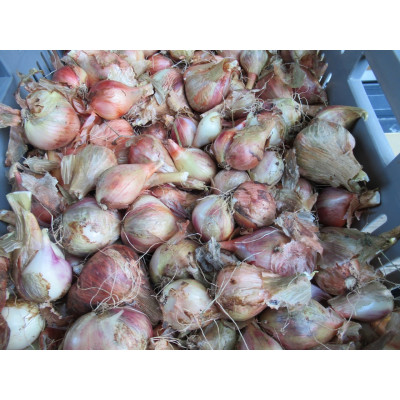

Egyptian Walking Onions are a hardy, perennial “plant once and harvest for years” onion that keeps on giving season after season. Also known as Tree Onions, Top Onions, or Winter Onions, they produce edible greens, small bulbs, and unique bulbils that replant themselves naturally—walking their way across your garden.
Incredibly easy to grow and highly productive, these resilient onions multiply year after year, making them a must-have for any edible garden, food forest, or self-sufficiency setup.
1 bag contains 10 bulbils/topsets.
 Security policy
Secure credit card, bank transfer or POLi payment!
 Delivery policy
Proudly support NZ Post/CourierPost!
 Return policy
We exchange or refund if you are not happy!

Guarantee safe & secure checkout
Egyptian Walking Onions—also known as Tree Onions, Top Onions, Winter Onions, or Perennial Onions—are a truly unique, hardy perennial onion that keeps on producing year after year with very little effort. As the botanical name Allium proliferum suggests, these are incredibly prolific plants that naturally multiply and “walk” their way through the garden as the bulbils replant themselves.
Unlike traditional onions grown from seed, these are far easier to establish and maintain, with a much higher success rate and none of the fiddly transplanting. Once planted, they become a reliable, self-perpetuating food source that can provide harvests for many years. The greens, small bulbs, and bulbils are all edible, making them a versatile and productive addition to any vegetable garden or food forest.
Each bag contains 10 bulbils/topsets. A single bulbil, in good growing conditions, can produce 2–4 medium-sized onions in its first season.
Plant your bulbils between mid-April and mid-September (depending on your local climate) in a well-drained, fertile soil in full sun. We recommend planting the bulbils as soon as you receive them from us as they can perish in storage.
Before planting, enrich your soil with well-rotted manure, buried Bokashi scraps, or compost, and apply a generous layer of mature compost or vermicast to build fertility and support strong growth.
Plant bulbils just below the soil surface, spacing them approximately 17cm apart. After planting, apply a thin layer of mulch using materials such as woodchips, autumn leaves, seaweed, or straw. In early stages, it is recommended to cover the bed with bird netting, as birds can sometimes disturb newly planted bulbils.
Water and weed regularly, particularly during spring and summer growth. Add additional mulch in spring around the plants to conserve moisture and support strong bulb development through the warmer months.
Harvest typically occurs at the end of summer, depending on your climate—generally between early January and mid-March.
To maintain your planting stock, keep the largest bulbils from the flower heads for replanting the following season. In some cases, bulbils may not form; if this happens, you can replant smaller onions from the cluster to continue your crop.
If your goal is to grow larger onions, remove flower stalks as they appear to redirect energy into bulb development. However, be sure to leave some plants to flower so they can produce bulbils for future planting.
A highly productive, self-sustaining onion system—perfect for gardeners looking to build resilience, reduce inputs, and enjoy reliable harvests year after year.

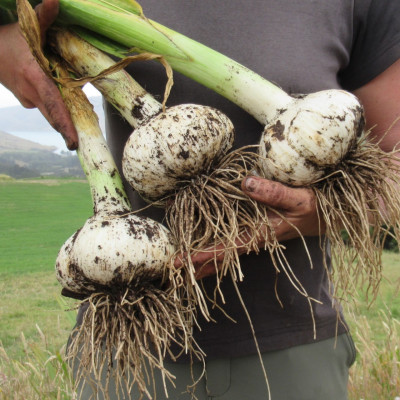
Above: The Egyptian walking onions just before harvesting. With a great amount and size of bulbils for seeds for next season.
Above: Well developed topsets.
Above: One topset grew this cluster of onions.
We absolutely love these onions because they are so much easier and more reliable than growing onions from seed. There is no fiddly transplanting, and the success rate is significantly higher. Once established, they become a dependable perennial food source, and the bulbs store well for up to 1 year in a cool, dry place.
At KoruKai Herb Farm, we started with just 8 bulbils 10 years ago. By the second year we were already harvesting around 70 bulbils, and now we grow enough onions to see us through the entire year. We use them in almost every meal! In one planting example, we planted 175 bulbils in May 2018 and harvested 25kg of onions by February 2019, demonstrating just how productive they can become over time.
Onions have long been valued both as a food and as a traditional herbal plant. Regular consumption of onions is associated with a range of supportive effects on overall health, and they share many beneficial compounds with garlic, which is why they are often used in similar ways.
Traditionally, onions have been used to support cardiovascular health. They are known for their ability to support healthy circulation and may assist in maintaining healthy blood flow and lipid balance. Onions have also been used in traditional herbal practices to support conditions such as high blood pressure, poor circulation, and general cardiovascular wellness.
Beyond heart health, onions are also widely recognised for their natural anti-inflammatory, antimicrobial, and immune-supporting properties. They have traditionally been used to help the body deal with infections, including fungal conditions such as athlete’s foot, as well as seasonal respiratory issues like colds, coughs, and congestion.
Onions are also valued in traditional use for their broad antimicrobial activity and have been used in various cultures to support the body during minor infections and general immune challenges.
For best nutritional and traditional benefit, onions are ideally eaten raw or lightly cooked to preserve their active compounds. They can also be infused into broths and soups, where their flavour and beneficial properties are easily absorbed.
As with all strong herbal foods, those taking blood-thinning medication or preparing for surgery should seek professional advice before consuming large medicinal quantities.
Otherwise, these are a wonderfully versatile, nourishing, and resilient food plant—something you can truly enjoy freely and often in everyday cooking.
Ingredients: 10 bulbils/topsets
My new walking onions are sprouting nicely.
Walking onions are taking off!
These were my best purchase in 2023! Such amazing crop from the 20 topsets I bought. I can now replant 60 topsets and will also replant some smaller onions to see how they go. I have a big bag of close to 100 onions.
They are an amazing crop with a very high yield.
I bought these in 2022 and got 153 onions (divided) from 10 bulbs! I've used some of the smaller bulbs to plant again this year. Really impressed on how easy they were to grow
I bought and planted these last year and they have multiplied considerably. I have split and replanted some, used some and still have more to split or use.<br /> Like the other person who reviewed these, I have not had the bulbils form at the top and "walk" yet.
I know I have had these for a year now but they are fabulous. They haven't " walked" yet but I I haven't bought any onions since I harvested them. Thank you for fabulous organic plants
Available again in March/April 2027 — please sign up below to join the waiting list.
White Southern Softneck is a vigorous, reliable, and historically significant garlic variety that rewards growers with beautiful bulbs, excellent flavour, and strong garden performance year after year.
Organically grown at KoruKai Herb Farm, Banks Peninsula, New Zealand.
Our seed garlic is grown without chemical fertilisers, pesticides, herbicides, or fungicides, producing strong, healthy cloves ideal for home gardens and small-scale growing.
Demand for our organic seed garlic is high every year and stock always sells out quickly.
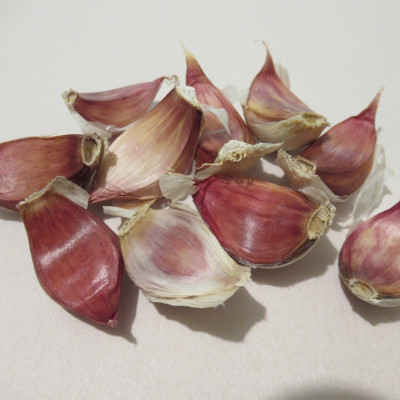
Each bag contains 10 seed garlic cloves as pictured. Please read the growing and storage information below and store cloves in a cool, dry place until planting time.
Available again in March/April 2027. Please sign up below to join the waiting list.
Elephant Garlic (Allium ampeloprasum)
Family: Alliaceae
Elephant Garlic is becoming increasingly popular for its large bulbs and mild, distinctive flavour. Easier to grow than true garlic, it produces reliable crops in a wide range of home gardens and is well suited to New Zealand conditions.
Each pack contains 3 seed cloves.
Organically grown at KoruKai Herb Farm without the use of chemical fertilisers, pesticides, herbicides, or fungicides.
Multiplying Leek (Allium ampeloprasum var. porrum)
Family: Amaryllidaceae
Multiplying Leeks are one of our favourite perennial vegetables at KoruKai Herb Farm. Exceptionally easy to grow, hardy, and highly productive, they require very little care while providing a reliable harvest throughout winter and well into spring—just when annual leeks are finishing for the season.
Unlike ordinary leeks, these perennial leeks multiply naturally by forming clumps of new plants each year. Individual stems grow to around thumb thickness, with a mild, sweet leek flavour that is perfect for soups, stews, stir-fries, quiches, and countless other dishes. Harvest what you need and leave the remaining plants to continue multiplying, creating an increasingly abundant patch year after year.
Your order includes a healthy starter clump of 3–4 young multiplying leeks, ready to establish quickly in your garden. Planting instructions and growing tips are provided below.
Available again in March/April 2027. Please sign up below to join the waiting list.
Elephant Garlic (Allium ampeloprasum)
Family: Alliaceae
Elephant Garlic is becoming increasingly popular for its large bulbs and mild, distinctive flavour. Easier to grow than true garlic, it produces reliable crops in a wide range of home gardens and is well suited to New Zealand conditions.
Each pack contains 3 seed cloves.
Organically grown at KoruKai Herb Farm without the use of chemical fertilisers, pesticides, herbicides, or fungicides.
Available again in March/April 2027 — please sign up below to join the waiting list.
White Southern Softneck is a vigorous, reliable, and historically significant garlic variety that rewards growers with beautiful bulbs, excellent flavour, and strong garden performance year after year.
Organically grown at KoruKai Herb Farm, Banks Peninsula, New Zealand.
Our seed garlic is grown without chemical fertilisers, pesticides, herbicides, or fungicides, producing strong, healthy cloves ideal for home gardens and small-scale growing.
Demand for our organic seed garlic is high every year and stock always sells out quickly.
Each bag contains 10 seed garlic cloves as pictured. Please read the growing and storage information below and store cloves in a cool, dry place until planting time.
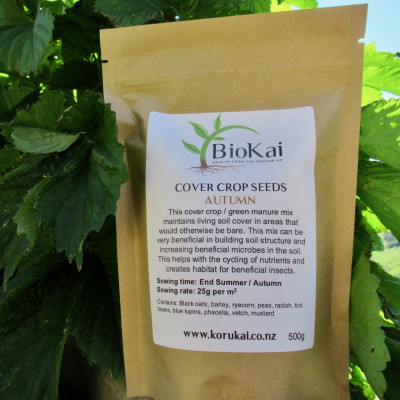
This cover crop seeds or green manure seeds mix has been blended to achieve maximum benefit. It can help with common challenges such as compaction, weed pressure, pests and diseases, low fertility, leaching and erosion.
Best sown between January/February and April/May, depending on your climate.
This diverse mix maintains living soil cover in areas that would otherwise be bare over winter. This mix contains seeds from 5 plant families as well as legumes (nitrogen fixing plants), which has been proven in field trials to be very beneficial to build soil structure and to increase beneficial microbes in the soil.
For spring sowing please see our Spring Mix.
Sowing rate: 25g per m2
Available in 500g (for 20 m2), 1kg (for 40 m2), 10kg (for 400 m2), 20kg (for 800 m2). Please select below.
This cover crop seeds or green manure seeds mix has been blended to achieve maximum benefit. It can help with common challenges such as compaction, weed pressure, pests and diseases, low fertility, leaching and erosion.
Best sown between August/September and December/January, depending on your climate.
This diverse mix maintains living soil cover in areas that would otherwise be bare. This mix contains seeds from 8 plant families as well as legumes (nitrogen fixing plants), which has been proven in field trials to be very beneficial to build soil structure and to increase beneficial microbes in the soil.
For autumn sowing please see our Autumn Mix.
Sowing rate: 25g per m2
Available in 500g (for 20 m2), 1kg (for 40 m2), 10kg (for 400 m2), 20kg (for 800 m2). Please select below.
Jerusalem Artichoke (Helianthus tuberosus)
Also known as Sunchoke or Sunroot
Jerusalem Artichoke is a hardy, highly productive perennial sunflower grown for its crisp, sweet, and nutritious underground tubers. Easy to grow and remarkably resilient, it produces abundant harvests year after year with very little maintenance, making it an excellent addition to kitchen gardens, food forests, and permaculture systems.
The tubers can be enjoyed raw, roasted, sautéed, mashed, or added to soups and stews. Their flavour is often described as a cross between water chestnuts, potato, and artichoke, with a pleasant nutty sweetness.
Each order contains three healthy planting tubers. Choose either three small or three large tubers using the options below.
Growing instructions, harvesting advice, and culinary uses can be found below.
This bush tomato is fantastic. No need to stake, no need to pinch out laterals. Very easy care and a prolific fruiter. Produces an abundance of fresh tomatoes for salads and cooking.
This is our favourite tomato to eat raw and for salads. Low in acidity and great flavour.
It produces orange, medium sized and round tomatoes.
This orange tomato contains higher levels of Tetra-cis-lycopene which is easily absorbed in the raw fruit and helps to promote health and fight against cancer and heart disease.
A fantastic cherry tomato. The plants are laden in summer. Riesentraube means "giant bunches".
Produces bunches of large red fruit with pointed ends.
Heirloom variety dating back to 1800's from Germany.
Good full bodied complex flavour.
Calendula (Calendula officinalis) seeds from our specially selected KoruKai Herb Farm collection.
Over many seasons, we have carefully selected and bred these plants for their vibrant deep-orange colour and large flower heads. Beautiful in the garden and excellent for making rich, nourishing calendula-infused oils and herbal preparations.
Chinese Artichoke / Crosnes (Stachys affinis)
Family: Lamiaceae
Chinese Artichokes, also known as Crosnes, are a delicious and unusual perennial root vegetable grown for their crisp, spiralled white tubers. Easy to grow and highly productive, they return year after year, producing abundant harvests from late autumn through winter.
The distinctive tubers resemble tiny grubs but are a gourmet delicacy with a wonderfully unique texture. Eaten raw, they are crisp, juicy, and slightly sweet, with a flavour reminiscent of water chestnuts. Cooked, they become tender, creamy, and subtly nutty, somewhere between a young potato, kūmara, and Jerusalem artichoke. In France, where they are known as Crosnes, they are traditionally braised in butter and fresh herbs—a simple preparation that beautifully highlights their delicate flavour.
Your order includes a starter pack of approximately five healthy tubers, ready for planting. Once established, the plants gradually multiply underground, providing increasingly generous harvests each year.
Chinese Artichokes are hardy, frost tolerant, and winter dormant, making them an excellent perennial vegetable for New Zealand gardens. Growing instructions, harvesting advice, and culinary tips are provided below.