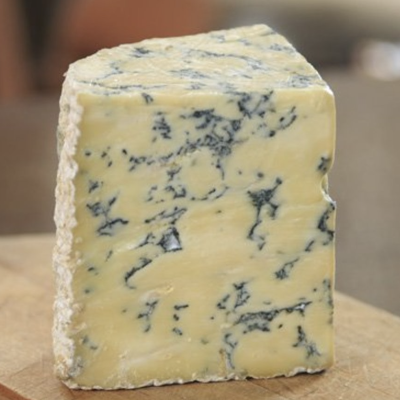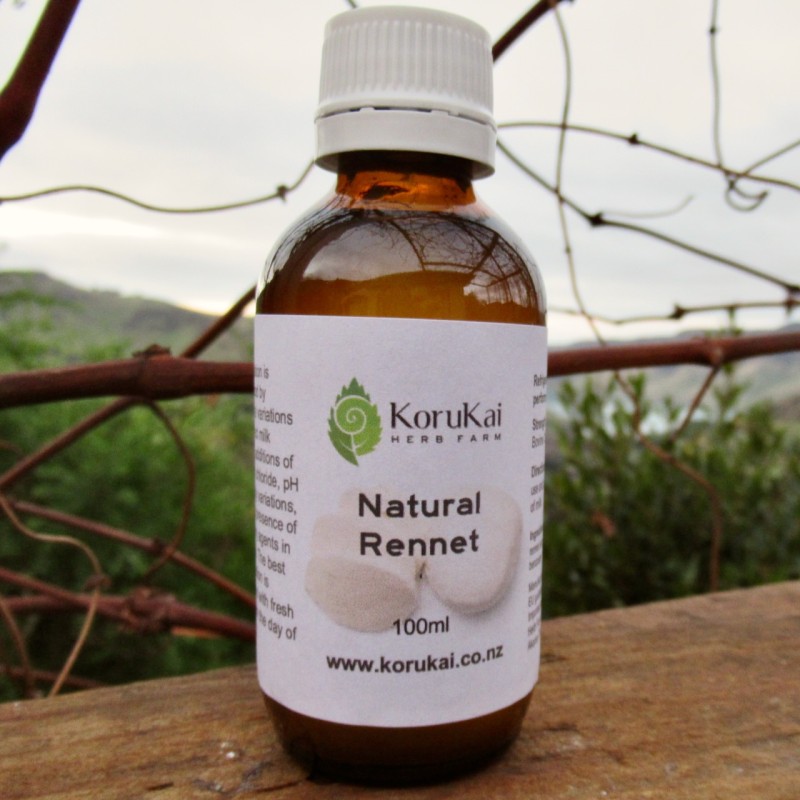

Whether you’re crafting cheese at home or producing at scale, we have the right rennet for you.
Fast and efficient shipment to any place in New Zealand and Australia!
Rennet makes cheese making easy and possible, from cottage cheese and mozzarella to cheddar, blue cheese, raclette, ice cream and traditional junket. For home cheesemakers as well as commercial producers, we have the right rennet for you.
Available sizes and strength:
100ml liquid, 65 IMCU: Use 7ml for 10 litre of milk. Coagulates approx. 140 litres
100ml liquid, 250 IMCU: Use 1.5 - 2ml for 10 litres of milk. Coagulates between 500 and 660 litres of milk
1 litre liquid, 250 IMCU: Use 1.5 - 2ml for 10 litres of milk. Coagulates between 5000 and 6600 litres of milk
100g powder, 1370 IMCU: Use 10g for 340 litres of milk. Coagulates approx. 3400 litres of milk
Bovine Chymosin content: 95%
Natural calf rennet as recommended by natural cheese maker David Asher.
Manufactured in Spain. GMO free.
 Security policy
Secure credit card, bank transfer or POLi payment!
 Delivery policy
Proudly support NZ Post/CourierPost!
 Return policy
We exchange or refund if you are not happy!

Guarantee safe & secure checkout
IMCU stands for International Milk Clotting Units. It measures how strong rennet is and gives you a guideline how much to use. The higher the number, the stronger the rennet and the less you need to use to clot the milk. Strong rennets are hard to measure for small batches of milk, therefore we offer a weaker one for home producers and stronger ones for commercial operators and people with their own dairy animals.
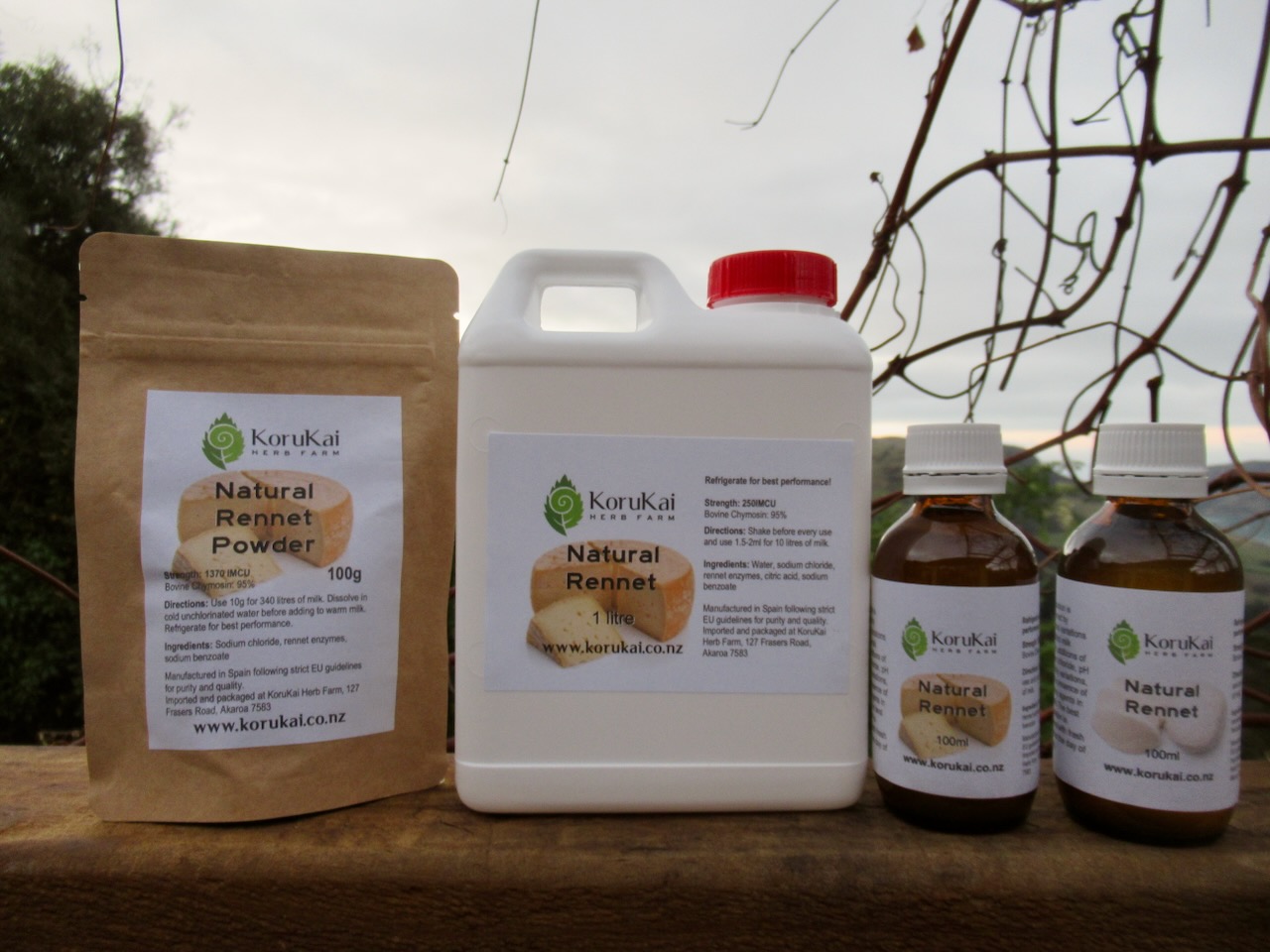
The 65 IMCU Rennet available in 100ml bottles is perfect for the home cheesemaker making batches of cheese with 1-10 litres of milk. It is great for junket, soft cheeses, mozzarella, string cheeses and cream cheeses as well as camembert, St Marcellin, valencay, and crottin.
The 250 IMCU Rennet is available in 100ml and 1 litre bottles. The 100ml bottles are for the more serious home cheesemaker with their own dairy animals, making batches of cheese with 10-50 litres of milk, whereas the 1 litre bottles are great for artisan producers. It is excellent to make wheels of cheddar, blues, Raclette, Tomme, Alpine cheeses, camembert and brie. It is also great for large batches of soft cheeses, mozzarella, string cheeses and cream cheeses.
The 1370 IMCU powder is highly concentrated and needs dissolving before adding it into milk. Use 10g for 340 litres of milk and dissolve in 100ml of cold, unchlorinted water before adding it into the warm milk. It dissolves easily and is a top choice for large batches of cheeses. One 100g bag coagulates 3400 litres of milk. Store bag in the fridge and never freeze it to not damage the enzymes. It is ideal for large producers within NZ and especially overseas (Australia and further) as the shipping is much less than the liquids. If you need larger quantities of 500g or more, please send us an email ([email protected]).
Rennet is exceptionally stable however storage under refrigeration of both the liquid and the powder is recommended.
Dilute rennet (both liquid and powdered) with 15-20 times its own volume of clean, cold water prior to adding it to the milk at 35 C (typically) to get a more even distribution of the enzyme. Dilution water must be free of all residual chlorine.
Store rennet in a cool (3-7 °C) and dark place.
Casein is a very nourishing and complex protein. It is bundled up in micelles, which makes milk free-flowing.
Chymosin enzyme in rennet dissolves envelope (micelle) on the outside of the casein protein, it basically gives it a haircut. It breaks the envelope of curled up casein micelles, so it is no more dissolved in milk. They link up and trap fat in this new network and the milk transforms. Only casein protein turns to curd.
Once the curd is cut, the curd slowly gives off whey due to continued activity of chymosin. The curd is sensitive to heat, agitation and acidity, which changes it, making it more solid and change faster.
We use this rennet for a wide range of cheeses, from soft Mozzarella, Halloumi, cream cheese, Faiselle, Camembert, Valencay to Alpine cheeses, Raclette, Tomme, Cheddar, Stilton and Roquefort.

Ingredients: salt (NaCl), rennet enzyme, citric acid, sodium benzoate
Fantastic product. Fast shipping to me in NSW Australia. Great customer service too.
This rennet works really well and lasts me for over a year of cheese making. It's great to know that it is all natural without GMOs and other nasties that most vegetarian rennet contains.
A must-have for cheesemaking and dairy fermentation.
This high-quality cheesecloth is made from certified organic cotton and is ideal for straining curds, making kefir cheese, yoghurt cheese, labneh, soft cheeses, and other cultured dairy products.
Reusable, washable, and free from synthetic fibres, it provides excellent drainage while remaining gentle on delicate curds.
Size: 1.5m × 1m
A great tool to measure rennet for cheese making.
3ml capacity in 0.5ml increments. Easy to use.
100ml capacity, 10ml increments starting at 20ml.
We find this beaker ideal to measure your natural mesophilic and thermophilic cheese making culture, where you will need 100ml for 10 litres of milk. With spout for easy pouring.
Measurements: 7cm high, 5cm diameter
100ml capacity, 10ml increments starting at 20ml.
We find this beaker ideal to measure your natural mesophilic and thermophilic cheese making culture, where you will need 100ml for 10 litres of milk. With spout for easy pouring.
Measurements: 7cm high, 5cm diameter
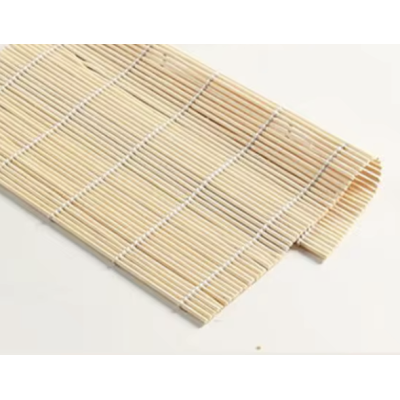
Bamboo mat suitable for natural cheese making and sushi making.
Can be cut to size to suit your container.
Measurements: 24cm x 24cm
A great tool to measure rennet for cheese making.
3ml capacity in 0.5ml increments. Easy to use.
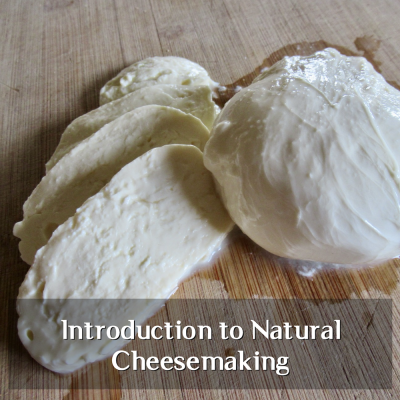
An introductory hands-on workshop exploring the art and philosophy of natural cheese making. Learn the foundations of traditional methods, gain practical skills, and leave confident to begin your own home cheese-making journey.
Held at KoruKai Herb Farm, Pigeon Bay, Banks Peninsula (just 1 hour from Halswell), with optional carpooling from Christchurch often available.
Time: 10:00am – 3:30pm
Date: To be confirmed
Lunch included
Accommodation options are available in Pigeon Bay, surrounding bays, and Akaroa.
This is a small, intimate workshop (maximum 8 participants) and is very popular—early booking is highly recommended as spaces always fill quickly.
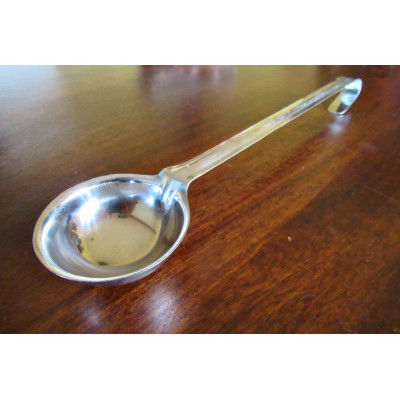
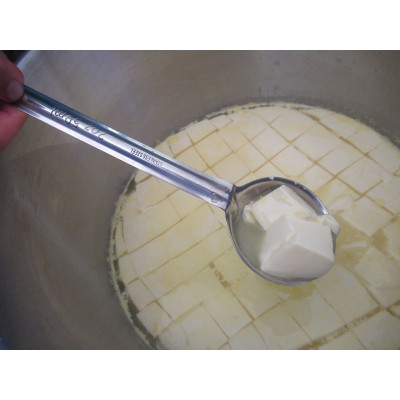
Many traditional French cheeses are "moulé à la louche", which means they have been ladled by hand. It stands for tradition, quality and hand-made products.
A carefully ladled cheese is more flavourful, retains more fat and has a great texture.
Ladle is one piece and has been modified to work well for making a range of traditional French cheeses.
The scoop size is 59ml and length is 32cm.
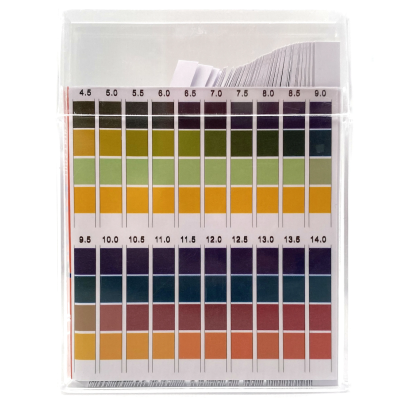
pH strips are a quick and easy way to check the acidification of your cheese and ferment.
In a lactic ferment and in cheese making beneficial microbes are underway to turn plant sugars and lactose into lactic acid.
This acidification can be measured and ensures your ferment or your cheese is on the right track.
For most cheeses timing of salting is really important; you want the fermentation to be just at the right acidity before you apply salt to slow it down.
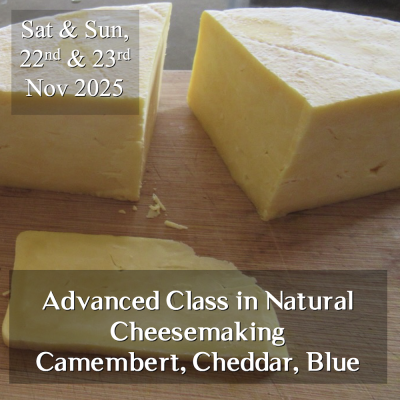
We are so excited to bring to you an advanced class in natural cheese making. In this two-day workshop you will learn how to make a variety of aged, natural cheeses. We will be making Camembert, Cheddar and Stilton - an English blue cheese.
It is best if you have some basic understanding of natural cheese making, have worked with David Asher's recipes or have attended our Introduction to Natural Cheese making workshop.
Next date to be confirmed!
Time: 10am - 3pm on Saturday and 9:30-3pm on Sunday
Location: KoruKai Herb Farm, Pigeon Bay, Banks Peninsula
1 hour from Halswell, Carpooling from Chch usually possible.
Accommodation options in Pigeon Bay, surrounding bays and Akaroa. A participant from Okains Bay has some budget accommodation. Get in touch for details.
A must-have for cheesemaking and dairy fermentation.
This high-quality cheesecloth is made from certified organic cotton and is ideal for straining curds, making kefir cheese, yoghurt cheese, labneh, soft cheeses, and other cultured dairy products.
Reusable, washable, and free from synthetic fibres, it provides excellent drainage while remaining gentle on delicate curds.
Size: 1.5m × 1m